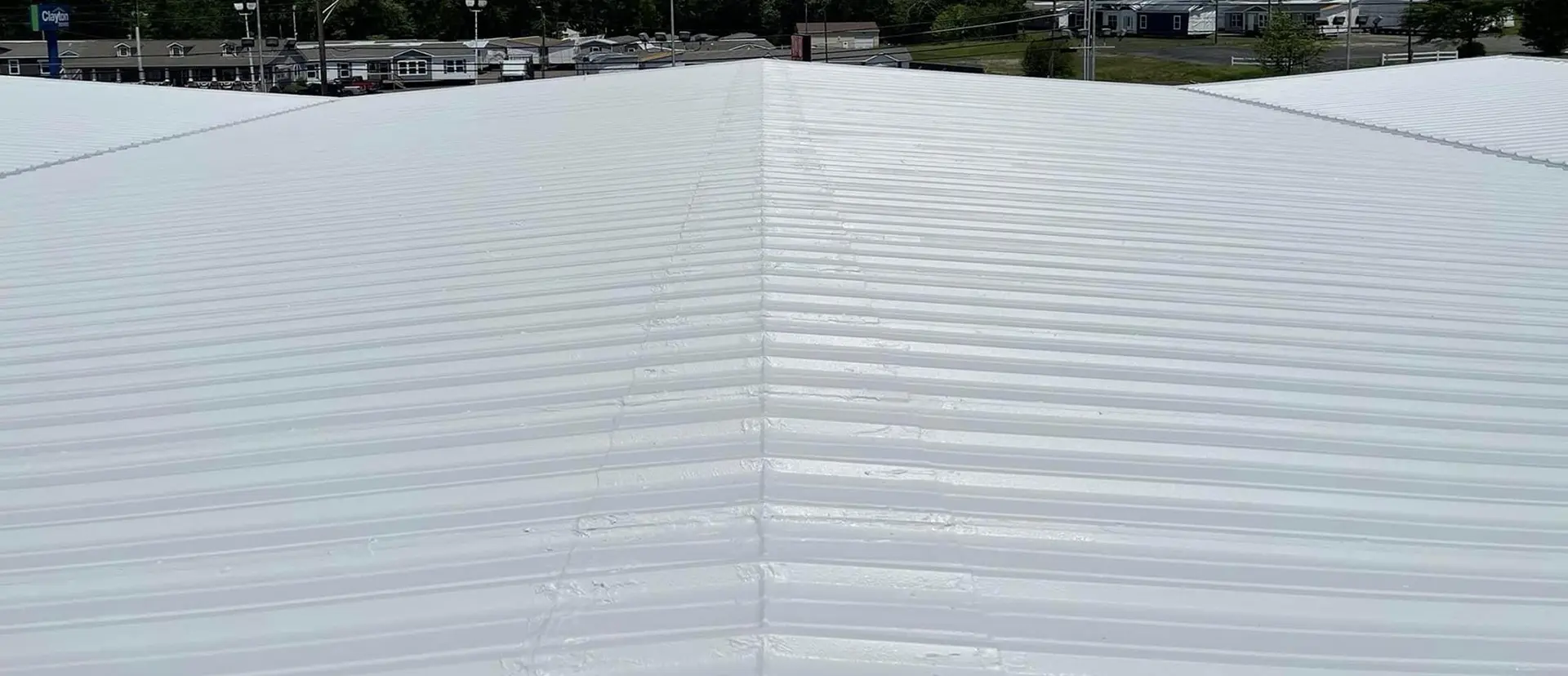
In a climate like Minot, ND, where winters are long, winds are strong, and temperatures can swing dramatically, building efficiency becomes a major concern for commercial property owners. One increasingly popular solution is spray foam insulation, a high-performance material that helps regulate indoor temperatures, reduce energy loss, and improve overall building durability.
For businesses in Minot, ND looking to upgrade insulation performance, Hi-Line Commercial Roofing can be reached at 701-621-0511 to evaluate whether spray foam insulation is the right fit for their facility.
Spray foam insulation has grown in popularity across industrial and commercial sectors because it provides both insulation and air sealing in a single application. However, its effectiveness depends heavily on where and how it is used.
Why Spray Foam Insulation Makes Sense
Spray foam insulation is a chemical-based material that expands upon application, forming a dense, continuous barrier across surfaces. It is typically applied as either open-cell or closed-cell foam, each with distinct performance characteristics.
Open-Cell Spray Foam
Open-cell foam is lighter and more flexible. It expands significantly after application, filling gaps, and cavities effectively. While it provides good insulation and sound dampening, it is less resistant to moisture.
Closed-Cell Spray Foam
Closed-cell foam is denser and more rigid. It offers higher insulation values per inch and acts as both an air and moisture barrier. This makes it especially useful in harsh climates like Minot, ND, where moisture control and thermal resistance are critical.
Air Sealing Advantage
Unlike traditional insulation materials, spray foam expands to fill cracks, seams, and voids. This reduces air leakage, which is one of the leading causes of energy loss in commercial buildings.
By creating a continuous barrier, spray foam improves both energy efficiency and indoor comfort while reducing strain on HVAC systems.
Where Spray Foam Insulation Delivers the Most Value

Spray foam insulation is not a one-size-fits-all solution. It performs best in specific areas of a building where air leakage, temperature fluctuation, or moisture intrusion is most common.
Roofing and Attic Systems
One of the most effective uses of spray foam insulation is in roof assemblies. In commercial buildings, heat often escapes through the roof structure. Applying spray foam beneath or within roofing systems helps stabilize interior temperatures and reduce heating costs during harsh winters.
Metal Buildings and Warehouses
Metal structures are highly susceptible to condensation and temperature swings. Spray foam insulation helps regulate interior climate and prevents moisture buildup that can lead to corrosion or mold growth.
Walls and Building Envelopes
Exterior walls benefit significantly from spray foam because it seals gaps that traditional insulation materials may miss. This improves overall building envelope performance and reduces drafts.
Cold Storage and Specialized Facilities
Facilities requiring strict temperature control, such as food storage or manufacturing environments, rely on spray foam to maintain consistent internal conditions and reduce energy consumption.
These applications demonstrate how versatile spray foam insulation can be, when properly installed in the right environments.
Energy Efficiency and Long-Term Cost Savings
One of the primary reasons commercial building owners invest in spray foam insulation is its impact on long-term operational costs. While the upfront installation cost may be higher than traditional insulation, the return on investment is often substantial.
Reduced Heating and Cooling Costs
By minimizing air leakage, spray foam reduces the workload on HVAC systems. This leads to lower monthly energy bills, especially in regions like Minot, ND where heating demand is high.
Improved Building Longevity
Spray foam helps protect structural components by reducing moisture infiltration and temperature-related stress. This can extend the lifespan of roofing and wall systems.
Enhanced Indoor Comfort
Consistent indoor temperatures improve working conditions for employees and protect temperature-sensitive equipment or inventory.
Over time, these benefits contribute to lower operational expenses and improved building performance.
Spray Foam Insulation Experts
For commercial property owners in Minot, ND, investing in spray foam insulation can be a strategic way to improve energy efficiency, reduce operational costs, and enhance building performance. In a demanding climate, proper insulation plays a critical role in long-term facility management.
Businesses in Minot, ND can contact Hi-Line Commercial Roofing at 701-621-0511 to learn more about how spray foam insulation can be applied to improve their building’s efficiency and durability.
FAQ
What makes spray foam insulation different from traditional insulation?
It expands to fill gaps and creates an air-tight seal, unlike fiberglass or cellulose which can leave spaces.
Can spray foam insulation help reduce energy bills?
Yes, it significantly reduces air leakage, lowering heating, and cooling costs over time.
Is spray foam insulation suitable for commercial roofs?
Yes, it is commonly used in commercial roofing systems to improve insulation and moisture resistance.