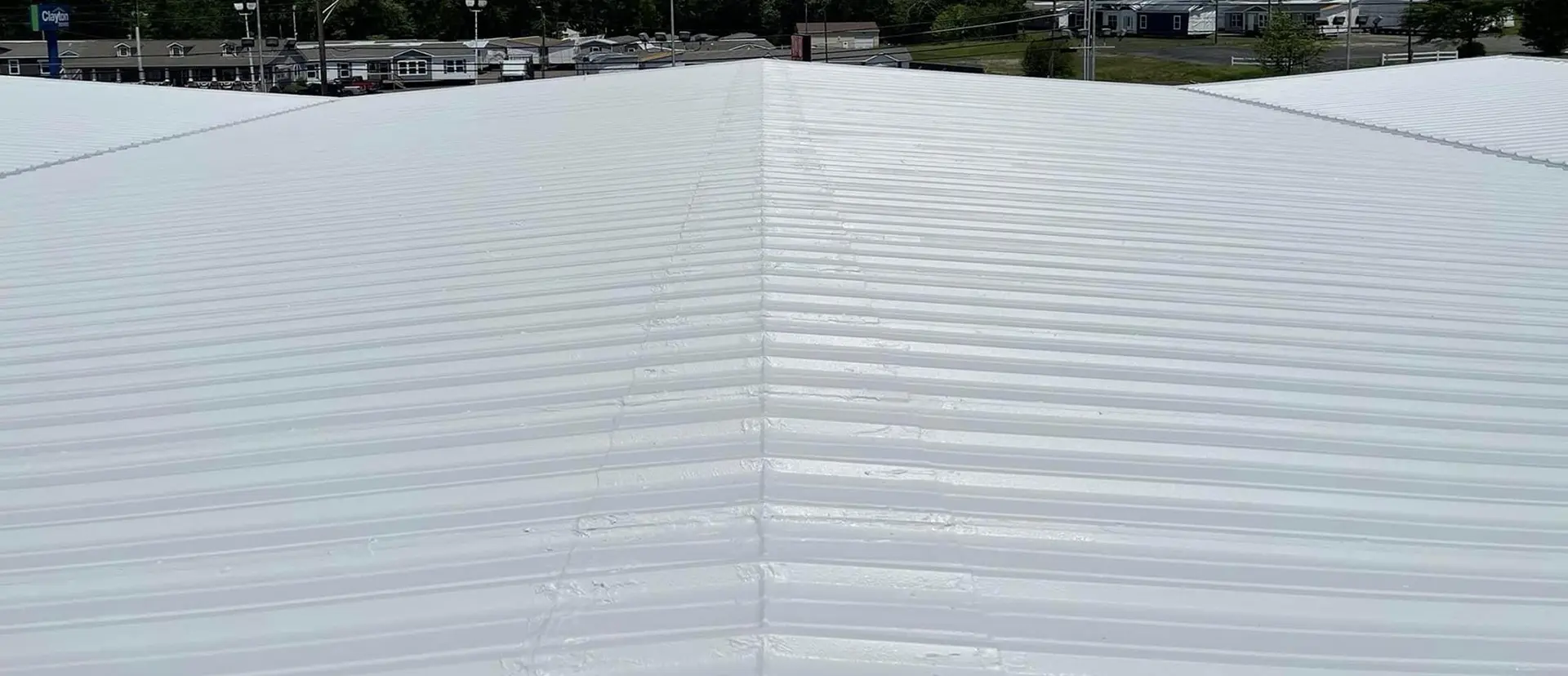

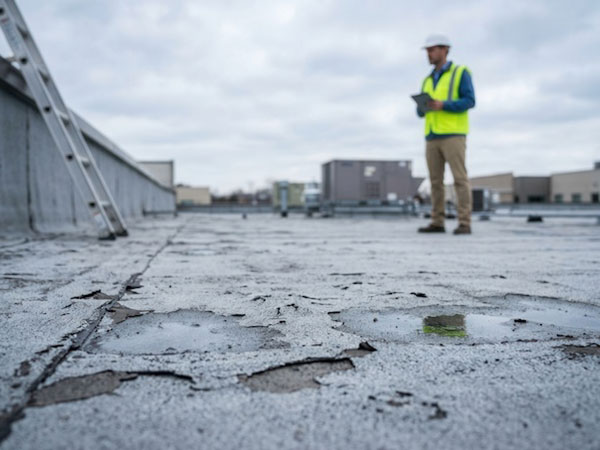
A professional roof inspection gives Minot, ND building owners a clear understanding of their roofing system, including areas that cannot be properly evaluated from the ground. Regular inspections are particularly valuable before and after North Dakota winters because seasonal weather can change roof conditions significantly. Commercial roof inspections provide a documented assessment of membranes, seams, flashing, drainage components, and other critical roofing areas. Call Hi-Line Commercial Roofing at (701) 621-0511 for commercial roof inspections in Minot, ND.
Commercial Roof Inspections Reveal the Roof’s Full Condition
A professional inspection examines much more than the general appearance of a commercial roof. The membrane surface is evaluated for blistering, punctures, erosion, ultraviolet oxidation, brittleness, and early cracking that could indicate developing deterioration.
Seams and lap edges also receive close attention. Inspectors look for lifting, separation, or adhesion problems that could eventually allow moisture to reach the roofing assembly. Flashing around pipes, HVAC equipment, vents, curbs, and perimeter transitions is examined for deteriorating sealant and other weaknesses.
Drainage components are another important part of the evaluation. Drains and scuppers are checked for blockages and deterioration around their collars and surrounding membrane. Low areas where water regularly collects can also be identified and documented.
Together, these observations provide a detailed picture of roof conditions that a ground level assessment or casual walk across the roof cannot provide.
Professional Inspections Identify Problems Early
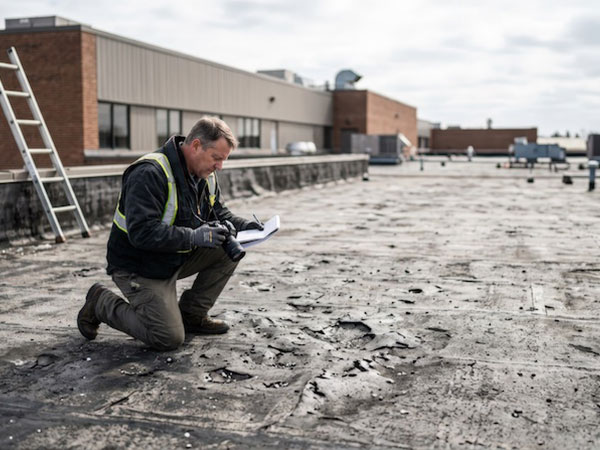
Scheduled inspections allow building owners to identify roofing concerns while they are still localized. A small seam opening, deteriorating flashing detail, or membrane puncture may not immediately produce obvious symptoms inside the building, but an inspector can identify these conditions during a systematic evaluation.
Finding a problem during an inspection gives the building owner an opportunity to respond before moisture moves farther into the roof assembly. Targeted repairs can address the affected area and restore protection while the concern remains limited.
Inspection findings also provide directions for maintenance. Instead of relying on assumptions about which portions of a roof need attention, property managers can use documented observations to prioritize specific areas and understand why particular work has been recommended.
Seasonal Inspections Support Minot Roof Performance
Minot’s climate creates two natural times for professional commercial roof inspections. A spring inspection after snowmelt reveals how the roofing system performed through winter and identifies conditions that may have changed during months of freezing temperatures, snow accumulation, and ice.
Freeze and thaw cycles can affect marginal seams, while ice accumulation may place stress on perimeter flashing and edge details. Melting snow also tests drainage systems, making spring a useful time to identify blocked drains, deteriorated drainage areas, and low spots where water remains on the roof.
A fall inspection serves a different purpose. Before temperatures drop, the roof can be evaluated for vulnerable seams, flashing, drainage problems, and other conditions that should receive attention before winter. Drains can also be cleared so melting snow and precipitation have an open path away from the roof.
For Minot properties, scheduling inspections in spring and fall aligns professional evaluation with the seasons when roof conditions are most likely to change.
Inspection Documentation Creates a Useful Roof History
Professional inspections create records that can help building owners track how a roofing system changes over time. Photographs and written descriptions establish what inspectors observed, where concerns were located, and what corrective work was recommended or completed.
This documentation can make future inspections more informative because current conditions can be compared with previous findings. Property managers can see whether specific areas remain stable or require additional attention.
Records may also support roofing warranty requirements. Many membrane warranties require documented professional inspections at defined intervals. Maintaining inspection records and responding promptly to identify issues can demonstrate that the roof has received the required attention throughout its service life.
Schedule Commercial Roof Inspections in Minot
Regular roof inspections give property owners better information for maintenance decisions, identify developing conditions, and create an ongoing record of roof performance. In Minot, spring and fall evaluations provide particularly useful opportunities to assess the effects of winter and prepare the roofing system for the next freeze season.
For commercial roof inspections in Minot, ND contact Hi-Line Commercial Roofing at (701) 621-0511 today.
FAQ
What does a commercial roof inspection actually look for?
An inspection evaluates the membrane surface, seams, flashing, penetrations, perimeter details, drains, scuppers, and areas where water collects. Inspectors document deterioration, separation, punctures, drainage concerns, and other conditions that may require attention.
How often should a commercial roof be professionally inspected in North Dakota?
Twice yearly is a useful baseline, with one inspection after spring snowmelt and another before fall freeze-up. Additional inspections may be appropriate following severe weather or other events that could affect the roofing system.
What happens if an inspection finds a roofing problem?
The contractor can document the condition with photographs and a written description, explain the recommended response, and identify which areas should receive attention. This gives the building owner clear information for authorizing and documenting appropriate corrective work.