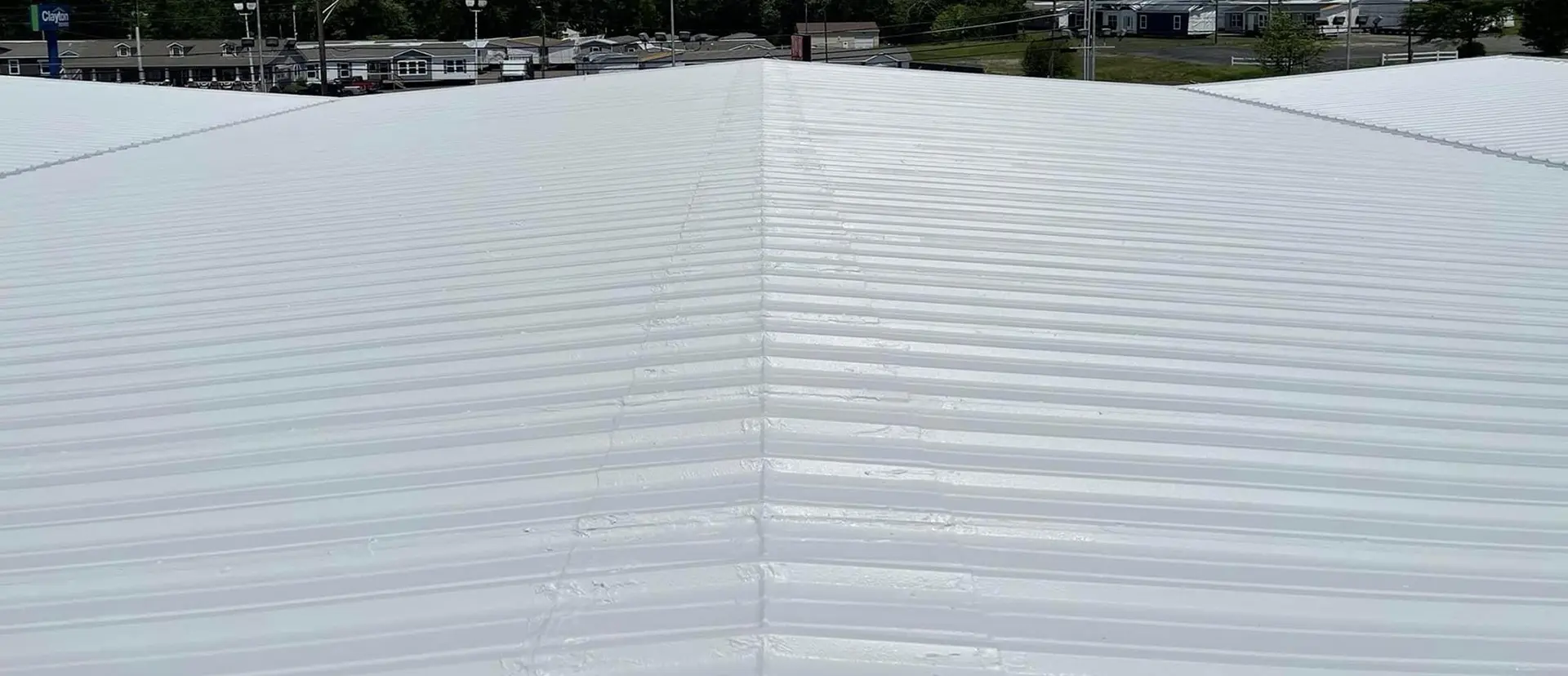

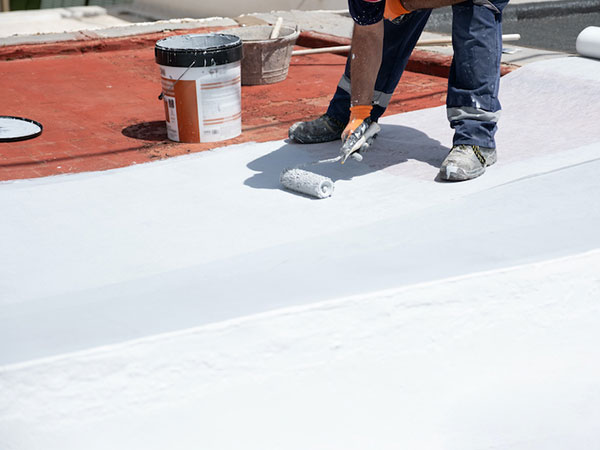
Flat roofs in Minot, ND face demanding conditions throughout the year, especially when moisture enters small openings before winter temperatures arrive. Minor sealing problems can develop into leaks, damaged insulation, and accelerated membrane deterioration as repeated freezing and thawing widens vulnerable areas. Flat roof sealing helps protect commercial roofing systems by closing potential water entry points and restoring a weather tight surface. Call Hi-Line Commercial Roofing at (701) 621-0511 for flat roof sealing in Minot, ND.
Small Openings Can Lead to Serious Water Infiltration
A flat roof depends on properly sealed transitions to prevent water from reaching materials beneath the membrane. Pipe penetrations, HVAC curbs, vents, perimeter terminations, seams, drains, and scuppers are particularly vulnerable because these areas involve changes or interruptions in the roofing surface.
As sealants age, they can harden, crack, separate, or lose adhesion. Water may then enter through openings that initially appear insignificant. Once moisture gets beneath the membrane, the problem becomes harder to identify because water can travel through the roofing assembly before appearing inside the building.
Proper sealing addresses these weaknesses at their source. Depending on the roof system and existing materials, a contractor may use compatible elastomeric sealants, reinforced fabric embedded in sealant, preformed penetration components, or other appropriate methods. Compatibility matters because sealing products must work with the existing membrane to provide dependable adhesion and protection.
Flat Roof Sealing Protects Insulation from Moisture
Water that moves past the membrane can reach the insulation below. Wet insulation loses thermal efficiency and may remain damp long after the original weather event has passed. Continued moisture exposure can also create conditions that support biological growth and increase the weight within the roofing assembly.
The problem becomes more concerning during Minot winters. Moisture that enters the roof during fall can freeze within the insulation or between roofing components. As that water turns to ice and expands, it can physically enlarge the opening that originally allowed moisture inside. A small weakness can therefore become a larger source of infiltration by spring.
Restoring deteriorated sealing details helps interrupt this cycle. A professional inspection can identify failed sealants, open seams, vulnerable penetrations, and other locations where water may be entering. Correcting those areas before another freeze and thaw cycle helps protect both the membrane and underlying insulation.
Aging Membranes Need More Than Spot Repairs
Not every sealing problem is limited to a penetration or seam. Long term ultraviolet exposure and weathering can cause the exposed membrane surface to become oxidized, brittle, or eroded. Ponding water can place additional stress on already deteriorated areas.
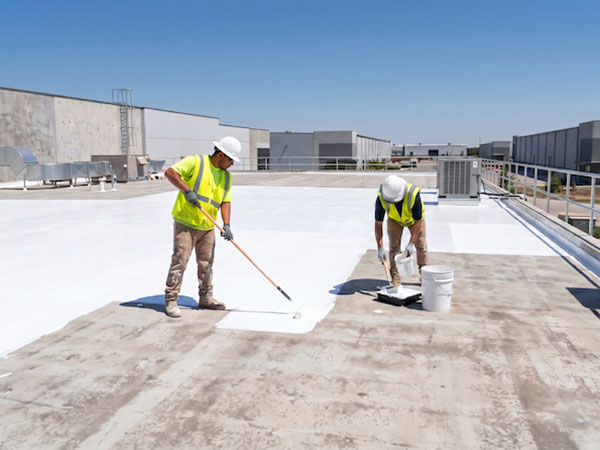
When deterioration affects a broader portion of the membrane, sealing only individual details may leave the roof field exposed. A fluid applied coating may be appropriate when the existing roofing system is a suitable candidate. Acrylic, silicone, and polyurethane coatings are examples of materials that can create a continuous waterproof layer across the roof surface.
Before a coating is applied, existing conditions must be evaluated and necessary preparation completed. The coating must also be compatible with the underlying roof material. When properly selected and applied, a full surface system protects the membrane field while sealing vulnerable transitions and repaired areas.
Recurring Leaks Can Signal Failed Sealing Details
Interior leaks that repeatedly appear in the same area may indicate that previous work addressed the visible symptom without resolving the actual entry point. Ceiling stains, damaged finishes, and moisture along walls can all develop after water has already moved through the roof assembly.
A qualified inspection focuses on tracing the moisture to its source. The roof can then be evaluated for cracked sealant, deteriorated seam edges, penetration problems, membrane wear, and drainage related concerns.
This approach allows sealing work to target the conditions responsible for infiltration. Addressing the source can reduce repeated leak repairs while helping prevent moisture from continuing to affect insulation and other roofing components.
Restore a Weather Tight Flat Roof
Effective sealing brings individual roof details and the broader membrane surface together as one protective system. Regular inspections can help building owners identify deteriorating sealants and surface wear before another season of moisture and freezing temperatures makes the damage worse.
For flat roof sealing in Minot, ND contact Hi-Line Commercial Roofing at (701) 621-0511 today.
FAQ
What happens to a flat roof that has not been properly sealed?
Water can enter through deteriorated seams, penetrations, perimeter details, or an aging membrane. Moisture may then affect insulation and interior finishes. In cold weather, trapped water can freeze and expand, potentially widening the original opening.
What areas should be addressed during flat roof sealing?
A sealing program may address pipe and equipment penetrations, seam and lap edges, perimeter terminations, drain collars, scuppers, and deteriorated membrane surfaces. The appropriate materials and methods depend on the existing roof system and its condition.
How do I know when flat roof sealing needs attention?
Visible cracking or separation around sealant, recurring leaks, brittle or oxidized membrane surfaces, and deterioration around ponding areas can indicate a need for service. Annual inspections, particularly after spring snowmelt, can help identify developing problems.