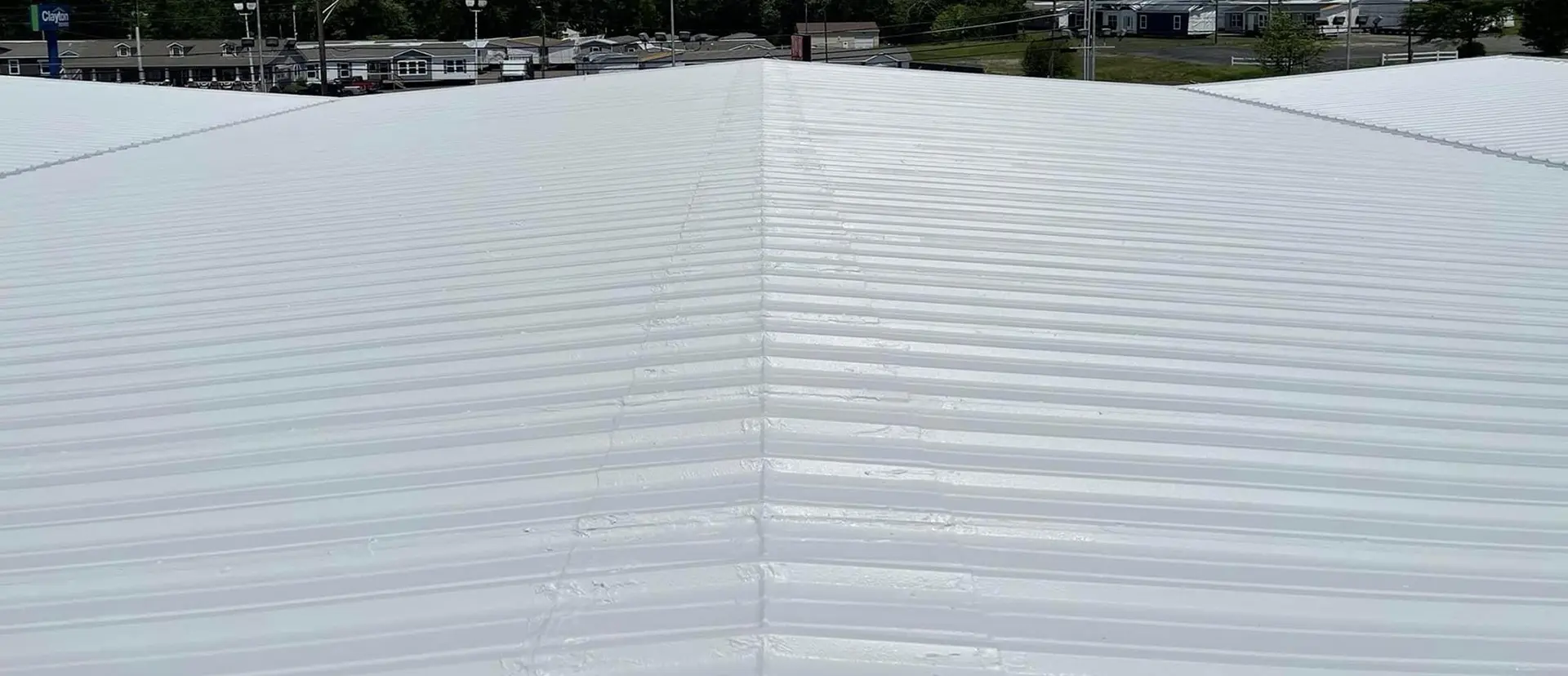

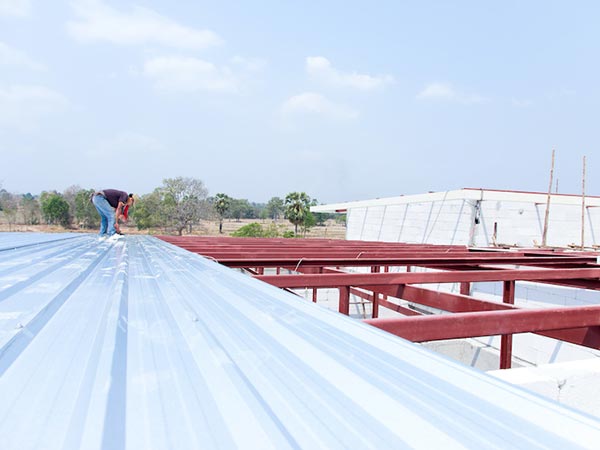
Commercial buildings in Minot, ND face demanding weather throughout the year, including heavy snow, high winds, hail, freeze-thaw cycles, and significant temperature changes. These conditions require a roofing system designed to maintain reliable protection through repeated seasonal exposure. A standing seam metal roof offers the durability and weather resistance needed to perform well in North Dakota’s challenging climate.
Hi-Line Commercial Roofing handles standing seam metal roof projects in Minot, ND. Call (701) 621-0511 to discuss whether a metal roofing system is the right fit for your commercial property.
A properly installed standing seam metal roof can provide lasting weather protection, reduce ongoing maintenance needs, and deliver dependable long-term performance.
Standing Seam Metal Roof Performance in Winter
Minot winters place substantial demands on commercial roofing. Temperatures can fall well below zero, while annual snowfall creates periods of significant accumulation. Standing seam metal roofing addresses these conditions through a lightweight panel system that does not unnecessarily add to the structural load a building must support.
The smooth surface and sloped profile of many standing seam roofs can also encourage snow to shed as temperatures rise. Reducing prolonged accumulation helps limit the amount of snow remaining on the building and can decrease conditions that contribute to ice buildup near roof edges.
Standing seam systems use concealed fasteners located beneath raised seams rather than screws driven through the exposed panel surface. Eliminating rows of exposed penetrations reduces potential locations where freeze-thaw movement and ice can contribute to water entry over time.
Built to Handle Minot’s High Winds
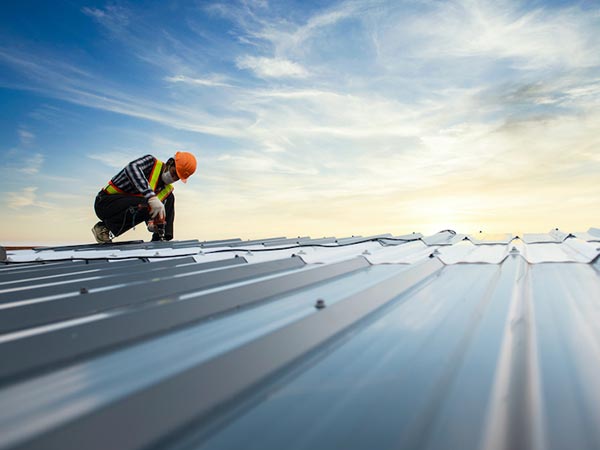
Open terrain around central North Dakota can expose commercial buildings to sustained winds and powerful gusts. Wind resistance is therefore an important consideration when selecting a roofing system for Minot.
Standing seam panels are commonly secured using concealed clips that are mechanically attached to the roof structure. These clips hold the panels securely while allowing controlled movement as metal expands and contracts with temperature changes. Properly engineered attachment helps the system resist uplift forces created by strong winds.
Raised seams also form continuous mechanical connections between neighboring panels. This design helps resist wind-driven rain while avoiding the numerous exposed fastener penetrations found on through-fastened metal systems.
Temperature Changes and Hail Exposure
North Dakota’s dramatic temperature range means a commercial roof may experience extreme cold during winter and substantial heat during summer. Metal naturally expands as it warms and contracts as it cools, so roofing systems must account for that movement.
The concealed clip design of standing seam roofing allows panels to move without placing the same stress on exposed fasteners. This is particularly valuable during repeated freeze-thaw cycles when roofing components continually respond to temperature changes.
Spring and summer also bring the possibility of hail. Metal roofing provides a durable exterior surface, but significant hail events can still affect panels or their factory-applied finish. An inspection following severe hail can identify damage that should receive attention before additional weather exposure occurs.
Maintaining a Standing Seam Metal Roof
Standing seam metal roofing generally requires relatively limited maintenance because the system does not depend on exposed fasteners across the panel surface. There are also no adhesive field seams that require the same type of monitoring associated with some membrane systems.
Periodic inspections are still valuable. Roof edges, ridge caps, flashing, penetrations, sealant details, and areas where different metals meet should be evaluated for developing concerns. Gutters and downspouts should also remain clear so rain and snowmelt can move away from the building efficiently.
After major wind or hail events, an additional evaluation can help identify localized damage. Addressing small flashing or sealant concerns early reduces the opportunity for moisture to enter the roofing assembly.
Commercial Roofing Built for Minot Weather
A standing seam metal roof combines concealed fasteners, strong mechanical seams, controlled thermal movement, and durable metal panels to create a roofing system built for long-term performance. These characteristics make standing seam roofing well suited to commercial properties facing Minot’s heavy snow, high winds, temperature swings, and seasonal storms.
Hi-Line Commercial Roofing handles standing seam metal roof projects in Minot, ND. Call (701) 621-0511 today to discuss whether this roofing system is the right fit for your commercial property.
With professional installation, a standing seam metal roof can provide dependable weather resistance, accommodate seasonal temperature changes, and deliver lasting protection with manageable maintenance needs.
FAQ
How does a standing seam metal roof handle heavy North Dakota snow?
The roofing panels are relatively lightweight, leaving more structural capacity available for snow loads. Smooth metal surfaces and sloped roof designs can also encourage accumulated snow to shed as weather conditions change.
How does standing seam roofing perform during high winds?
Concealed clips mechanically secure panels to the roof structure, while raised interlocking seams connect adjacent panels. A properly engineered system can provide strong resistance against uplift and wind-driven precipitation.
Does standing seam metal roofing need special maintenance in Minot?
Routine inspections should focus on perimeter flashing, ridge caps, penetrations, sealants, drainage components, and other vulnerable details. Additional inspections are useful following significant hail or wind events.