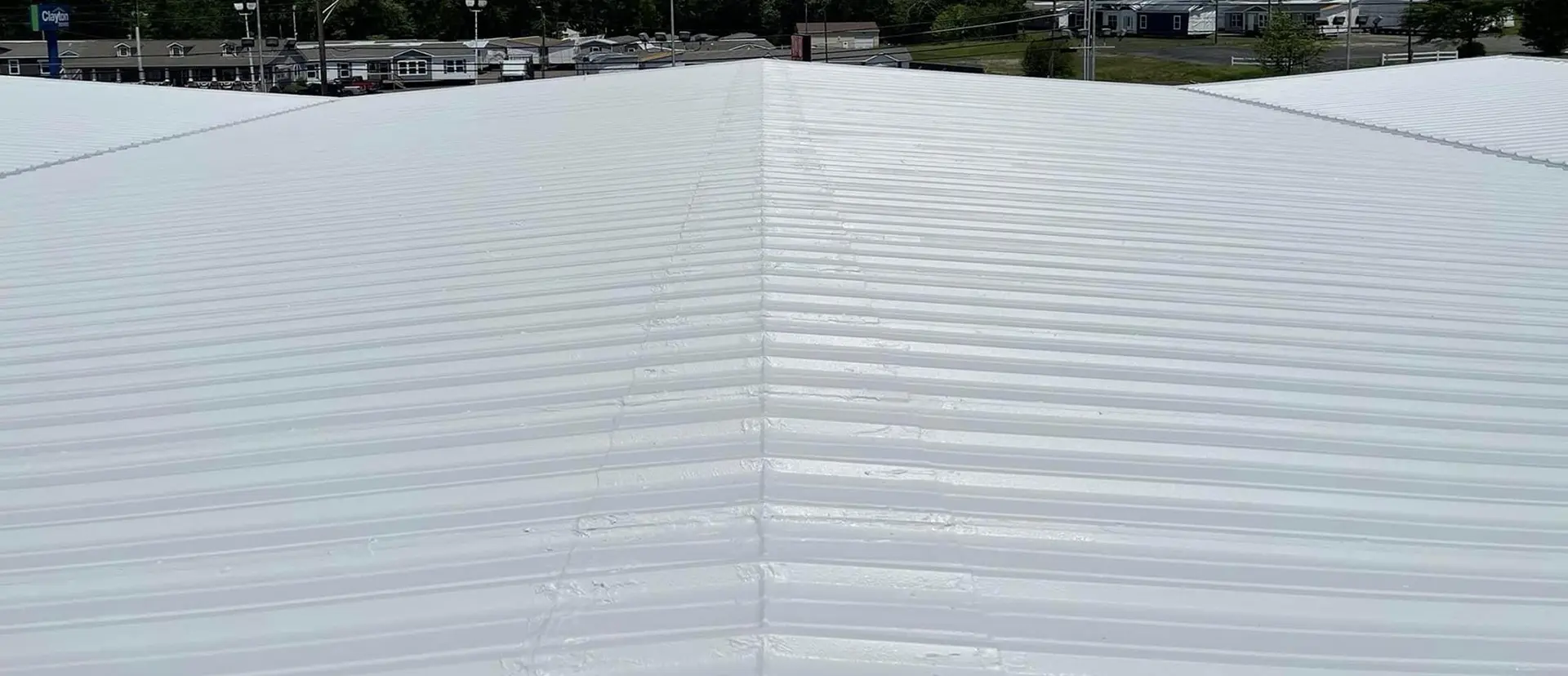

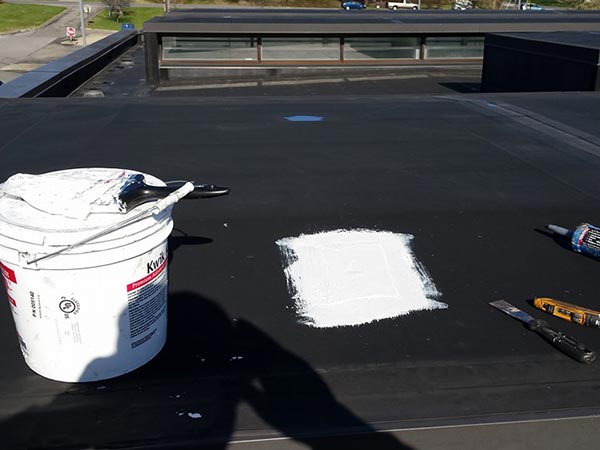
Commercial flat roofs in Minot, ND can develop problems over time due to normal aging, harsh weather, drainage concerns, and damage to individual roofing components. When issues arise, identifying the source of the problem is an important first step toward determining the right solution. Flat roof repair addresses localized damage while helping restore the roofing system’s ability to keep water out.
Hi-Line Commercial Roofing handles flat roof repair in Minot, ND. Call (701) 621-0511 to have your commercial roof evaluated and determine the appropriate repair approach.
Timely flat roof repair can prevent localized damage from spreading, restore dependable waterproofing, and help extend the service life of the existing roofing system.
Common Types of Flat Roof Repair
Commercial flat roof repairs vary according to the roofing system and location of the damage. Seam problems are among the more common concerns. Seams connect individual sections of roofing membrane, and separation can create an opening where moisture enters the roofing assembly.
Repair methods depend on the membrane. Thermoplastic systems such as TPO and PVC typically have seams joined with heat, so damaged sections may be cleaned and rewelded. EPDM rubber roofing uses different bonding methods, such as compatible adhesives or seam tape.
Flashing repairs are also common. Flashing protects transitions around roof edges, walls, pipes, equipment curbs, and other penetrations. Because these areas interrupt the continuous roof surface, deterioration can create vulnerable points for water entry.
Punctures, tears, and isolated membrane damage can often be addressed with compatible patches. Drain and scupper problems may also require attention when blockages or deterioration interfere with the roof’s ability to remove water.
How Contractors Assess Flat Roof Problems
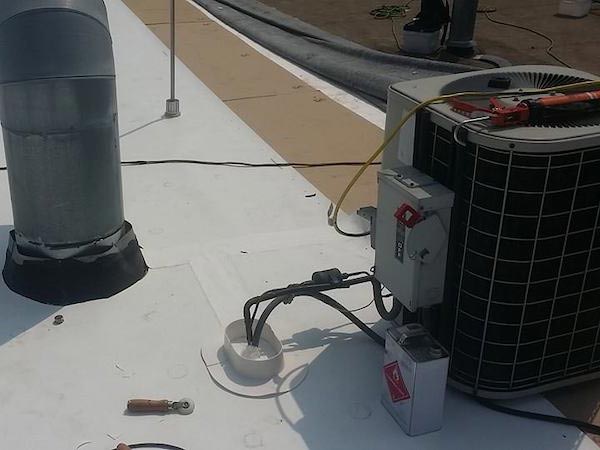
A repair normally begins with an evaluation of the roofing system. The contractor examines the membrane surface, seams, flashing, penetrations, drainage areas, and other details that may reveal deterioration or damage.
Interior evidence can provide additional information. Ceiling stains or other moisture signs help identify where water has entered the building, although the source may not be directly above the visible damage. Water can move horizontally through insulation or along structural components before appearing indoors.
Standing water patterns and staining on the roof may reveal drainage concerns or low areas. When moisture beneath the membrane is suspected, specialized moisture detection methods can help determine whether insulation has become wet.
This assessment establishes the appropriate repair scope. It also helps determine whether localized repair remains practical or whether deterioration has progressed far enough that replacement should be evaluated.
What to Expect During the Repair Process
Once the source and extent of the problem are understood, damaged areas are prepared for repair. Preparation may include cleaning the membrane, removing deteriorated material, drying the repair area, or exposing sound roofing material around the damage.
Many targeted repairs can be completed without major disruption to building operations. Repairing an isolated puncture, addressing a short seam section, or correcting flashing around a penetration may require only a relatively short exterior visit.
Larger repairs involving several flashing areas, extensive membrane deterioration, or wet underlying materials may take longer. Most work occurs on the exterior, so access to interior spaces is often limited. Some noise from tools or equipment may be noticeable during the repair.
A completed repair should restore the affected area’s ability to resist water while integrating properly with the surrounding roofing material.
Timing Flat Roof Repairs in Minot
Minot’s seasons can influence when commercial roof problems become noticeable. Spring snowmelt often reveals damage that developed during winter, making spring a useful time for evaluating seams, flashing, membranes, and drainage components.
Fall is another valuable period for addressing known concerns before freezing temperatures arrive. Completing repairs before winter can prevent existing openings from being exposed to repeated snow, ice, and freeze-thaw cycles.
Waiting for an active interior leak can allow moisture to spread beyond the original damaged area. Early evaluation provides a better opportunity to keep the repair localized.
Address Flat Roof Problems Early
Understanding the flat roof repair process helps commercial property owners make informed decisions when damage develops. A professional assessment can identify the source of the problem, determine how far deterioration has progressed, and establish whether a targeted repair can restore dependable roof performance.
Hi-Line Commercial Roofing handles flat roof repair in Minot, ND. Call (701) 621-0511 today to have your commercial roofing system evaluated.
Addressing damage at the right stage can restore waterproofing, prevent problems from spreading, and help property owners get more service life from their existing roof.
FAQ
Can every commercial flat roof leak be repaired?
Many isolated leaks can be repaired, but repair suitability depends on the overall condition of the roof. Widespread membrane deterioration or extensive wet insulation may make replacement a more practical consideration.
How long does a typical flat roof repair take?
Small repairs may be completed during a single visit. More extensive membrane, flashing, or moisture related repairs can require one or more days depending on the affected area and preparation required.
Will flat roof repairs disrupt normal business operations?
Most repair work takes place from the exterior, so normal operations can often continue. Occupants may occasionally hear tools or equipment, but interior disruption is generally limited for targeted repairs.