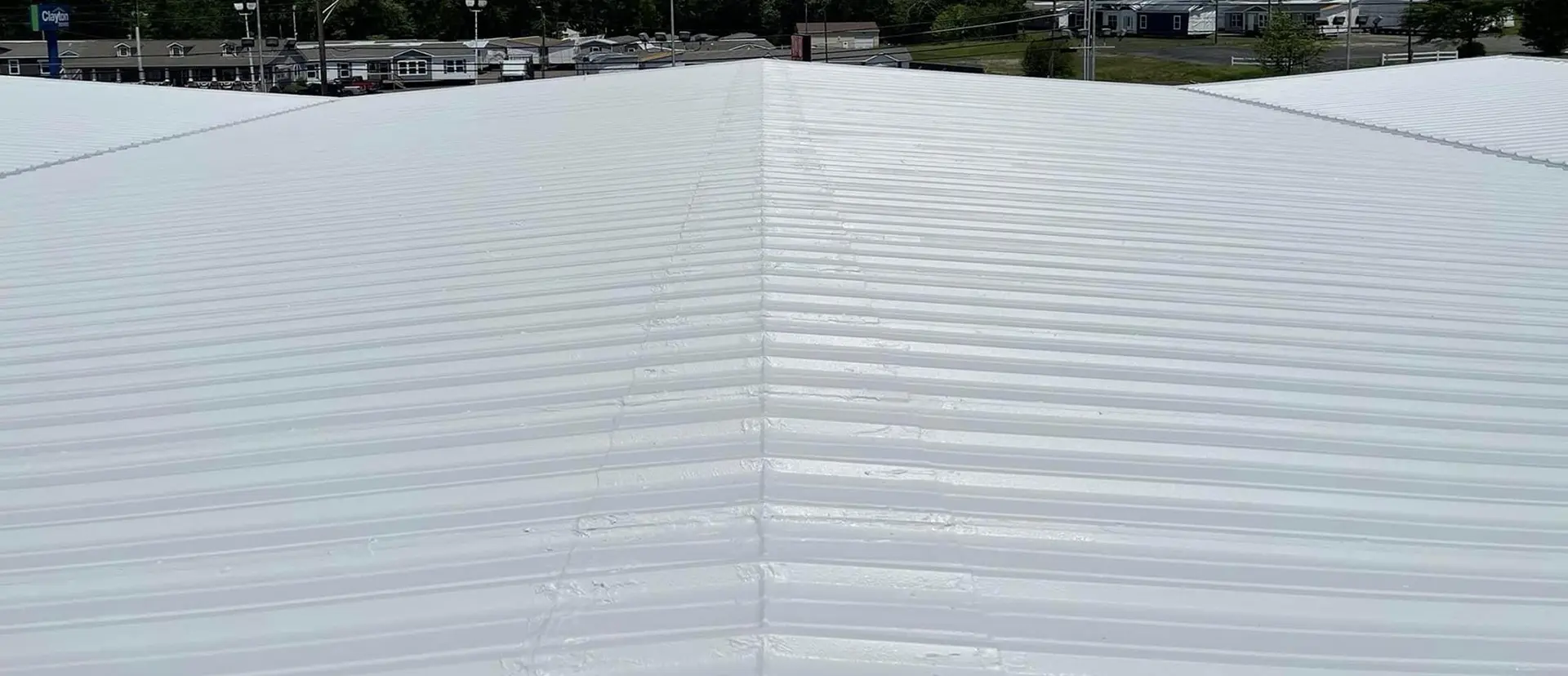

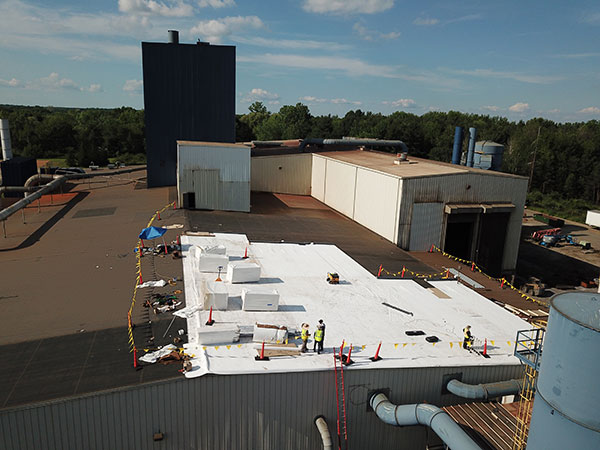
Commercial property owners in Minot, ND, face a relatively short roofing season, making preparation and scheduling especially important when planning a new roof. A properly installed thermoplastic polyolefin system can provide dependable protection for flat and low-slope commercial roofs through demanding weather conditions. TPO roof installation requires careful planning, experienced workmanship, and attention to critical details throughout the project. Call Hi-Line Commercial Roofing at (701) 621‑0511 for TPO roof installation in Minot, ND.
Why TPO Roof Installation Quality Matters
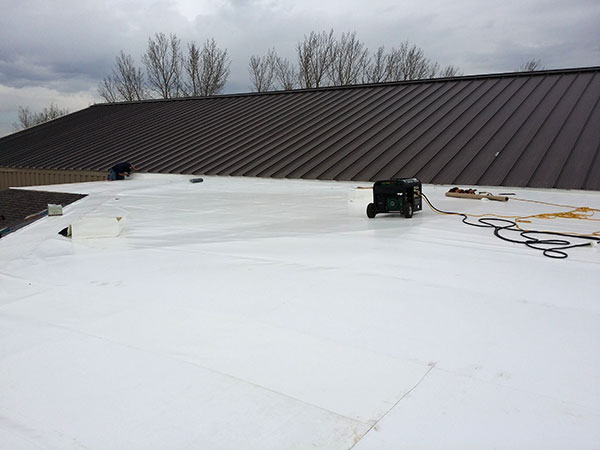
TPO stands for thermoplastic polyolefin, a single-ply roofing membrane commonly used on commercial properties. During installation, individual membrane panels are joined with hot-air welding equipment. Properly welded seams create strong connections that help maintain a watertight roofing surface.
The membrane may be mechanically fastened through the insulation into the roof deck or fully adhered with compatible adhesive. Pipes, drains, curbs, and other penetrations also require carefully installed flashing. Because these details directly affect waterproofing performance, installation quality matters as much as the roofing material itself.
Minot’s seasonal weather adds another consideration. Planning early can provide more scheduling flexibility and reduce the risk of colder weather arriving before the project is complete.
Four Tips for a Successful TPO Roof Installation
- Evaluate the existing roof first. Before installation begins, the existing roofing assembly should be assessed for moisture, deterioration, and structural concerns. A moisture survey and deck evaluation can help identify areas that require further investigation or repair. This information also helps establish whether the existing roof can remain in place or requires removal.
- Understand the project scope before work begins. Property owners should know whether the project involves a roof recover or complete tear-off, how the new membrane will be attached, and how penetrations and drainage areas will be addressed. A clear written scope gives owners a reference throughout the project and defines what the completed roofing system should include.
- Pay attention to seam quality during installation. Heat-welded seams are a major part of a TPO roofing system’s waterproofing performance. Welding requires proper equipment, suitable weather conditions, and skilled workmanship. Property owners do not need to supervise technical roofing work, but they should ask how seam quality is inspected and documented as installation progresses.
- Review the completed roof and documentation. Project closeout should include a review of the finished work and relevant records. Owners should understand what final inspections were completed, whether seam testing was documented, and which warranty registration and maintenance requirements apply. A final walkthrough also provides an opportunity to discuss drainage, rooftop equipment, access procedures, and future inspection needs.
Plan Around Minot’s Roofing Season
Weather can influence a TPO installation schedule because membrane installation and seam welding require appropriate conditions. Rain, excessive moisture, and temperatures below product requirements can interrupt work. Property owners should allow some scheduling flexibility rather than assuming every planned workday will provide suitable conditions.
Starting the planning process early can be particularly helpful in Minot. Contractors may have limited availability late in the roofing season. Early assessments give owners more time to review roof conditions, establish the scope, and schedule work during a suitable weather window.
Choose Experienced TPO Installation Professionals
A TPO roof is expected to protect a commercial building for years, so the installation process deserves careful attention from the initial assessment through the final walkthrough. Understanding the existing roof condition, project scope, seam inspection procedures, and closeout documentation helps owners make informed decisions throughout the project.
For TPO roof installation in Minot, ND, contact Hi-Line Commercial Roofing at (701) 621‑0511 today.
FAQ
How long does TPO roof installation take on a commercial building?
Installation time depends on roof size, the condition of the existing assembly, the attachment method, and the extent of required preparation. Deck repairs, tear-off requirements, complex penetrations, and weather delays can extend the schedule. Ask the contractor for a timeline based on the specific project.
Does an existing roof always need to be removed before installing TPO?
No. Some buildings qualify for a roof recover when the existing substrate is structurally sound, insulation is dry, and applicable codes permit another roofing layer. Saturated insulation, substantial deterioration, or too many existing roofing layers can make a complete tear-off necessary.
What should property owners look for in a TPO roofing contractor?
Look for documented TPO installation experience, knowledge of system requirements, quality-control procedures for seam inspection, relevant commercial references, and a clear written scope of work.