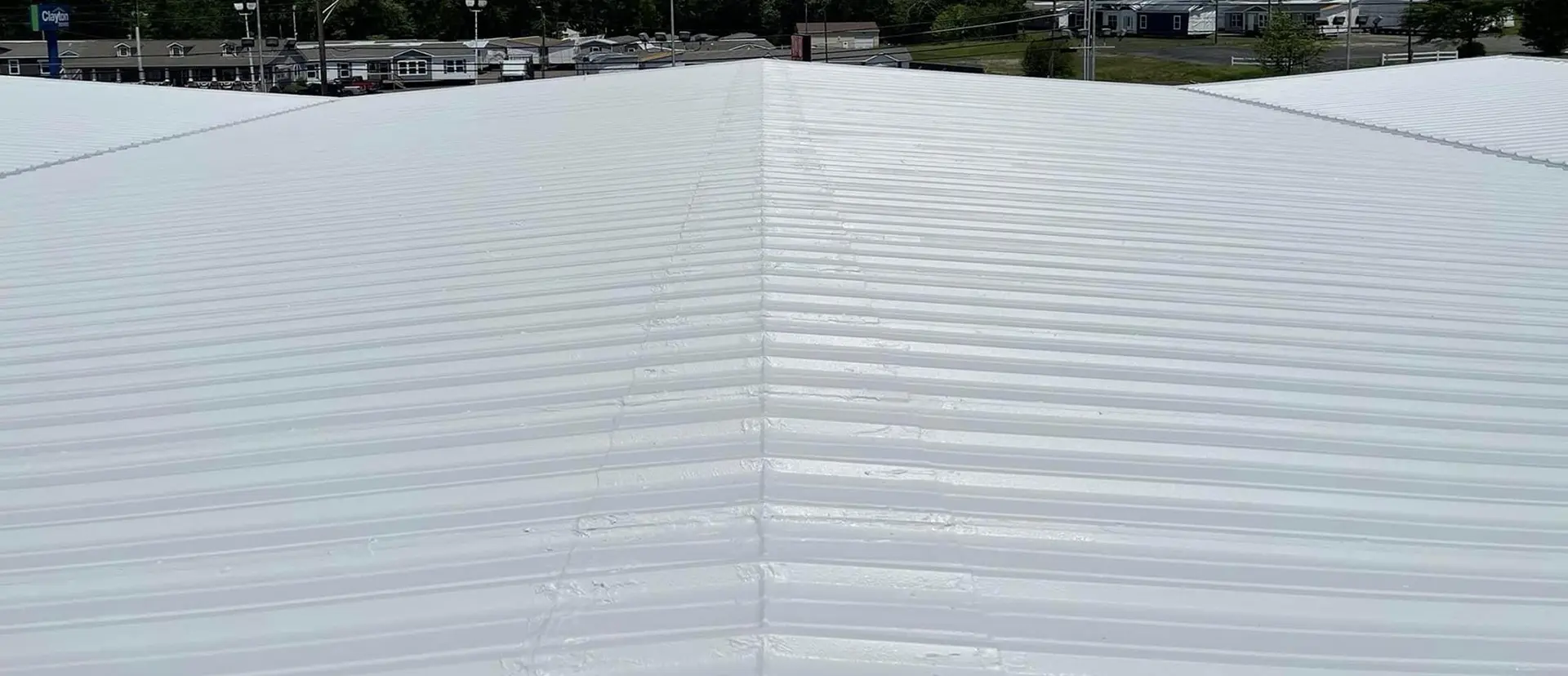
EPDM Roofing Watford City, ND

For commercial property owners in Watford City, ND, selecting the right roofing system is a long-term business decision. The region’s demanding climate, combined with the industrial activity that supports the Bakken oil field, places significant stress on commercial roofs. EPDM roofing has remained a popular choice because of its durability, flexibility, and ability to perform through harsh seasonal changes. If you are evaluating roofing options for a warehouse, office, retail facility, or industrial building, Hi-Line Commercial Roofing can provide guidance. For more information about EPDM roofing solutions in Watford City, ND, call (701) 621-0511.

Why EPDM Roofing Performs Well in North Dakota Weather

EPDM Roofing Watford City, ND 1

EPDM roofing, short for ethylene propylene diene monomer, is a synthetic rubber membrane commonly used on low-slope and flat commercial roofs. One of its greatest strengths is flexibility. In a climate like Watford City, where temperatures can swing dramatically between seasons, roofing materials must be able to expand and contract without cracking or losing performance.

During winter, commercial roofs are exposed to freeze-thaw cycles that can accelerate deterioration in less flexible materials. EPDM remains pliable in cold conditions, helping it resist damage caused by repeated temperature fluctuations. This flexibility also allows the membrane to accommodate minor building movement without creating stress points that can lead to leaks.

The material is also highly resistant to ultraviolet radiation. Long summer days and strong sun exposure gradually wear down many roofing systems, but EPDM is designed to withstand prolonged UV exposure. That resistance helps preserve the membrane and contributes to its reputation as a long-lasting commercial roofing option.

EPDM Roofing and Long-Term Service Life

EPDM Roofing Watford City, ND 2

Commercial building owners often focus on life-cycle cost rather than initial installation cost alone. EPDM roofing is frequently chosen because it can provide decades of reliable service when properly maintained. Many EPDM systems remain in service for 25 years or longer, depending on installation quality, maintenance practices, local weather conditions, and overall roof design.

The condition of seams, flashing details, and rooftop penetrations play a major role in determining longevity. HVAC equipment, vents, and drainage components should be periodically evaluated to identify developing issues before they become larger problems.

Regular inspections can help extend the useful life of an EPDM roof by identifying punctures, loose seams, or drainage concerns early. Addressing minor repairs promptly is typically far less expensive than dealing with interior water damage, insulation replacement, or structural deterioration caused by prolonged moisture intrusion.

Another advantage is that aging EPDM roofs are not always candidates for complete replacement. In some situations, restoration or repair strategies may be appropriate if the underlying roof system remains in good condition. A professional evaluation can determine whether restoration, repair, or replacement offers the best value.

EPDM Roofing Compared to Other Commercial Roofing Systems

Commercial property owners frequently compare EPDM roofing to thermoplastic membranes such as TPO. While both systems are widely used on flat and low-slope buildings, they differ in several important ways.

One notable difference is seam construction. EPDM systems commonly use adhesive or specialized seam tape technology to join membrane sections. TPO systems typically use heat-welded seams. Both approaches can perform effectively when installed correctly, but they rely on different installation methods and maintenance considerations.

Reflectivity is another distinction. Traditional EPDM membranes are often black, which allows them to absorb solar heat. TPO membranes are commonly manufactured in lighter colors and may provide higher solar reflectance. Depending on building use, insulation design, and energy goals, either approach may be suitable.

In Watford City’s industrial and energy-focused market, roofing systems are expected to handle demanding environmental conditions while protecting valuable operations and equipment. EPDM continues to be a proven solution for many commercial properties because of its balance of durability, weather resistance, and long-term value.

Commercial roofing decisions affect operating costs, building protection, and future capital planning. For property owners seeking dependable roofing performance in Watford City, ND, EPDM roofing remains a practical option for many facility types. To learn more about available roofing solutions or discuss your building’s needs, contact Hi-Line Commercial Roofing at (701) 621-0511.

FAQ

Does EPDM roofing hold up in extremely cold weather?
Yes. EPDM roofing is widely recognized for maintaining flexibility in low temperatures. This characteristic helps the membrane resist cracking and damage associated with freeze-thaw cycles, making it a strong option for commercial buildings in northern climates.

How long does an EPDM roof typically last?
A properly installed and maintained EPDM roof can often last 25 years or more. Factors such as seam condition, UV exposure, drainage performance, maintenance history, and installation quality all influence service life.

What is the difference between EPDM and TPO roofing?
EPDM is a synthetic rubber membrane that typically uses adhered or taped seams, while TPO is a thermoplastic membrane with heat-welded seams. EPDM is known for flexibility in colder climates, while TPO is often selected for its reflective surface and energy-related benefits.

Can an existing EPDM roof be restored instead of replaced?
In some cases, yes. If the roof deck and insulation remain in good condition and moisture intrusion is limited, restoration or repair may be possible. A professional assessment is needed to determine whether restoration is a viable option.

TPO Roofing Watford City, ND

Watford City, ND, sits in the center of North Dakota’s Bakken region, where commercial and industrial buildings face heavy weather swings, strong winds, and demanding operational use. In this environment, TPO roofing has become a leading solution for flat and low-slope commercial roofs because it delivers strong energy performance, long service life, and durable seam strength under harsh conditions. For property owners evaluating options, Hi-Line Commercial Roofing helps building managers understand and install systems that fit both budget and long-term performance goals. Reach them at (701) 621-0511 or visit https://www.hilinecommercialroofing.com for service details.

TPO Roofing Benefits for Commercial Buildings in Watford City

TPO Roofing Watford City, ND 1

TPO roofing, or thermoplastic polyolefin, is a single-ply membrane system designed for commercial flat roofs. Its rise in popularity is largely due to its balance of cost efficiency and performance. In markets like Watford City, where industrial buildings, warehouses, and oil-field support facilities dominate the landscape, roofing systems must hold up against UV exposure, wind uplift, and temperature extremes without requiring constant intervention.

One of the most valued advantages of TPO roofing is its seams, which are heat welded. Instead of relying on adhesives or tapes, the seams are fused using heat, forming a continuous membrane surface. This reduces common weak points where leaks often begin. For building owners, that translates into fewer disruptions and less long-term repair expense, particularly in facilities where downtime carries operational costs.

TPO Roofing Installation and Lifecycle Considerations

The performance of a TPO roofing system depends heavily on proper installation and project planning. Roof condition, insulation type, and moisture levels beneath the existing membrane all influence whether a full tear-off or recovery installation is the best approach. In some cases, TPO can be installed over an existing roof system if the substrate is dry, stable, and meets local code requirements. In other situations, removing the old roofing layer is necessary to protect long-term performance.

A properly installed TPO roofing system typically provides a service life in the range of 20 to 30 years. Factors such as UV exposure, foot traffic from rooftop equipment servicing, and maintenance frequency all influence longevity. Regular inspections help identify small issues early, such as punctures or seam stress, before they develop into larger leaks that interrupt building operations.

For Watford City’s mix of industrial and commercial structures, this long lifecycle is particularly valuable. Many facilities operate with critical equipment or storage functions that require stable interior conditions, making predictable roofing performance a key asset.

TPO Roofing in Watford City Commercial Applications

TPO Roofing Watford City, ND 2

The industrial character of Watford City creates specific demands for roofing systems. Buildings in oilfield service, energy support, and warehousing often experience higher rooftop equipment loads and more frequent mechanical access. TPO roofing performs well in these environments because it resists chemical exposure, handles thermal cycling, and supports consistent waterproofing across large surface areas.

Its adaptability also makes it suitable for both new construction and retrofit projects. As commercial development continues in the region, TPO remains a common specification for owners who want a balance between upfront cost control and long-term durability.

Watford City building owners looking for reliable commercial roofing solutions often turn to Hi-Line Commercial Roofing for guidance on TPO roofing systems, installation planning, and long-term maintenance strategies. For project consultation or service scheduling, call (701) 621-0511 to speak to one of our TPO roofing contractors.

FAQ

How long does a TPO roof typically last on a commercial building?
A TPO roofing system generally lasts between 20 and 30 years when properly installed and maintained. Longevity depends on factors such as climate exposure, installation quality, rooftop traffic, and maintenance practices. Regular inspections and prompt repairs help extend the service life by preventing minor damage from spreading into larger failures.

How does TPO compare to EPDM for flat commercial roofs?
TPO and EPDM are both widely used commercial roofing membranes, but they differ in structure and performance. TPO roofing uses heat-welded seams that create a strong, fused surface, while EPDM relies on adhesive or tape-based seams. TPO is typically white and reflects sunlight, improving energy efficiency in warmer conditions, while EPDM is usually black and can absorb heat, which may benefit colder climates. Both systems are valid depending on building needs and environmental priorities.

Can TPO be installed over an existing flat roof?
In some cases, TPO roofing can be installed over an existing system through a recovery process. This depends on whether the current roof is dry, structurally sound, and compliant with local building codes. If moisture is trapped or insulation is compromised, a full tear-off is usually required. The decision affects both cost and project timeline, so a professional assessment is necessary before work begins.

Spray Foam Insulation Minot, ND

Spray Foam Insulation Minot, ND 1

In a climate like Minot, ND, where winters are long, winds are strong, and temperatures can swing dramatically, building efficiency becomes a major concern for commercial property owners. One increasingly popular solution is spray foam insulation, a high-performance material that helps regulate indoor temperatures, reduce energy loss, and improve overall building durability.

For businesses in Minot, ND looking to upgrade insulation performance, Hi-Line Commercial Roofing can be reached at 701-621-0511 to evaluate whether spray foam insulation is the right fit for their facility.

Spray foam insulation has grown in popularity across industrial and commercial sectors because it provides both insulation and air sealing in a single application. However, its effectiveness depends heavily on where and how it is used.

Why Spray Foam Insulation Makes Sense

Spray foam insulation is a chemical-based material that expands upon application, forming a dense, continuous barrier across surfaces. It is typically applied as either open-cell or closed-cell foam, each with distinct performance characteristics.

Open-Cell Spray Foam

Open-cell foam is lighter and more flexible. It expands significantly after application, filling gaps, and cavities effectively. While it provides good insulation and sound dampening, it is less resistant to moisture.

Closed-Cell Spray Foam

Closed-cell foam is denser and more rigid. It offers higher insulation values per inch and acts as both an air and moisture barrier. This makes it especially useful in harsh climates like Minot, ND, where moisture control and thermal resistance are critical.

Air Sealing Advantage

Unlike traditional insulation materials, spray foam expands to fill cracks, seams, and voids. This reduces air leakage, which is one of the leading causes of energy loss in commercial buildings.

By creating a continuous barrier, spray foam improves both energy efficiency and indoor comfort while reducing strain on HVAC systems.

Where Spray Foam Insulation Delivers the Most Value

Spray Foam Insulation Minot, ND 2

Spray foam insulation is not a one-size-fits-all solution. It performs best in specific areas of a building where air leakage, temperature fluctuation, or moisture intrusion is most common.

Roofing and Attic Systems

One of the most effective uses of spray foam insulation is in roof assemblies. In commercial buildings, heat often escapes through the roof structure. Applying spray foam beneath or within roofing systems helps stabilize interior temperatures and reduce heating costs during harsh winters.

Metal Buildings and Warehouses

Metal structures are highly susceptible to condensation and temperature swings. Spray foam insulation helps regulate interior climate and prevents moisture buildup that can lead to corrosion or mold growth.

Walls and Building Envelopes

Exterior walls benefit significantly from spray foam because it seals gaps that traditional insulation materials may miss. This improves overall building envelope performance and reduces drafts.

Cold Storage and Specialized Facilities

Facilities requiring strict temperature control, such as food storage or manufacturing environments, rely on spray foam to maintain consistent internal conditions and reduce energy consumption.

These applications demonstrate how versatile spray foam insulation can be, when properly installed in the right environments.

Energy Efficiency and Long-Term Cost Savings

One of the primary reasons commercial building owners invest in spray foam insulation is its impact on long-term operational costs. While the upfront installation cost may be higher than traditional insulation, the return on investment is often substantial.

Reduced Heating and Cooling Costs

By minimizing air leakage, spray foam reduces the workload on HVAC systems. This leads to lower monthly energy bills, especially in regions like Minot, ND where heating demand is high.

Improved Building Longevity

Spray foam helps protect structural components by reducing moisture infiltration and temperature-related stress. This can extend the lifespan of roofing and wall systems.

Enhanced Indoor Comfort

Consistent indoor temperatures improve working conditions for employees and protect temperature-sensitive equipment or inventory.

Over time, these benefits contribute to lower operational expenses and improved building performance.

Spray Foam Insulation Experts

For commercial property owners in Minot, ND, investing in spray foam insulation can be a strategic way to improve energy efficiency, reduce operational costs, and enhance building performance. In a demanding climate, proper insulation plays a critical role in long-term facility management.

Businesses in Minot, ND can contact Hi-Line Commercial Roofing at 701-621-0511 to learn more about how spray foam insulation can be applied to improve their building’s efficiency and durability.

FAQ

What makes spray foam insulation different from traditional insulation?
It expands to fill gaps and creates an air-tight seal, unlike fiberglass or cellulose which can leave spaces.

Can spray foam insulation help reduce energy bills?
Yes, it significantly reduces air leakage, lowering heating, and cooling costs over time.

Is spray foam insulation suitable for commercial roofs?
Yes, it is commonly used in commercial roofing systems to improve insulation and moisture resistance.

Flat Roof Replacement Minot, ND

Flat Roof Replacement Minot, ND 1

In Minot, ND, commercial property owners face a unique challenge when it comes to managing building maintenance: balancing necessary structural upgrades with uninterrupted business operations. One of the most significant projects a facility can undergo is a flat roof replacement, which requires careful planning, coordination, and timing to minimize disruption.

For businesses in Minot, ND, Hi-Line Commercial Roofing at 701-621-0511 provides structured planning and execution strategies designed to keep operations running smoothly during major roofing work.

A flat roof replacement is more than just removing old materials and installing new ones. It is a phased construction process that impacts building access, safety protocols, and sometimes even interior operations. Understanding how to schedule and manage this work is essential for commercial success.

Scheduling a Flat Roof Replacement Around Business Operations

Before scheduling a project, it is important to recognize the conditions that indicate a full replacement is more appropriate than repair. Commercial flat roofing systems can deteriorate over time due to weather exposure, drainage issues, and material aging.

Widespread Membrane Failure

When roofing membranes develop extensive cracking, blistering, or seam separation, localized repairs are often no longer effective. At this stage, a full replacement is typically more cost-efficient.

Chronic Leaks and Interior Damage

Recurring leaks that affect insulation, ceilings, or equipment signal deeper structural issues within the roofing system. These problems often indicate that the system has reached the end of its service life.

Poor Energy Efficiency Performance

Older flat roofs may lack proper insulation or reflective properties, leading to higher energy costs. A replacement allows for upgraded materials that improve thermal efficiency.

Identifying these conditions early helps property managers plan ahead rather than react to emergency failures that can disrupt operations.

Reducing Downtime

Flat Roof Replacement Minot, ND 2

One of the biggest concerns for commercial building owners is minimizing downtime. A well-structured schedule can significantly reduce disruptions while maintaining safety and productivity.

Phased Construction Approach

Instead of replacing the entire roof at once, contractors often divide the project into sections. This allows portions of the building to remain fully operational while work is completed in stages.

Off-Hours and Weekend Scheduling

Many commercial flat roof replacement projects are scheduled during evenings, weekends, or slower business periods. This reduces noise disruption and limits interference with daily operations.

Safety and Access Management

Proper coordination ensures that employees, customers, and equipment are protected during construction. Clearly marked zones, temporary barriers, and controlled access points are essential components of the process.

Weather Considerations in Minot, ND

In climates like Minot, ND, seasonal weather plays a major role in scheduling. Contractors often aim for stable temperature windows to ensure proper adhesion of roofing materials and reduce weather-related delays.

Effective scheduling is a collaborative process between building owners and roofing professionals, ensuring both operational continuity and construction efficiency.

Choosing Materials and Systems for Long-Term Performance

A flat roof replacement also presents an opportunity to upgrade roofing systems for better durability and energy performance. The selection of materials can significantly impact long-term maintenance needs and operational costs.

TPO and PVC Roofing Systems

These single-ply membranes are commonly used in commercial roofing due to their durability, UV resistance, and energy efficiency. They are well-suited for flat roof applications in varying climates.

Modified Bitumen Systems

This multi-layer roofing option provides strong waterproofing and is known for its resilience under heavy foot traffic and fluctuating weather conditions.

Improved Insulation Layers

Modern replacements often include upgraded insulation, which enhances energy efficiency and helps stabilize indoor temperatures year-round.

Selecting the right system depends on building usage, budget, and environmental exposure.

Minimizing Disruption During Installation

Even with careful planning, construction activity can impact daily business functions. However, there are several strategies that help reduce disruption during a flat roof replacement.

  • Clear communication between contractors and building managers
  • Scheduled daily progress updates
  • Noise and dust control measures
  • Temporary protection for rooftop HVAC and equipment
  • Controlled material staging areas

These practices help ensure that business operations continue as smoothly as possible throughout the project.

Flat Roof Replacement Experts

For commercial property owners in Minot, ND, planning a flat roof replacement does not have to mean prolonged operational downtime. With proper scheduling, phased construction, and material planning, businesses can maintain productivity while upgrading essential infrastructure.

In Minot, ND, companies can rely on Hi-Line Commercial Roofing at 701-621-0511 to coordinate efficient roofing projects designed around business needs and long-term building performance.

FAQ

How long does a commercial flat roof replacement typically take?
Project duration depends on roof size, weather conditions, and material type, but most are completed in phases to reduce downtime.

Can a business remain open during a flat roof replacement?
Yes, most commercial properties remain operational through phased scheduling and controlled work zones.

What roofing materials are commonly used for flat roof replacements?
TPO, PVC, and modified bitumen systems are among the most widely used options for commercial flat roofs.

How does weather affect flat roof replacement projects?
Extreme temperatures, wind, and precipitation can impact installation timing and material performance, especially in climates like Minot, ND.

Commercial roof repair Minot, ND

Commercial roof repair Minot, ND 1

For commercial property owners in Minot, ND, protecting a roofing system is essential to maintaining business operations, preventing costly downtime, and preserving building value. Commercial roof repair plays a critical role in extending roof lifespan while avoiding premature replacement expenses. Addressing minor damage early can significantly reduce long-term costs and structural risks. If your facility requires professional evaluation or repair services in Minot, ND, contact Hi-Line Commercial Roofing at 701-621-0511 to discuss practical solutions designed for commercial buildings.

Commercial Roof Repair: How to Extend Roof Life

Commercial roofs face constant exposure to harsh environmental conditions. In North Dakota, extreme temperature swings, heavy snowfall, wind uplift, and UV exposure gradually weaken roofing materials. Even high-quality roofing systems experience wear over time.

Timely commercial roof repair helps building owners achieve several key benefits:

  • Prevent water intrusion that damages insulation and interiors
  • Maintain energy efficiency by protecting insulation layers
  • Preserve manufacturer warranties
  • Reduce emergency repair costs
  • Extend overall roof service life

Many commercial roofs fail prematurely not because of age, but due to neglected minor issues. Small cracks, seam separations, or drainage problems can escalate into widespread structural damage when left unresolved.

Common Roofing Problems That Require Repair

Commercial roof repair Minot, ND 2

Understanding early warning signs allows commercial property owners to act before problems worsen.

Membrane Damage and Seam Separation

Single-ply and modified bitumen roofing systems rely on sealed seams for waterproof protection. Over time, thermal expansion and contraction can weaken these seams, allowing moisture infiltration. Prompt commercial roof repair reseals vulnerable areas and restores system integrity.

Ponding Water and Drainage Issues

Flat and low-slope roofs are especially prone to standing water. Poor drainage places extra stress on roofing materials and increases the likelihood of leaks. Repairs may involve clearing drains, adjusting slope areas, or reinforcing waterproof coatings.

Flashing and Penetration Failures

Roof penetrations such as HVAC units, vents, skylights, and exhaust systems are frequent leak sources. Flashing deterioration allows water to enter at transition points. Repairing flashing components is one of the most effective ways to prevent interior damage.

Weather-Related Damage

Wind uplift, hail impacts, and freeze-thaw cycles can loosen materials or create punctures. Commercial roof repair following severe weather ensures damage does not spread beneath the roofing surface.

Strategies That Help Extend Roof Life

Commercial building owners can maximize roofing performance by combining repairs with proactive management strategies.

Early Detection and Documentation

Professional assessments identify hidden moisture or structural weaknesses before visible leaks appear. Documentation helps owners track roof condition and plan future budgeting.

Targeted Repairs Instead of Full Replacement

Many roofs qualify for localized repair rather than replacement. Restoring damaged sections maintains system performance while significantly reducing capital expenses.

Protective Coatings and Restoration Options

Roof coatings can reinforce aging systems by improving waterproofing and reflecting UV radiation. These solutions often add years of service life when applied after necessary repairs.

Routine Maintenance Planning

Commercial roof repair should be part of a larger maintenance strategy. Scheduled evaluations and small corrective actions prevent unexpected failures and operational disruptions.

The Financial Advantages of Timely Repairs

Commercial roofing represents a major investment, and repair decisions directly influence operational budgets. Delaying repairs often leads to insulation saturation, structural deterioration, and interior damage that far exceeds the cost of early intervention.

Strategic commercial roof repair provides measurable financial benefits:

  • Lower lifecycle roofing costs
  • Reduced energy expenses
  • Fewer emergency shutdowns
  • Improved tenant satisfaction
  • Extended replacement timelines

For warehouses, retail facilities, industrial buildings, and office complexes, maintaining roof integrity supports both productivity and asset value.

Commercial Roof Repair Experts

Commercial building owners in Minot, ND can significantly extend roof life through timely commercial roof repair and proactive planning. Addressing damage early protects your property, reduces long-term expenses, and keeps business operations running smoothly. To schedule an evaluation or learn more about professional roofing solutions in Minot, ND, contact Hi-Line Commercial Roofing today at 701-621-0511 for expert guidance tailored to commercial facilities.

FAQ

How do I know if my commercial roof needs repair instead of replacement?
A professional assessment evaluates damage severity, moisture levels, and structural condition to determine whether repairs are sufficient.

Can commercial roof repair improve energy efficiency?
Yes. Repairing insulation damage and sealing leaks helps maintain indoor temperatures and reduce energy consumption.

Are roof leaks always visible inside the building?
No. Moisture can travel beneath roofing materials before appearing indoors, which is why professional evaluations are important.

Does repairing a commercial roof disrupt business operations?
Most repairs are localized and planned to minimize interruptions, allowing facilities to remain operational during the process.

Commercial roof coating Minot, ND

Commercial roof coating Minot, ND 1

For commercial property owners in Minot, ND, protecting a roofing system from harsh weather conditions is essential for preserving building integrity and controlling long-term maintenance costs. One of the most effective solutions available today is commercial roof coating, a protective layer applied over an existing roof to extend its lifespan and improve performance. In a climate like Minot’s, where heavy snow, strong winds, and temperature fluctuations are common, roof coatings can play a major role in preventing premature roof failure. If your building needs professional evaluation or coating solutions, contact Hi-Line Commercial Roofing at 701-621-0511 to discuss options tailored to your facility.

Commercial Roof Coating: When Your Roof Needs a Coating

Commercial roof coating is a fluid-applied membrane designed to protect existing roofing systems. Once applied, it cures into a seamless, waterproof layer that adheres tightly to the roof surface. This protective barrier helps shield the underlying structure from UV rays, moisture intrusion, and thermal expansion.

Unlike full roof replacement, coatings are applied directly over a structurally sound roof, making them a cost-effective alternative for extending service life. Common coating materials include:

  • Acrylic coatings for UV protection and reflectivity
  • Silicone coatings for superior water resistance
  • Polyurethane coatings for durability in high-traffic areas

Each type of coating serves a different purpose, but all are designed to enhance performance and reduce deterioration.

Signs Your Roof May Benefit from a Coating

Commercial roof coating Minot, ND 2

Not every roof requires replacement when issues arise. In many cases, a commercial roof coating can restore functionality and delay costly reconstruction.

Surface Aging and UV Damage

Over time, commercial roofs are exposed to intense sunlight, which can cause materials to dry out, crack, or become brittle. If the roof surface appears faded, chalky, or worn but is still structurally intact, a coating can restore protection and prevent further UV degradation.

Minor Leaks and Moisture Intrusion

Small leaks are often early warning signs of roofing system failure. Instead of immediate replacement, coatings can seal minor cracks and seams, preventing water infiltration from spreading and damaging insulation or interior spaces.

Ponding Water Areas

Flat and low-slope roofs often develop standing water after rainfall or snowmelt. Certain commercial roof coating systems are designed to resist ponding water, reducing long-term damage and preventing membrane breakdown.

Increased Energy Costs

If a building experiences rising cooling costs during summer months, the roof may absorb excessive heat. Reflective coatings help reduce heat transfer, improving indoor temperature control and lowering energy consumption.

Key Benefits of Commercial Roof Coating

Applying a commercial roof coating provides several long-term advantages for building owners seeking cost-effective roof management.

Extended Roof Lifespan

A properly applied coating can add 10–20 years of additional service life by protecting the existing roofing membrane from environmental stress.

Cost Savings Compared to Replacement

Roof replacement is expensive and disruptive. Coating offers a more affordable alternative while minimizing downtime and operational interruptions.

Improved Energy Efficiency

Reflective coatings reduce heat absorption, helping maintain more stable indoor temperatures and reducing HVAC workload.

Seamless Waterproof Protection

Because coatings form a continuous membrane, they eliminate seams where leaks commonly occur, improving overall waterproofing performance.

Reduced Maintenance Needs

A coated roof requires fewer repairs over time, helping facility managers allocate maintenance budgets more efficiently.

When to Consider Professional Evaluation

Before applying commercial roof coating, a professional inspection is essential. Contractors evaluate:

  • Structural integrity of the existing roof
  • Moisture levels within insulation layers
  • Compatibility of coating materials
  • Surface preparation requirements

Not all roofs qualify for coating, especially if there is extensive structural damage or widespread saturation. A proper assessment ensures the coating system performs as intended.

Reliable Commercial Roof Coating

For commercial building owners in Minot, ND, investing in commercial roof coating is a practical way to extend roof life, reduce energy costs, and protect valuable assets from harsh weather conditions. With the right evaluation and application, coatings can significantly improve roofing performance without the expense of full replacement. To learn more about coating solutions for your facility in Minot, ND, contact Hi-Line Commercial Roofing at 701-621-0511 for professional guidance and service options.

FAQ

What types of roofs can receive a commercial roof coating?
Most low-slope commercial roofing systems, including metal, modified bitumen, and single-ply membranes, can be coated if structurally sound.

How long does a roof coating typically last?
Depending on the material and conditions, coatings can last 10–20 years with proper maintenance.

Can roof coatings stop active leaks?
Yes, in many cases they can seal minor leaks, but severe structural damage may require repair before application.

Do roof coatings require special maintenance?
Maintenance is minimal, but periodic inspections help ensure the coating remains effective and intact.

Fabric Reinforced Systems Minot, ND

Fabric Reinforced Systems Minot, ND 1

Protecting a commercial roof from leaks is a constant priority in regions with harsh seasonal weather, including heavy snow, wind-driven rain, and rapid temperature changes. Fabric reinforced systems have become an effective solution for extending roof life and improving resistance to water intrusion by creating a seamless, durable waterproof barrier.

Hi-Line Commercial Roofing installs fabric reinforced roofing systems for properties in Minot, ND. Call 701-621-0511 to schedule an evaluation and learn how these systems can improve long-term roof protection.

By combining advanced coatings with high-strength reinforcing fabric, these systems help strengthen vulnerable areas, improve durability, and support reliable performance through demanding weather conditions.

How Fabric Reinforced Roofing Systems Prevent Leaks

Fabric reinforced systems are a type of fluid-applied roofing solution designed to strengthen existing roof structures while improving waterproofing performance. They are commonly used on commercial flat roofs that experience frequent ponding, aging membranes, or recurring leaks.

What These Systems Are Made Of

A fabric reinforced system typically includes:

  • A base layer of liquid-applied coating
  • A polyester or polyester-fiber reinforcement fabric
  • A top protective coating layer
Fabric Reinforced Systems Minot, ND 2

The fabric layer is embedded between coating applications, creating a durable membrane that bonds tightly to the existing roof surface. Once cured, the system forms a continuous barrier that resists water penetration and environmental damage.

Where They Are Most Effective

Fabric reinforced systems are widely used on:

  • EPDM rubber roofs
  • Modified bitumen systems
  • Metal roofing surfaces
  • Sprayed polyurethane foam roofs

They are especially valuable for aging commercial roofs where full replacement is not yet necessary but leaks are becoming more frequent.

How Fabric Reinforced Systems Prevent Roof Leaks

The primary advantage of fabric reinforced systems is their ability to strengthen weak areas while eliminating common failure points in traditional roofing.

Seamless Waterproofing Protection

Most commercial roof leaks originate at seams, fasteners, or flashing transitions. Fabric reinforced systems eliminate many of these vulnerabilities by creating a seamless membrane across the entire roof surface. The reinforcement fabric bridges gaps and irregularities, ensuring water cannot penetrate weak points.

Reinforcing Weak or Damaged Areas

Over time, roofing materials naturally degrade due to UV exposure, temperature cycling, and physical wear. Fabric reinforcement adds structural strength to aging membranes by:

  • Bridging small cracks or splits
  • Stabilizing deteriorating surfaces
  • Reinforcing stress-prone areas like edges and penetrations

This reinforcement slows further deterioration and restores overall roof integrity.

Enhanced Flexibility in Harsh Weather

In regions like Minot, ND, roofs must withstand extreme temperature swings that cause expansion and contraction. Fabric reinforced systems are highly flexible, allowing them to move with the roof without cracking or separating. This flexibility significantly reduces the likelihood of leak development during freeze-thaw cycles.

Superior Adhesion and Surface Protection

The bonding strength of these systems ensures long-term adhesion to existing roofing materials. The top coating layer provides:

  • UV resistance
  • Chemical resistance
  • Improved water shedding
  • Protection against hail and debris impact

Together, these properties help maintain a watertight seal even under harsh environmental conditions.

Advantages of Fabric Reinforced Systems for Commercial Buildings

Beyond leak prevention, fabric reinforced systems offer several operational and financial benefits for property owners.

Cost-Effective Alternative to Replacement

Full roof replacement can be expensive and disruptive to business operations. Fabric reinforced systems extend roof life at a fraction of the cost, making them an attractive option for budget-conscious facility managers.

Minimal Business Disruption

Installation is typically less invasive than full replacement. Most systems can be applied while the building remains operational, reducing downtime and tenant disruption.

Improved Energy Efficiency

Reflective top coatings can reduce heat absorption, helping stabilize indoor temperatures and potentially lowering energy costs for commercial buildings.

Extended Roof Lifespan

When properly installed and maintained, fabric reinforced systems can add years or even decades of service life to an existing roof.

Fabric Reinforced Systems Experts

Fabric reinforced systems provide commercial building owners with a practical, long-lasting way to prevent leaks without the expense of full roof replacement. By reinforcing existing roofing materials and creating a seamless waterproof barrier, these systems help protect valuable assets while reducing long-term maintenance needs.

Hi-Line Commercial Roofing installs fabric reinforced roofing systems for properties in Minot, ND. Call 701-621-0511 to schedule a consultation and learn how these systems perform under local weather conditions.

A properly installed fabric reinforced system helps improve roof durability, extend service life, and support reliable protection against ongoing environmental exposure.

FAQ

How long do fabric reinforced roofing systems typically last?
When properly installed and maintained, they can extend roof life by 10–20 years or more depending on conditions.

Can fabric reinforced systems fix active leaks?
Yes. They are designed to seal minor leaks and reinforce weak areas while preventing future water intrusion.

Are these systems suitable for all commercial roofs?
They are compatible with many roofing types, but a professional inspection is needed to determine suitability.

Do fabric reinforced systems require heavy maintenance?
No. Routine inspections and basic upkeep are usually sufficient to maintain performance.

Commercial Roofing Contractor Minot, ND

Commercial Roofing Contractor Minot, ND 1

Maintaining a reliable roofing system is not a one-time project for commercial properties. It requires ongoing attention, consistent maintenance, and support from an experienced commercial roofing contractor. In regions like Minot, ND, where roofs face heavy snow loads, strong winds, and constant seasonal stress, long-term roofing performance depends on proactive care and knowledgeable service.

Hi-Line Commercial Roofing works as a commercial roofing contractor for properties in Minot, ND. Call 701-621-0511 for dependable roofing support and professional guidance tailored to your building’s needs.

Building a long-term relationship with a trusted commercial roofing contractor helps ensure roofing systems remain structurally sound, energy efficient, and prepared to handle North Dakota’s demanding weather conditions year after year.

Building a Long-Term Relationship with Your Commercial Roofing Contractor

A commercial roof is one of the most important assets of any building. It protects equipment, inventory, employees, and daily operations. Unlike residential roofing, commercial systems are often larger, more complex, and exposed to more wear due to HVAC units, drainage systems, and heavy foot traffic.

Expertise in Complex Roofing Systems

A qualified commercial roofing contractor understands a wide range of roofing systems, including:

  • EPDM rubber roofing
  • TPO and PVC membranes
  • Metal roofing systems
  • Modified bitumen systems
  • Built-up roofing (BUR)
Commercial Roofing Contractor Minot, ND 2

Each system has unique installation and maintenance requirements. A knowledgeable contractor ensures proper application, reducing the risk of premature failure.

Compliance and Safety Standards

Commercial roofing projects must meet strict building codes and safety regulations. A professional contractor ensures compliance with:

  • OSHA safety guidelines
  • Local building codes
  • Manufacturer installation requirements

This protects both the building owner and the workers on site while ensuring long-term system performance.

The Value of Preventive Maintenance and Inspections

One of the most important aspects of building a strong relationship with a commercial roofing contractor is ongoing maintenance. Preventive care helps identify small issues before they become expensive structural problems.

Early Detection of Roof Damage

Routine inspections allow contractors to identify:

  • Small punctures or membrane cracks
  • Flashing failures around HVAC units
  • Ponding water on flat roofs
  • Loose seams or fasteners

Addressing these issues early prevents leaks and structural deterioration.

Extending Roof Lifespan

Consistent maintenance significantly extends the life of commercial roofing systems. Instead of replacing a roof prematurely, property owners can maximize their investment through timely repairs and protective treatments.

Reducing Emergency Repair Costs

Emergency roofing repairs are often more expensive and disruptive than scheduled maintenance. A strong contractor relationship ensures quick response times and reduces the likelihood of unexpected failures.

Communication and Transparency in Roofing Partnerships

A long-term relationship with a commercial roofing contractor depends heavily on communication and trust. Property owners should expect clear explanations, honest assessments, and transparent pricing.

Detailed Project Documentation

Professional contractors provide:

  • Inspection reports with photos
  • Repair recommendations
  • Cost estimates
  • Maintenance records

This documentation helps facility managers make informed decisions about their roofing assets.

Long-Term Planning Strategies

Instead of focusing only on immediate repairs, experienced contractors help building owners develop long-term roofing plans. These plans may include:

  • Budget forecasting for future repairs or replacement
  • Energy efficiency upgrades
  • Coating or restoration options
  • Lifecycle analysis of roofing systems

This strategic approach helps businesses plan financially while protecting their property.

Weather Challenges in Minot, ND and Roofing Performance

The climate in Minot, ND creates unique challenges for commercial roofing systems. Extreme cold, heavy snowfall, and rapid temperature changes can all impact roof performance.

Snow and Ice Load Stress

Heavy snow accumulation adds significant weight to commercial roofs. Without proper drainage and structural design, this can lead to sagging or leaks.

Wind Exposure

Strong prairie winds can lift membranes, damage flashing, and loosen fasteners, making regular inspection and maintenance even more important.

A trusted contractor familiar with local conditions understands how to design, repair, and maintain roofing systems that withstand these environmental stresses.

Professional Commercial Roofing Contractor

A dependable roofing system is essential for protecting business operations, maintaining property value, and supporting long-term building performance. Working with an experienced commercial roofing contractor helps ensure roofing systems remain durable, efficient, and properly maintained through changing weather conditions and ongoing environmental exposure.

Hi-Line Commercial Roofing works as a commercial roofing contractor for properties in Minot, ND. Call 701-621-0511 to access professional inspections, preventative maintenance, and roofing support tailored to commercial buildings.

Establishing a long-term roofing partnership helps property owners stay ahead of potential issues, plan strategically for future needs, and protect their investment with reliable, consistent service.

FAQ

What does a commercial roofing contractor do?
They install, repair, and maintain roofing systems for commercial buildings while ensuring compliance with safety and building codes.

Why is maintenance important for commercial roofs?
Maintenance helps detect early damage, extend roof lifespan, and reduce costly emergency repairs.

Can a contractor help with long-term roofing budgets?
Yes. Many contractors provide lifecycle planning and cost forecasting for future roofing needs.

Do commercial roofing contractors work during business hours?
Yes, but they often schedule work to minimize disruption to daily business operations.

Single-Ply Roofing Minot, ND

Single-Ply Roofing Minot, ND 1

In Minot, ND, commercial property owners face some of the harshest roofing conditions in the country, from freezing winters and snow accumulation to strong winds and seasonal temperature swings. These environmental pressures make material performance a top priority when selecting a roofing system. Single-ply roofing has emerged as a leading solution because of its scientifically engineered durability and efficiency.

For expert guidance tailored to local conditions, commercial building owners can connect with Hi-Line Commercial Roofing at 701-621-0511, a trusted provider helping businesses protect their investments through modern roofing technology.

The Engineering Behind Single-Ply Roofing

Single-ply roofing refers to flexible membrane roofing systems manufactured in a single layer of synthetic material. Unlike traditional multi-layer roofs, these systems rely on advanced material science rather than bulk thickness for protection.

The durability of single-ply roofing comes from polymers specifically designed to withstand environmental stress. Common membrane types include thermoplastic systems and synthetic rubber-based materials, each engineered for flexibility, strength, and weather resistance.

At the molecular level, these membranes are reinforced with polyester or fiberglass scrim layers. This reinforcement distributes stress evenly across the surface, preventing tears or punctures caused by wind uplift, thermal expansion, or rooftop equipment movement.

Because the material remains flexible even in cold climates, it can expand and contract without cracking, a critical advantage in regions like Minot where temperatures fluctuate dramatically.

Another scientific advantage lies in seam technology. Heat-welded seams create bonds that are often stronger than the membrane itself, forming a continuous waterproof barrier that reduces leak risk compared to mechanically layered roofing systems.

Climate Resistance: Why Durability Matters in Northern Environments

Single-Ply Roofing Minot, ND 2

Commercial roofs in northern climates face unique durability challenges. Snow loads, freeze-thaw cycles, and ultraviolet exposure all contribute to long-term material fatigue.

Single-ply roofing performs exceptionally well under these conditions due to its elastic memory. The membrane can stretch during thermal expansion and return to its original shape once temperatures stabilize. This flexibility prevents structural stress that often causes cracking in rigid roofing systems.

UV resistance also plays a major role in durability. Many single-ply membranes are manufactured with reflective surfaces that reduce heat absorption. While Minot experiences long winters, summer UV exposure still accelerates aging in traditional roofs. Reflective membranes slow degradation by minimizing thermal stress.

Wind resistance is another scientific benefit. Properly installed single-ply systems can be mechanically fastened or fully adhered, allowing engineers to design installations that meet specific wind uplift ratings. This adaptability helps commercial buildings maintain roof integrity during storms common across North Dakota plains.

Additionally, single-ply roofing resists chemical exposure from industrial emissions, grease exhaust systems, and airborne contaminants, making it ideal for warehouses, manufacturing facilities, and retail properties.

Installation Science and Long-Term Performance

Durability is not determined by materials alone; installation methods significantly influence performance outcomes. Single-ply roofing systems are engineered for precision installation that maximizes longevity.

Surface preparation ensures proper adhesion and eliminates trapped moisture that could weaken performance over time. Once installed, the lightweight nature of single-ply membranes reduces structural stress on commercial buildings compared to heavier roofing assemblies.

Another scientific advantage is moisture management. Because the membrane forms a continuous barrier, water infiltration points are minimized. Advanced vapor control layers can also regulate condensation beneath the roof, protecting insulation and structural components.

Energy efficiency contributes indirectly to durability as well. Reflective single-ply surfaces help regulate rooftop temperatures, reducing thermal cycling stress. Less expansion and contraction translate into fewer structural strains over decades of use.

Maintenance efficiency further extends lifespan. Damage, if it occurs, can often be repaired through localized welding or patching rather than large-scale replacement. This repairability reduces downtime and preserves system integrity.

The Future of Durable Commercial Roofing Systems

As commercial building owners seek roofing solutions that combine resilience with operational efficiency, single-ply roofing continues to evolve through advancements in polymer chemistry and manufacturing technology.

Modern membranes now include enhanced puncture resistance, improved weathering performance, and stronger seam bonding techniques. These innovations allow roofs to withstand increasingly unpredictable weather patterns while maintaining consistent protection.

For commercial facilities, durability translates directly into financial stability. A roof that resists environmental stress reduces emergency repairs, protects interior assets, and supports uninterrupted business operations. The science behind single-ply roofing demonstrates that durability is no longer about adding layers, it is about smarter materials engineered for real-world performance.

Single-Ply Roofing Experts

In Minot, ND, where extreme weather demands dependable roofing solutions, understanding the science behind single-ply roofing helps commercial building owners make informed long-term decisions. Businesses seeking reliable installation and expert consultation can contact Hi-Line Commercial Roofing at 701-621-0511 to explore roofing systems designed for strength, efficiency, and lasting durability.

FAQ

What makes single-ply roofing durable compared to traditional systems?
Its reinforced polymer membrane, flexible structure, and heat-welded seams create a strong, continuous waterproof barrier.

Is single-ply roofing suitable for cold climates?
Yes. The membrane maintains flexibility in freezing temperatures, reducing cracking caused by thermal expansion and contraction.

Can single-ply roofing handle heavy commercial rooftop equipment?
When properly installed with reinforcement and walk pads, it performs well under mechanical stress and rooftop traffic.

Does single-ply roofing improve energy efficiency?
Many systems feature reflective surfaces that reduce heat absorption and lower cooling demands during warmer months.

Commercial Roofing Services Minot, ND

Commercial Roofing Services Minot, ND 1

In Minot, ND, commercial buildings are constantly exposed to demanding weather conditions, including snow accumulation, temperature fluctuations, wind, and seasonal storms. These factors place continuous stress on roofing systems, making preventative care essential rather than optional. Modern commercial roofing services increasingly focus on preventative maintenance because it helps building owners avoid unexpected expenses and operational disruptions.

Businesses looking to strengthen long-term roof performance can consult Hi-Line Commercial Roofing at 701-621-0511, where proactive solutions help protect commercial investments before major problems develop.

Preventative Maintenance Is the Foundation of Commercial Roofing Services

Preventative maintenance is the strategic process of identifying minor roofing issues before they evolve into costly structural failures. For commercial property owners, the roof is not simply a protective covering, it safeguards equipment, inventory, employees, and daily operations.

Commercial roofing systems experience gradual wear rather than sudden failure. Small membrane punctures, clogged drainage systems, seam separation, or flashing deterioration may go unnoticed until water infiltration occurs. Preventative maintenance programs address these vulnerabilities early.

Professional commercial roofing services typically include surface assessments, debris removal, drainage evaluation, sealant reinforcement, and early leak detection. By correcting these issues proactively, building owners extend the functional lifespan of roofing materials while minimizing emergency repairs.

Preventative maintenance also protects insulation layers beneath the membrane. Once moisture penetrates insulation, energy efficiency declines and structural damage accelerates. Addressing risks early prevents hidden deterioration that often leads to premature roof replacement.

How Preventative Maintenance Supports Business Continuity

Commercial Roofing Services Minot, ND 2

For commercial facilities, roofing failures can interrupt operations far beyond repair costs. Water intrusion may halt production lines, damage stored goods, disrupt tenants, or create safety hazards for employees and customers.

Preventative commercial roofing services reduce these risks by maintaining system reliability throughout the year. Maintenance professionals monitor common problem areas such as rooftop penetrations, HVAC curbs, expansion joints, and drainage outlets, locations where leaks most frequently develop.

In regions like Minot, seasonal transitions present additional challenges. Freeze-thaw cycles cause expansion and contraction that weakens roofing components over time. Preventative maintenance ensures seams remain sealed, membranes stay flexible, and drainage pathways function properly before severe weather arrives.

Another important benefit is predictable budgeting. Emergency roof repairs often come with higher labor costs, expedited materials, and unexpected downtime expenses. Preventative maintenance shifts roofing management from reactive spending to planned investment, allowing commercial property managers to forecast expenses more accurately.

Insurance considerations also play a role. Many insurers value documented maintenance because it demonstrates responsible property management. Consistent care can simplify claims processes by showing that roofing damage was not caused by neglect.

Key Components of Effective Preventative Commercial Roofing Services

Successful maintenance programs follow structured processes designed to preserve roofing performance long-term.

Early Damage Detection

Routine evaluations identify membrane wear, minor punctures, or loose flashing before leaks develop. Early intervention significantly lowers repair costs.

Drainage Management

Standing water is one of the leading causes of commercial roof deterioration. Clearing drains and ensuring proper water flow reduces structural stress and prevents premature aging.

Sealant and Flashing Reinforcement

Roof penetrations naturally weaken over time. Reapplying sealants and reinforcing flashing protects vulnerable transition points where water intrusion often begins.

Surface Preservation

Cleaning debris, monitoring rooftop traffic areas, and protecting high-use zones help maintain membrane integrity. Preventative measures reduce abrasion and puncture risks caused by maintenance equipment or foot traffic.

Performance Documentation

Maintenance records provide valuable insight into roof condition trends. This data helps commercial owners make informed decisions about restoration, upgrades, or future capital planning.

When combined, these steps transform commercial roofing services into a long-term asset management strategy rather than a simple repair response.

Long-Term Value: Extending Roof Life Through Prevention

One of the most significant advantages of preventative maintenance is lifespan extension. Commercial roofing systems represent a major capital investment and replacing them prematurely can strain operating budgets.

Consistent maintenance slows material degradation caused by weather exposure, UV radiation, and mechanical stress. A well-maintained roof often lasts years, or even decades, longer than a neglected system.

Energy efficiency also improves when roofing components remain intact. Properly sealed membranes and dry insulation reduce heat transfer, helping businesses control energy costs throughout extreme seasonal conditions.

Preventative commercial roofing services ultimately shift the focus from crisis management to sustainability. Building owners gain peace of mind knowing their facilities remain protected, operational, and financially efficient.

Professional Commercial Roofing Services

In Minot, ND, where environmental conditions demand resilient infrastructure, preventative maintenance stands as one of the most effective strategies available to commercial property owners. Businesses seeking expert support can contact Hi-Line Commercial Roofing at 701-621-0511 to develop maintenance solutions designed to safeguard roofing systems, reduce long-term costs, and maintain reliable performance year after year.

FAQ

What is included in preventative commercial roofing services?
Services typically include inspections, drainage clearing, sealant repairs, minor fixes, and performance evaluations to prevent major roofing issues.

How does preventative maintenance reduce repair costs?
By identifying small problems early, repairs remain simple and affordable instead of becoming large-scale restoration projects.

Can preventative maintenance extend roof lifespan?
Yes. Consistent care reduces material deterioration and helps roofing systems perform efficiently for many additional years.

Is preventative maintenance beneficial for leased commercial properties?
Absolutely. It protects tenant spaces, prevents disruptions, and helps property managers maintain building value and reliability.