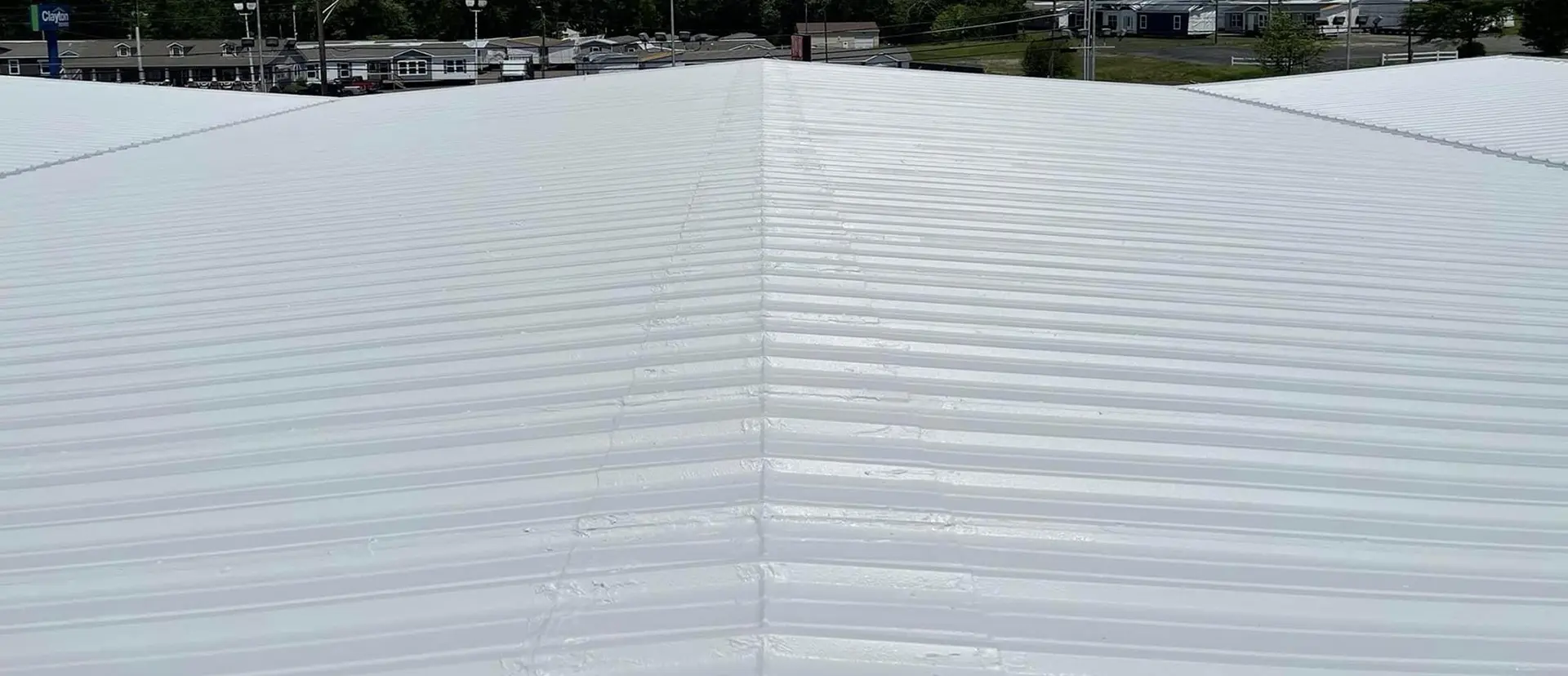
Metal Roof Restoration Minot, ND

Metal Roof Restoration Minot, ND 1

For commercial property owners in Minot, ND, protecting a building’s roof is a year-round challenge due to the region’s extreme and unpredictable weather patterns. From heavy snowfall and ice accumulation to high winds and summer temperature swings, roofing systems are constantly exposed to stress. This makes metal roof restoration an important solution for extending roof life and maintaining structural integrity without full replacement.

However, the success of any restoration project is heavily influenced by weather conditions before, during, and after application. Understanding these environmental factors helps ensure long-lasting results and prevents premature failure. Hi-Line Commercial Roofing provides professional metal roof restoration services designed to perform reliably in North Dakota’s demanding climate. To learn more or schedule an inspection in Minot, ND, contact Hi-Line Commercial Roofing at 701-621-0511 today.

Understanding Metal Roof Restoration and Its Purpose

Metal roof restoration is the process of repairing, cleaning, and applying protective coatings to an existing metal roofing system. Instead of replacing the entire roof, restoration focuses on improving performance, sealing vulnerabilities, and extending service life.

This approach is widely used in commercial buildings because it is cost-effective and less disruptive than full replacement. It also helps improve energy efficiency and corrosion resistance.

Key Goals of Restoration

  • Stop and prevent leaks
  • Reduce corrosion and rust damage
  • Improve energy efficiency through reflective coatings
  • Extend roof lifespan without replacement

While restoration is highly effective, its success depends significantly on weather conditions during the application process and throughout the roof’s future performance.

Why Weather Matters in Metal Roof Restoration

Metal Roof Restoration Minot, ND 2

Weather plays a critical role in determining how well restoration materials bond, cure, and perform over time. In regions like Minot, ND, where conditions can change rapidly, timing, and environmental awareness are essential.

Temperature and Coating Performance

Most restoration coatings require specific temperature ranges to cure properly. If applied in excessively cold conditions, coatings may not bond correctly to the metal surface. On the other hand, extreme heat can cause materials to dry too quickly, leading to uneven application or weak adhesion.

Proper temperature control ensures that coatings form a strong, durable protective layer.

Moisture and Surface Contamination

Moisture is one of the biggest challenges in metal roof restoration. Rain, snow, or even high humidity can interfere with coating adhesion. Additionally, trapped moisture under existing rust or debris can continue to spread corrosion beneath the restored surface.

That’s why thorough drying and surface preparation are essential before any restoration begins.

Wind Conditions During Application

High winds can disrupt spray or roller application methods, leading to uneven coating thickness. Wind can also carry dust and debris onto freshly prepared surfaces, compromising adhesion and finish quality.

Controlled application conditions help ensure a smooth and consistent protective layer.

How Seasonal Changes in Minot, ND Affect Restoration Outcomes

Minot experiences some of the most extreme seasonal variations in the region, making timing a key factor in restoration success.

Winter Challenges

Cold temperatures, ice buildup, and snow accumulation make winter one of the most difficult times for restoration work. Metal surfaces can contract, and coatings may not cure properly in freezing conditions.

Spring Thaw Issues

As snow melts, excess moisture can linger on roof surfaces. This creates challenges for adhesion and may delay restoration schedules until conditions stabilize.

Summer Heat Exposure

High summer temperatures can accelerate coating curing but may also cause application challenges if not carefully managed. Proper timing and material selection are essential.

Fall Preparation Window

Fall is often the most favorable season for metal roof restoration in Minot, ND. Moderate temperatures and lower precipitation levels provide ideal conditions for surface preparation and coating application.

Surface Preparation: The Most Weather-Sensitive Step

Before any restoration begins, proper surface preparation is required. This step is highly sensitive to weather conditions and directly impacts long-term performance.

Cleaning and Rust Removal

Metal roofs must be thoroughly cleaned to remove dirt, oxidation, and loose rust. Moisture or rain during this stage can delay progress or reintroduce contaminants.

Drying Requirements

Even small amounts of trapped moisture can compromise coating adhesion. Contractors must ensure the surface is completely dry before applying restoration materials.

Repairing Structural Weak Points

Seams, fasteners, and flashing must be inspected and repaired. Weather exposure often worsens these weak points, making pre-restoration repair essential.

Metal Roof Restoration Experts

For commercial property owners in Minot, ND, weather is one of the most significant factors affecting roof performance. Metal roof restoration offers an effective way to protect aging roofing systems, but only when environmental conditions are carefully considered.

From temperature and moisture to wind and seasonal changes, every weather factor plays a role in determining restoration success. Hi-Line Commercial Roofing specializes in evaluating these conditions and delivering restoration solutions designed for long-term durability in challenging climates. To schedule a professional assessment, contact Hi-Line Commercial Roofing at 701-621-0511 today.

FAQ

What is metal roof restoration?
It is the process of repairing and coating an existing metal roof to extend its lifespan and improve performance.

Why does weather matter in roof restoration?
Weather affects coating adhesion, curing time, and overall durability of the restored roof system.

Can metal roof restoration be done in winter?
It is generally not recommended because cold temperatures can prevent proper coating curing.

How long does a restored metal roof last?
When properly installed under ideal conditions, it can last many additional years with proper maintenance.

Commercial Roof Inspection Minot, ND

Commercial Roof Inspection Minot, ND 1

For commercial property owners in Minot, ND, roofing performance is constantly tested by some of the most extreme weather conditions in the region. Heavy snow, ice storms, strong winds, and rapid temperature swings all place significant stress on roofing systems throughout the year. Because of this, a commercial roof inspection becomes more than just routine maintenance, it becomes a critical evaluation influenced heavily by weather history and seasonal conditions.

Understanding how weather extremes affect inspection outcomes helps building owners interpret findings more accurately and make informed repair decisions. Hi-Line Commercial Roofing provides detailed inspection services designed to assess roof performance under North Dakota’s challenging climate conditions. To schedule a professional evaluation in Minot, ND, contact Hi-Line Commercial Roofing at 701-621-0511 today.

Why Weather Plays a Major Role in Commercial Roof Inspection

A commercial roof inspection is designed to evaluate the condition of a roofing system, but weather conditions can significantly influence both visible damage and hidden structural issues. In climates like Minot, ND, roofs experience stress that may not always be immediately visible during an inspection.

Seasonal Stress Accumulation

Each season contributes differently to roof wear:

  • Winter adds heavy snow loads and ice formation
  • Spring introduces melting cycles and moisture infiltration
  • Summer heat causes material expansion and contraction
  • Fall brings debris accumulation and drainage stress

These cycles gradually weaken roofing systems and directly affect what inspectors find during evaluations.

Commercial Roof Inspection Minot, ND 2

Delayed Damage Visibility

Some weather-related damage does not appear immediately. For example, small cracks caused by freezing temperatures may only become visible after repeated freeze-thaw cycles. This delay can make inspection results more complex to interpret.

How Extreme Cold Impacts Roof Inspection Findings

Minot winters are known for harsh conditions that significantly affect roofing materials. Cold temperatures play a major role in both damage formation and inspection accuracy.

Ice Expansion and Structural Stress

When water freezes on a roof, it expands. This expansion can widen seams, loosen fasteners, and create hidden fractures in roofing membranes. During a commercial roof inspection, these issues may appear as small surface defects but often indicate deeper structural concerns.

Snow Load Pressure

Heavy snow accumulation adds significant weight to commercial roofing systems. Over time, this pressure can cause slight structural sagging or stress points that inspectors must carefully evaluate.

Limited Access and Visibility

Snow and ice can sometimes restrict full roof access during inspections. In such cases, inspectors rely on partial evaluations or interior signs of damage such as ceiling stains or insulation moisture.

Cold weather conditions often require inspectors to interpret results with additional caution due to hidden or inaccessible damage.

How Heat and Summer Conditions Affect Commercial Roof Inspection Results

While winter is harsh, summer conditions also leave their mark on commercial roofs in Minot, ND. High temperatures can influence how damage is both formed and detected during inspections.

Thermal Expansion and Contraction

Roofing materials expand in heat and contract when temperatures drop. This constant movement can weaken seams, flashings, and membrane joints over time. During inspections, these stress points often appear as early signs of deterioration.

UV Radiation Damage

Prolonged sun exposure breaks down roofing materials, especially on flat or low-slope commercial roofs. UV damage may appear as cracking, fading, or surface brittleness.

Heat-Related False Indicators

In extreme heat, some roofing materials may temporarily soften or expand, making certain issues appear more severe than they are. Inspectors must distinguish between temporary heat effects and actual structural damage.

Wind, Storms, and Sudden Weather Events

Minot is also exposed to strong winds and sudden storms that can dramatically impact roof conditions.

Wind Uplift Damage

High winds can lift roofing membranes or loosen flashing systems. Even if the damage is not immediately visible, a commercial roof inspection may reveal subtle separation points that indicate wind stress.

Debris Impact

Storms often carry debris such as branches, gravel, or ice chunks that can puncture or scrape roofing surfaces. These impacts may create entry points for water infiltration.

Post-Storm Hidden Damage

Some storm-related damage is not visible from the surface. Moisture intrusion beneath membranes or insulation layers may only be detected during a detailed inspection process.

Weather events like these often require immediate post-storm evaluations to prevent long-term deterioration.

Why Weather History Matters in Inspection Reports

A high-quality commercial roof inspection does not only assess current conditions, but it also considers the roof’s exposure history. Understanding past weather events helps inspectors interpret damage patterns more accurately.

Identifying Repeated Stress Zones

Certain roof areas may show recurring damage due to wind direction, drainage issues, or sun exposure. Recognizing these patterns helps predict future vulnerabilities.

Differentiating Old vs. New Damage

Weather history helps inspectors determine whether damage is recent or part of a long-term deterioration process. This distinction is essential for repair planning.

Improving Maintenance Planning

By analyzing weather-related findings, building owners can create more effective maintenance strategies tailored to local climate conditions.

Commercial Roof Inspection Experts

Hi-Line Commercial Roofing provides detailed inspection services designed to evaluate roofing systems under real-world North Dakota weather conditions. To ensure your commercial roof is properly assessed and protected, contact Hi-Line Commercial Roofing at 701-621-0511 today.

FAQ

What does a commercial roof inspection include?
It includes evaluation of surface condition, drainage systems, flashing, structural integrity, and signs of water intrusion.

How does cold weather affect roof inspections?
Cold weather can hide or worsen damage such as cracks, ice expansion, and structural stress.

Can storm damage always be seen during inspections?
No, some storm-related issues like hidden moisture intrusion may require deeper inspection methods.

Why is weather history important in roof inspections?
It helps inspectors understand damage patterns and determine whether issues are new or long-term.

Spray Foam Roofing Minot, ND

Spray Foam Roofing Minot, ND 1

Spray foam roofing is a highly effective solution for protecting commercial buildings from water intrusion while improving energy efficiency and extending roof lifespan. Unlike traditional systems that rely on seams and fasteners, spray foam creates a seamless protective layer that conforms to complex roof shapes and performs well in harsh weather conditions.

Hi-Line Commercial Roofing installs spray foam roofing systems for properties in Minot, ND. Call 701-621-0511 to learn how this system can protect your building and improve long-term performance.

Spray foam roofing, also known as SPF, is applied as a liquid that expands into a solid, rigid foam. Once cured, it forms a continuous barrier across the roof surface, eliminating many common weak points. This application method makes it especially effective for preventing leaks and maintaining reliable protection in demanding commercial environments.

Spray Foam Roofing: A Seamless Waterproof Barrier

One of the primary reasons spray foam roofing is so effective at preventing leaks is its seamless application. Traditional roofing systems often rely on overlapping materials, seams, and mechanical fasteners. Over time, these joints can separate due to temperature changes, wind uplift, or structural movement, allowing water to enter the building.

Spray foam eliminates these vulnerabilities by forming a single, continuous membrane. When applied, the foam expands up to several times its original volume, filling cracks, gaps, and irregular surfaces. This expansion ensures that even hard-to-reach areas are fully sealed.

Once cured, the foam becomes rigid and water-resistant. However, it is typically protected with an elastomeric coating that enhances durability and UV resistance. This topcoat not only strengthens the waterproof barrier but also helps reflect sunlight, reducing surface temperatures and thermal stress.

For commercial buildings in Minot, ND, where seasonal weather changes can be extreme, this seamless protection significantly reduces the risk of leaks caused by freeze-thaw cycles, heavy snow loads, and wind-driven rain.

Leak Prevention Through Superior Adhesion and Flexibility

Spray Foam Roofing Minot, ND 2

Another major advantage of spray foam roofing is its ability to adhere directly to existing roof substrates. Unlike other roofing systems that may shift or detach over time, spray foam bonds tightly to materials such as metal, concrete, modified bitumen, and existing roofing membranes.

This strong adhesion plays a critical role in leak prevention. Because the foam is fully bonded, water cannot easily travel beneath the surface layer. Even if the roof experiences minor structural movement, the foam maintains its seal without cracking or separating.

In addition to adhesion, spray foam roofing offers exceptional flexibility. Buildings naturally expand and contract due to temperature fluctuations. In regions like Minot, ND, where winters are cold and summers can be warm, this thermal movement can place stress on traditional roofing materials.

Spray foam accommodates this movement without breaking its waterproof seal. It expands and contracts along with the building structure, maintaining continuous protection against moisture intrusion. This flexibility significantly reduces the likelihood of leak formation over time.

Energy Efficiency Benefits That Support Leak Protection

While leak prevention is a primary benefit, spray foam roofing also contributes to improved energy efficiency, which indirectly supports roof performance and durability.

Spray foam has one of the highest R-values of any roofing insulation material. This means it provides excellent resistance to heat transfer. By minimizing temperature fluctuations on the roof surface, spray foam reduces thermal expansion and contraction cycles that often lead to material fatigue and leaks.

Additionally, the reflective topcoat used in spray foam roofing systems helps reduce heat absorption. This keeps roof surfaces cooler during warmer months and reduces strain on HVAC systems inside the building.

For commercial property owners, this dual benefit, energy efficiency and leak prevention, translates into lower operating costs and fewer maintenance issues over time. In climates like Minot, ND, where energy demands can be high throughout the year, this performance advantage is especially valuable.

Why Spray Foam Roofing Is a Smart Choice for Leak Prevention

Spray foam roofing stands out as a highly effective solution for commercial leak prevention due to its seamless design, strong adhesion, flexibility, and energy efficiency. Unlike traditional roofing systems that rely on multiple components and vulnerable joints, spray foam creates a unified protective layer that adapts to environmental conditions and structural movement.

Spray Foam Roofing Experts

Spray foam roofing offers a forward-thinking approach for business owners looking to reduce maintenance costs and improve overall building performance. Its seamless design helps prevent leaks, improve insulation, and support long-term roof durability.

Hi-Line Commercial Roofing installs spray foam roofing systems for properties in Minot, ND. Call 701-621-0511 to protect your building with a seamless, energy-efficient solution designed to extend roof life and reduce maintenance needs.

FAQ

What makes spray foam roofing different from traditional roofing systems?
Spray foam roofing forms a seamless, fully adhered surface that eliminates joints and reduces common leak points.

Can spray foam roofing be applied over an existing roof?
Yes, it can often be installed over existing roofing systems if the substrate is properly prepared and structurally sound.

How does spray foam roofing prevent leaks?
It expands to fill gaps and creates a continuous waterproof barrier that blocks moisture intrusion.

Is spray foam roofing durable in extreme weather conditions?
Yes, it performs well in both hot and cold climates and adapts to temperature fluctuations without cracking or separating.

Commercial Roof Maintenance Minot, ND

Commercial Roof Maintenance Minot, ND 1

Commercial roof maintenance is essential for protecting commercial office buildings from weather-related damage and long-term deterioration. Consistent maintenance helps prevent small issues from turning into costly repairs, while supporting safe, uninterrupted daily operations. A proactive approach keeps roofing systems stable and reliable over time.

Hi-Line Commercial Roofing maintains commercial roofing systems for properties in Minot, ND. Call 701-621-0511 to support long-term roof performance and protect your building investment.

Office building roofs are exposed to ongoing environmental stress, including snow accumulation, ice buildup, wind, and UV exposure. Preventive maintenance helps preserve roof integrity, reduce risk of failure, and ensure the system continues to perform through changing conditions.

Commercial Roof Maintenance for Office Buildings

Office buildings typically have complex roofing systems that include HVAC units, ventilation systems, skylights, drainage channels, and insulation layers. Because of this complexity, commercial roof maintenance is not just about surface-level care, it involves managing multiple interconnected components.

One of the biggest risks for office buildings is water intrusion. Even a small leak can damage ceilings, disrupt electrical systems, and affect sensitive office equipment. Maintenance helps identify weak points before they become serious issues.

Another key concern is energy efficiency. Poor roof conditions can lead to heat loss in winter and heat gain in summer, increasing energy consumption. Proper maintenance ensures insulation remains effective and reflective surfaces perform as intended.

Additionally, office buildings often operate year-round with minimal downtime. Preventive maintenance reduces the likelihood of unexpected roof failures that could disrupt business operations or force temporary closures.

Core Best Practices for Effective Commercial Roof Maintenance

Commercial Roof Maintenance Minot, ND 2

Implementing structured maintenance practices ensures long-term protection for office building roofs. The following strategies are essential for maintaining performance and durability.

Routine Visual Inspections and Condition Monitoring

Regular inspections are the foundation of commercial roof maintenance. These evaluations help identify visible issues such as cracks, membrane wear, ponding water, and flashing deterioration. Early detection allows for small repairs before damage spreads.

In office buildings, rooftop equipment should also be inspected closely, as HVAC systems and vents often create vulnerable penetration points.

Drainage System Maintenance

Proper drainage is critical for flat roofs. Clogged roof drains can lead to standing water, increasing the risk of leaks and structural stress. Maintenance teams should regularly clear debris such as leaves, dirt, and ice buildup to keep water flowing properly.

In regions like Minot, ND, where snow and ice are common, drainage systems should be monitored closely during seasonal transitions to prevent blockages.

Seam and Flashing Protection

Seams and flashing are among the most vulnerable areas of any commercial roof. These components are responsible for sealing transitions around edges, vents, and rooftop structures. Over time, temperature changes and structural movement can weaken these seals.

Best maintenance practices include resealing compromised areas and reinforcing flashing materials before leaks develop.

Seasonal Maintenance Strategies for Office Buildings

Seasonal changes in Minot, ND, create additional challenges for commercial roofing systems. Office building owners should adjust maintenance practices throughout the year to account for weather-related stress.

Winter Considerations

Snow accumulation and ice formation can place heavy loads on roofing systems. Ice dams may also block drainage paths, leading to water backup. Winter maintenance focuses on safe snow removal and monitoring for freeze-related damage.

Spring Maintenance Focus

After winter, roofs should be inspected for damage caused by ice expansion and melting cycles. Spring is an ideal time to check drainage systems and repair any weather-related wear.

Summer and UV Protection

Heat and sunlight can cause roofing materials to expand and degrade. Maintenance during warmer months ensures coatings remain intact and reflective properties are maintained.

Fall Preparation

Fall maintenance is essential for preparing roofs for winter. Removing leaves, inspecting drainage systems, and sealing vulnerable areas helps prevent cold-weather damage.

Long-Term Benefits of Consistent Commercial Roof Maintenance

Investing in regular commercial roof maintenance provides significant long-term advantages for office building owners. These benefits include:

  • Extended roof lifespan through preventive care
  • Reduced repair and replacement costs
  • Improved energy efficiency and lower utility bills
  • Fewer operational disruptions for tenants and employees
  • Enhanced property value and structural reliability

Rather than reacting to roofing problems after they occur, a proactive maintenance strategy ensures consistent performance and predictable expenses. For office buildings, this stability is essential for smooth business operations.

Commercial Roof Maintenance Experts

Prioritizing maintenance helps property owners turn their roofing system into a long-term asset that supports overall building performance. A consistent approach to care reduces risk, improves reliability, and helps avoid costly disruptions over time.

Hi-Line Commercial Roofing performs commercial roof maintenance for properties in Minot, ND. Call 701-621-0511 to protect your building and maintain long-term roofing performance with expert support tailored to your needs.

FAQ

Why is commercial roof maintenance important for office buildings?
It helps prevent leaks, improves energy efficiency, and ensures uninterrupted business operations.

What are the most common roofing issues in office buildings?
Common issues include drainage problems, seam deterioration, flashing damage, and membrane wear.

Can maintenance reduce long-term roofing costs?
Yes, preventive maintenance minimizes major repairs and extends roof lifespan, reducing overall expenses.

Does weather in Minot, ND affect roof maintenance needs?
Yes, seasonal changes like snow, ice, and temperature fluctuations require regular maintenance adjustments.

Spray Foam Insulation Rugby, ND

Spray Foam Insulation Rugby, ND 1

Commercial building owners in Rugby, ND, understand the importance of maintaining energy efficiency and structural integrity, especially in the face of harsh seasonal conditions. Hi-Line Commercial Roofing specializes in spray foam insulation, a high-performance solution designed to reduce energy costs and enhance building durability. For businesses looking to protect their investment, call 701-621-0511 today to discuss professional spray foam insulation services.

Spray foam insulation is a versatile material applied to walls, roofs, and other building surfaces. It expands upon application, sealing gaps and creating an airtight barrier. While spray foam is highly durable, regular inspections and maintenance are crucial for ensuring its longevity and performance. Proper care can prevent common issues such as shrinkage, cracks, or moisture infiltration, keeping commercial buildings in Rugby, ND, energy-efficient and well-protected.

Understanding Spray Foam Insulation

Spray foam insulation comes in two primary types: open-cell and closed-cell.

Open-Cell Spray Foam: Flexible and lightweight, this type is ideal for interior walls and areas where soundproofing is important. Its lower density allows for expansion, but it has less resistance to water and air infiltration than closed-cell foam.

Closed-Cell Spray Foam: Denser and more rigid, closed-cell foam offers superior insulation and moisture resistance, making it ideal for commercial roofs, exterior walls, and areas exposed to extreme weather.

The science behind spray foam insulation lies in its ability to expand and fill gaps, forming a continuous barrier that prevents air leakage and thermal bridging. For commercial buildings in Rugby, ND, this means consistent indoor temperatures, reduced energy consumption, and protection against external environmental stresses.

Inspecting Spray Foam Insulation

Spray Foam Insulation Rugby, ND 2

Regular inspections are a key component of maintaining spray foam insulation. Business owners or maintenance teams should focus on the following areas:

  • Visual Assessment: Look for cracks, voids, or areas where the foam has pulled away from surfaces. These gaps can compromise energy efficiency and allow moisture intrusion.
  • Check for Water Damage: Stains or discoloration on the foam may indicate leaks or condensation problems. Closed-cell foam is water-resistant, but damaged areas should be addressed promptly.
  • Examine Edges and Corners: These are common weak points where foam may shrink over time. Ensuring the foam remains tightly adhered prevents air leaks and heat loss.
  • Thermal Imaging: For larger commercial buildings, infrared cameras can help detect areas where insulation performance is compromised. This technique identifies hidden gaps or cold spots that are not visible to the naked eye.

Routine inspections help detect small issues before they escalate, maintaining the effectiveness and lifespan of spray foam insulation in commercial buildings.

Maintenance Tips for Longevity

Maintaining spray foam insulation requires careful attention to prevent damage and preserve performance. Commercial building owners in Rugby, ND, should consider the following strategies:

  • Avoid Physical Damage: Ensure that mechanical systems, tools, or foot traffic do not damage the foam surface. Closed-cell foam is more resilient, but repeated impacts can create cracks or dents.
  • Seal Damaged Areas Promptly: Any cracks or gaps discovered during inspections should be repaired with compatible spray foam or sealants to restore insulation integrity.
  • Protect Against UV Exposure: For exposed exterior surfaces, applying a protective coating prevents degradation caused by sunlight.
  • Monitor for Moisture Intrusion: Even though closed-cell spray foam resists water, any leaks in roofing or walls can affect insulation performance. Address roof leaks or water infiltration immediately to prevent foam deterioration.

By combining proactive inspections with these maintenance practices, commercial building owners in Rugby, ND, can maximize the return on investment in spray foam insulation while ensuring energy efficiency and durability.

Spray Foam Insulation Experts

Spray foam insulation is a powerful solution for enhancing commercial building performance, but its longevity depends on proper care. For businesses in Rugby, ND, maintaining insulation integrity through inspections, timely repairs, and preventive measures is essential for cost savings and structural protection. Hi-Line Commercial Roofing provides expert guidance, installation, and maintenance for spray foam insulation systems. Call 701-621-0511 today to secure your commercial property with reliable, long-lasting insulation.

FAQ

What makes spray foam insulation effective for commercial buildings?
Its ability to expand and seal gaps creates a continuous barrier against air leaks and heat loss.

Can spray foam insulation handle extreme weather conditions?
Yes, especially closed-cell foam, which resists moisture, wind, and temperature fluctuations.

How do I repair damaged spray foam insulation?
Small cracks or voids can be filled with compatible spray foam sealants to restore performance.

Does spray foam insulation improve energy efficiency?
Yes, by preventing air leakage and thermal bridging, it reduces heating and cooling costs.

Flat Roof Replacement Rugby, ND

Flat Roof Replacement Rugby, ND 1

Commercial building owners in Rugby, ND, face unique challenges when maintaining flat roofing systems. Over time, exposure to harsh weather, UV radiation, and thermal fluctuations can compromise the integrity of a roof, making flat roof replacement essential for protecting the building’s structure.

Hi-Line Commercial Roofing specializes in commercial flat roof replacement, offering expertise and quality service for businesses in Rugby, ND. For consultations or service inquiries, call 701-621-0511 today.

Flat roof replacement involves more than simply removing an old roof and installing a new one. A systematic approach, from inspection to installation, ensures that the new roof provides long-term durability, energy efficiency, and protection against environmental elements. Understanding each step helps commercial property owners make informed decisions and maximize the lifespan of their investment.

Flat Roof Replacement 101: From Inspection to Installation

Comprehensive Roof Inspection

Before considering a flat roof replacement, a thorough inspection is critical. Commercial building owners should evaluate the roof’s current condition to identify structural issues and material degradation. Key inspection elements include:

  • Membrane Condition: Check for cracks, blisters, or punctures in the existing roofing membrane. These are often signs of wear or water damage.
  • Drainage and Ponding: Flat roofs are susceptible to water pooling, which can accelerate deterioration. Proper evaluation ensures the new system addresses drainage concerns.
  • Structural Integrity: Assess the supporting deck for rot, sagging, or water damage. Any compromised sections must be repaired before replacement.
  • Insulation Performance: Evaluate whether the existing insulation is adequate or requires upgrading to improve energy efficiency.

Professional roof inspections not only identify immediate problems but also help determine the most suitable materials and replacement strategy for the building.

Choosing the Right Flat Roof System

Flat Roof Replacement Rugby, ND 2

Selecting the right roofing system is crucial for commercial buildings in Rugby, ND. Flat roof replacement options include:

TPO (Thermoplastic Polyolefin): A highly reflective, energy-efficient membrane that resists UV damage and chemical exposure. Ideal for commercial buildings looking to reduce cooling costs.

EPDM (Ethylene Propylene Diene Monomer): Durable and flexible, EPDM is resistant to weathering and ideal for extreme temperature variations.

Modified Bitumen: Asphalt-based membranes reinforced with fibers, offering excellent durability and waterproofing for commercial flat roofs.

Each system has unique benefits, and the choice depends on factors such as building design, climate considerations, and long-term maintenance preferences. Working with a professional roofing contractor ensures the selection aligns with both structural needs and energy efficiency goals.

Professional Flat Roof Replacement Installation

Once the inspection and material selection are complete, professional installation ensures the longevity and performance of the new roof. The process typically involves:

  • Removal of the Existing Roof: Old materials are safely removed, and the surface is cleaned and prepared for the new installation.
  • Repair and Reinforcement: Any damaged decking or insulation is repaired or replaced to provide a solid foundation for the new roof.
  • Installation of the New Membrane: Roofing materials are installed according to manufacturer specifications, ensuring seamless coverage, proper adhesion, and adequate drainage.
  • Quality Assurance and Final Inspection: The new roof is inspected to verify that all seams, flashings, and edges are properly sealed, reducing the risk of leaks and future damage.

Professional installation guarantees that the flat roof replacement provides optimal protection, durability, and energy efficiency for years to come.

Maintenance Considerations After Replacement

Even with a new flat roof, ongoing maintenance is key to maximizing its lifespan. For commercial building owners in Rugby, ND, this includes:

  • Monitoring for debris accumulation that can obstruct drainage
  • Promptly addressing minor damage to prevent larger issues
  • Ensuring proper cleaning and inspection of membranes, seams, and flashings

By combining quality replacement with routine maintenance, building owners can protect their investment and reduce long-term repair costs.

Flat Roof Replacement Experts

Flat roof replacement is a critical investment for commercial properties, especially in regions like Rugby, ND, where weather extremes can accelerate roof wear. By following a systematic process, from thorough inspection to professional installation, businesses can ensure their flat roofs remain durable, energy-efficient, and reliable. Hi-Line Commercial Roofing is committed to guiding commercial property owners through every step of the flat roof replacement process. Call 701-621-0511 today to discuss your roofing project and secure a long-lasting solution for your building.

FAQ

How do I know if my flat roof needs replacement?
Signs include persistent leaks, membrane damage, ponding water, and deterioration of insulation or decking.

Which flat roof systems are best for energy efficiency?
TPO membranes are highly reflective and energy-efficient, helping reduce cooling costs in commercial buildings.

Can flat roof replacement prevent future leaks?
Yes, professional installation with quality materials ensures proper sealing and drainage to minimize leaks.

Are flat roof replacements suitable for all commercial buildings?
Flat roof replacements can be tailored to most commercial structures, but professional assessment ensures proper material selection and installation.

Commercial Roof Repair Rugby, ND

Commercial Roof Repair Rugby, ND 1

Commercial roof repair is essential for maintaining a strong and reliable roofing system that protects your property, assets, and daily operations. Harsh weather conditions can accelerate wear and tear, leading to leaks, structural damage, and costly issues if not addressed early. Understanding how weather impacts your roof helps you plan timely maintenance and avoid unexpected disruptions.

Hi-Line Commercial Roofing handles commercial roof repair for properties in Rugby, ND. Call 701-621-0511 for expert guidance and solutions tailored to your building’s needs.

How Weather Impacts the Need for Commercial Roof Repair

Commercial roofs face unique challenges compared to residential roofs due to their larger surface areas, flat designs, and heavier use. Weather is a major factor influencing roof longevity and performance. Some of the most common weather-related impacts include:

Heavy Snow and Ice: Rugby, ND, experiences cold winters with significant snowfall. Accumulated snow and ice can add extreme weight to flat or low-slope roofs, stressing the structural supports and leading to sagging or leaks. Ice dams at roof edges can trap water and damage membranes or flashings.

High Winds: Strong gusts can lift roofing materials, damage seams, or tear off protective coatings. This is particularly critical for older roofs or those with weakened fasteners.

Rain and Moisture: Prolonged exposure to heavy rainfall can expose weak points in the roof, leading to ponding water, membrane deterioration, and leaks that compromise interior spaces.

UV Radiation and Temperature Fluctuations: Even during clear weather, UV rays and temperature swings cause expansion and contraction of roofing materials. Over time, this can result in cracks, brittleness, or seam separation, especially in older commercial roofs.

Being aware of these factors helps building owners anticipate repairs and protect their investments proactively.

Common Commercial Roof Problems Caused by Weather

Commercial Roof Repair Rugby, ND 2

Weather-related stress can manifest in various ways, each requiring professional repair:

Leaks and Moisture Intrusion

Water is one of the most damaging elements a commercial roof faces. Heavy rain, melting snow, and trapped ice can work their way into cracks or compromised areas, leading to leaks. Once water gets in, it can damage insulation, ceiling systems, and even equipment inside the building, turning a small issue into a much larger problem.

Membrane Damage

Flat roofs often use membranes such as TPO, EPDM, or PVC. High winds, hail, and UV exposure can cause tears, blistering, or seam failure. Regular inspections can identify these issues early, preventing more severe damage.

Structural Stress and Sagging

Accumulated snow and ice create additional load on roof structures. Without proper drainage or reinforcement, roofs may begin to sag, leading to stress fractures and potential collapse in extreme cases. Addressing structural stress promptly is vital for safety and continued operations.

Preventative Measures and Repairs

While some weather damage is unavoidable, there are steps commercial property owners can take to minimize risks and extend roof lifespan:

  • Routine Inspections: Scheduled inspections by experienced professionals help detect early signs of damage caused by weather exposure.
  • Timely Repairs: Addressing small leaks, membrane tears, or flashing issues promptly prevents larger problems that can disrupt business operations.
  • Protective Coatings: Applying reflective or waterproof coatings can shield membranes from UV damage and moisture penetration.
  • Snow and Ice Management: Removing excessive snow accumulation and ensuring proper drainage reduces structural stress and water intrusion.

Working with a professional commercial roofing company ensures that repairs are completed safely and effectively, preventing further weather-related damage.

Choosing the Right Commercial Roof Repair Partner

Selecting an experienced roofing company is crucial for businesses in Rugby, ND, dealing with weather-induced roof issues. A professional contractor like Hi-Line Commercial Roofing can assess your roof’s condition, recommend necessary repairs, and implement long-lasting solutions. Key benefits of hiring an expert include:

  • Accurate diagnosis of weather-related damage
  • Quality repairs that extend roof life
  • Preventative strategies to minimize future issues
  • Compliance with building codes and warranty requirements

Engaging a trusted roofing partner allows business owners to focus on operations while ensuring the roof remains a reliable barrier against the elements.

Commercial Roof Repair Experts

Weather plays a significant role in the health of commercial roofs, from heavy snow and ice to wind, rain, and UV exposure. For businesses in Rugby, ND, understanding these impacts and taking proactive measures can prevent costly damage and operational disruptions. Regular inspections, timely repairs, and professional expertise are essential for maintaining a safe, energy-efficient, and long-lasting roof. For expert commercial roof repair, contact Hi-Line Commercial Roofing to protect your Rugby, ND investment and ensure your building stays secure through all weather conditions. Call the team at 701-621-0511.

FAQ

What types of commercial roofs are most vulnerable to weather damage?
Flat or low-slope roofs with older membranes are typically most susceptible to leaks, ponding water, and wind damage.

Can weatherproof coatings extend the life of my commercial roof?
Yes. Protective coatings help resist UV damage, moisture intrusion, and membrane deterioration.

How quickly should I address a leak caused by weather?
Immediate attention is recommended to prevent structural damage, interior water damage, and mold growth.

Are commercial roof repairs covered by insurance for weather damage?
Many insurance policies cover weather-related roof damage, but coverage varies; it’s best to consult your provider and a professional roofing contractor.

Commercial Roof Coating Rugby, ND

Commercial Roof Coating Rugby, ND 1

Protecting your building from leaks, UV damage, and weather-related wear is essential for maintaining operations and long-term property value. Commercial roof coating offers a cost-effective solution that helps extend roof life while addressing common roofing issues before they become more serious.

Hi-Line Commercial Roofing provides commercial roof coating services for properties in Rugby, ND. Call 701-621-0511 to get expert guidance and professional installation that protects your building and improves roof performance.

Damage Addressed with Commercial Roof Coating

Commercial roof coatings are liquid-applied membranes that create a seamless, protective layer over your existing roof. They are typically made from silicone, acrylic, or polyurethane materials and are designed to reflect sunlight, resist water penetration, and protect the roof from physical and environmental stressors.

Unlike traditional roof replacements, applying a roof coating is less disruptive to building operations, making it ideal for commercial properties where downtime is costly. A properly applied coating not only extends the life of the roof but also enhances energy efficiency by reflecting UV rays, reducing cooling costs during hot summer months.

Common Roof Problems Addressed by Coatings

Commercial Roof Coating Rugby, ND 2

Commercial roofs face several challenges over time, many of which can be mitigated or resolved with the right coating:

Leaks and Water Intrusion

One of the most common issues for commercial buildings is water intrusion. Cracks, seam failures, or punctures in the roof membrane can allow water to seep in, causing interior damage and structural concerns. Commercial roof coatings create a waterproof barrier that seals minor cracks and reinforces existing roofing materials, preventing leaks from developing or worsening.

UV and Weather Damage

Rugby, ND, experiences a range of weather conditions, including intense sunlight, rain, and snow. Over time, UV radiation can degrade roofing membranes, leading to brittleness and premature aging. Roof coatings provide a reflective layer that protects against UV exposure, reduces thermal stress, and minimizes expansion and contraction caused by temperature fluctuations.

Energy Inefficiency

Older or poorly insulated roofs can contribute to high energy costs, as they allow heat to escape during winter or accumulate heat during summer. Reflective roof coatings increase energy efficiency by reflecting sunlight and lowering surface temperatures, which reduces the load on HVAC systems and helps maintain a consistent interior climate.

Benefits of Commercial Roof Coating

Investing in a commercial roof coating offers numerous advantages beyond immediate problem-solving:

  • Extended Roof Lifespan: By protecting your existing roof from environmental damage, coatings can add years to its functional life.
  • Cost Savings: Applying a coating is significantly more affordable than a full roof replacement while preventing costly water and structural damage.
  • Minimal Disruption: Coatings can often be applied without interrupting daily business operations, unlike extensive replacement projects.
  • Eco-Friendly: Many roof coatings are reflective and reduce energy consumption, contributing to lower carbon emissions.

Partnering with a professional contractor ensures that the coating is applied evenly, with proper surface preparation and adherence to manufacturer guidelines for optimal performance.

Choosing the Right Commercial Roof Coating

Selecting the right type of coating depends on your roof material, climate conditions, and building needs. Acrylic coatings are durable and cost-effective, offering excellent UV resistance. Silicone coatings excel in areas with standing water, providing superior waterproofing. Polyurethane coatings are ideal for high-traffic or mechanically stressed roofs due to their toughness and abrasion resistance.

A qualified commercial roofing contractor like Hi-Line Commercial Roofing can evaluate your system and recommend the right solution for your building in Rugby, ND. Proper application helps ensure reliable protection, improved energy efficiency, and long-term performance.

Reliable Commercial Roof Coating

Commercial roof coatings are a versatile and cost-effective solution for common roofing issues such as leaks, UV damage, ponding water, and energy inefficiency. When applied correctly, coatings help protect the building, extend roof lifespan, and reduce long-term maintenance costs.

Hi-Line Commercial Roofing delivers commercial roof coating solutions for properties in Rugby, ND. Call 701-621-0511 to protect your building with a durable, energy-efficient system designed for long-term performance.

FAQ

Can a roof coating fix a severely damaged roof?
Roof coatings are best for minor to moderate damage; severely compromised roofs may require partial repair or replacement before coating.

How long does a commercial roof coating typically last?
High-quality coatings generally last 10–20 years depending on material, weather conditions, and maintenance.

Are commercial roof coatings energy-efficient?
Yes. Reflective coatings reduce roof temperatures, lowering cooling costs and improving building energy efficiency.

Can a roof coating prevent leaks entirely?
While coatings significantly reduce leaks, regular inspections and maintenance are still recommended to ensure ongoing protection.

Fabric Reinforced Systems Rugby, ND

Fabric Reinforced Systems Rugby, ND 1

Commercial roofing systems must withstand harsh weather, temperature fluctuations, and long-term wear. For property owners in Rugby, ND, finding a durable and cost-effective solution is essential. One option that continues to gain attention is commercial fabric reinforced systems. These systems provide enhanced protection, flexibility, and longevity for a variety of roof types. With expert installation from Hi-Line Commercial Roofing (701) 621-0511, businesses can take advantage of a reliable roofing solution designed to perform in demanding conditions.

Understanding Commercial Fabric Reinforced Systems

Commercial fabric reinforced systems are advanced roofing solutions that combine liquid applied coatings with a durable reinforcing fabric. This combination creates a seamless, flexible membrane that strengthens the existing roof while improving its ability to resist damage.

Unlike traditional roofing systems that rely on seams and fasteners, fabric reinforced systems form a continuous surface across the roof. This seamless design reduces the risk of leaks and provides consistent protection against moisture intrusion.

Hi-Line Commercial Roofing works with property owners in Rugby, ND to assess their current roofing system and determine if a fabric reinforced solution is the right fit.

How These Systems Work

Fabric Reinforced Systems Rugby, ND 2

The process of installing a commercial fabric reinforced system involves several key steps. Each stage is designed to ensure proper adhesion, durability, and long-term performance.

First, the roof is thoroughly inspected to identify any existing damage. Areas with leaks, cracks, or structural concerns are addressed before the system is applied. This preparation stage is critical for ensuring the effectiveness of the final product.

Next, the roof surface is cleaned to remove dirt, debris, and contaminants. A clean surface allows the coating to bond properly with the existing material.

Once the roof is prepared, a base layer of liquid coating is applied. While this layer is still wet, a reinforcing fabric is embedded into the coating. This fabric acts as a strengthening layer that enhances the system’s durability and flexibility.

After the fabric is in place, additional coating layers are applied over the top. These layers fully encapsulate the fabric, creating a seamless and waterproof membrane. The result is a strong, flexible surface that can expand and contract with temperature changes.

Hi-Line Commercial Roofing ensures each step is completed with precision, delivering high quality results for commercial properties in Rugby.

Key Benefits of Fabric Reinforced Systems

One of the biggest advantages of commercial fabric reinforced systems is their ability to prevent leaks. The seamless design eliminates common failure points such as seams and joints, which are often the source of water intrusion.

These systems are also highly flexible, allowing them to adapt to building movement and temperature changes. This flexibility reduces the risk of cracking and extends the life of the roof.

Durability is another important benefit. The reinforcing fabric adds strength to the roofing system, making it more resistant to damage from weather, foot traffic, and environmental stress.

For businesses in Rugby, ND, where weather conditions can be extreme, these benefits make fabric reinforced systems a practical and reliable choice.

Ideal Applications for Commercial Properties

Commercial fabric reinforced systems can be applied to a variety of roof types, including metal, single ply membranes, and modified bitumen. They are particularly effective for restoring aging roofs that are still structurally sound but showing signs of wear.

This makes them an excellent option for property owners looking to avoid the cost and disruption of a full roof replacement. Instead of tearing off the existing roof, the reinforced system is applied directly over it, saving time and reducing waste.

Hi-Line Commercial Roofing helps businesses evaluate their roofing systems and determine whether restoration with a fabric reinforced system is the best solution.

Energy Efficiency and Sustainability

In addition to structural benefits, fabric reinforced systems can improve energy efficiency. Many coatings used in these systems have reflective properties that reduce heat absorption. This helps maintain a more consistent indoor temperature and can lower energy costs.

By extending the life of the existing roof, these systems also reduce the amount of material sent to landfills. This makes them an environmentally responsible choice for commercial property owners.

Fabric Reinforced Systems

Commercial fabric reinforced systems offer a modern solution for protecting and extending the life of commercial roofs. By combining liquid coatings with durable fabric reinforcement, these systems create a seamless, flexible, and long-lasting membrane.

For businesses in Rugby, ND, partnering with Hi-Line Commercial Roofing at (701) 621-0511 ensures that installation is managed with expertise and diligence. Their experience with local conditions and roofing systems allows them to deliver solutions that stand up to the region’s demands.

Investing in a fabric reinforced system can help reduce maintenance costs, improve performance, and provide long term protection for your commercial property.

FAQ

How long do commercial fabric reinforced systems last
With proper maintenance, these systems can last 10 to 20 years or more depending on environmental conditions and usage.

Can fabric reinforced systems be applied over existing roofs
Yes, they are commonly used as a restoration solution and can be applied over many existing roofing materials.

Are fabric reinforced systems suitable for harsh climates
Yes, their flexibility and durability make them well suited for areas with extreme temperature changes and severe weather.

Commercial Roofing Contractor Rugby, ND

Commercial Roofing Contractor Rugby, ND 1

Choosing the right commercial roofing contractor is essential for protecting your property and ensuring long term performance. In a climate like Rugby, ND, where roofs must withstand harsh winters, intense winds, and seasonal temperature changes, collaborating with an experienced professional is even more important. A dependable contractor like Hi-Line Commercial Roofing (701) 621-0511 provides a full range of services designed to keep your roof in excellent condition throughout its lifespan.

Commercial Roofing Contractor Services

Understanding what services to expect from a professional commercial roofing contractor can help you make informed decisions and avoid costly issues down the road.

Comprehensive Roof Inspections

One of the most important services offered by a commercial roofing contractor is thorough roof inspections. Regular inspections help identify potential problems before they become major concerns. Contractors evaluate key areas such as membranes, seams, flashing, drainage systems, and structural components.

In Rugby, ND, inspections are especially important due to extreme weather conditions that can accelerate wear and tear. Hi-Line Commercial Roofing provides detailed assessments that give property owners a clear understanding of their roof’s condition and any necessary next steps.

Commercial Roof Installation

A professional commercial roofing contractor should offer expert installation services for a variety of roofing systems. This includes materials such as TPO, EPDM, metal, and modified bitumen. Proper installation is critical for ensuring durability, energy efficiency, and long-term performance.

Hi-Line Commercial Roofing works closely with businesses in Rugby to select the best roofing system for their specific needs. Their team ensures that each installation is completed with precision, following industry standards and manufacturer guidelines.

Roof Repair Services

Commercial Roofing Contractor Rugby, ND 2

Even the most durable roofs can develop issues over time. A qualified commercial roofing contractor provides repair services to address leaks, damaged membranes, loose fasteners, and other common problems.

Timely repairs are essential for preventing further damage and maintaining the integrity of the roof. Hi-Line Commercial Roofing offers prompt and reliable repair services, helping businesses in Rugby minimize disruptions and avoid costly complications.

Preventative Maintenance Programs

Preventative maintenance is a key service that sets professional contractors apart. A maintenance program includes routine inspections, cleaning, and minor repairs to keep the roof in optimal condition.

Regular maintenance helps extend the lifespan of the roof and reduces the likelihood of unexpected failures. In Rugby’s demanding climate, Hi-Line Commercial Roofing provides customized maintenance plans that address seasonal challenges and ensure year-round protection.

Roof Restoration Solutions by Commercial Roofing Contractor

For roofs that are aging but still structurally sound, restoration can be a cost-effective alternative to replacement. Commercial roofing contractors offer restoration services such as coatings and fabric reinforced systems to improve performance and extend roof life.

Hi-Line Commercial Roofing specializes in restoration solutions that help Rugby businesses avoid the expense and disruption of full roof replacement. These systems provide added durability, waterproofing, and energy efficiency.

Emergency Roofing Services

Severe weather can cause sudden and significant roof damage. A professional commercial roofing contractor should be prepared to manage emergency situations quickly and effectively.

Emergency services may include temporary repairs to prevent further damage, followed by permanent solutions once conditions allow. Hi-Line Commercial Roofing responds promptly to emergencies in Rugby, ND, helping businesses protect their property and resume normal operations as soon as possible.

Drainage System Management

Proper drainage is essential for maintaining a commercial roof. Standing water can lead to leaks, structural damage, and reduced roof lifespan. Contractors should inspect and maintain drainage systems, including gutters, downspouts, and internal drains.

Hi-Line Commercial Roofing ensures that drainage systems are functioning properly, reducing the risk of water-related issues, and improving overall roof performance.

Detailed Reporting and Documentation by Commercial Roofing Contractor

A professional commercial roofing contractor provides clear documentation of inspections, repairs, and maintenance activities. These reports help property owners track the condition of their roof and plan for future needs.

Documentation is also valuable for warranty compliance and insurance purposes. Hi-Line Commercial Roofing delivers detailed reports that give Rugby business owners confidence in their roofing investment.

Commercial Roofing Contractor

A professional commercial roofing contractor offers a comprehensive range of services, from inspections and installation to repairs, maintenance, and restoration. These services work together to protect your property, extend roof lifespan, and reduce long term costs.

For businesses in Rugby, ND, partnering with Hi-Line Commercial Roofing (701) 621-0511 ensures access to expert care and reliable solutions tailored to local conditions. Investing in professional roofing services today helps safeguard your building and supports long-term success.

FAQ

How often should I hire a commercial roofing contractor for inspections
Most commercial roofs should be inspected at least twice a year and after major storms to identify potential issues early.

What is the benefit of a maintenance program from a roofing contractor
Maintenance programs help prevent costly repairs, extend roof lifespan, and ensure consistent performance throughout the year.

Can a contractor help decide between repair and replacement
Yes, a professional contractor evaluates the roof’s condition and recommends the most cost-effective solution based on your needs.