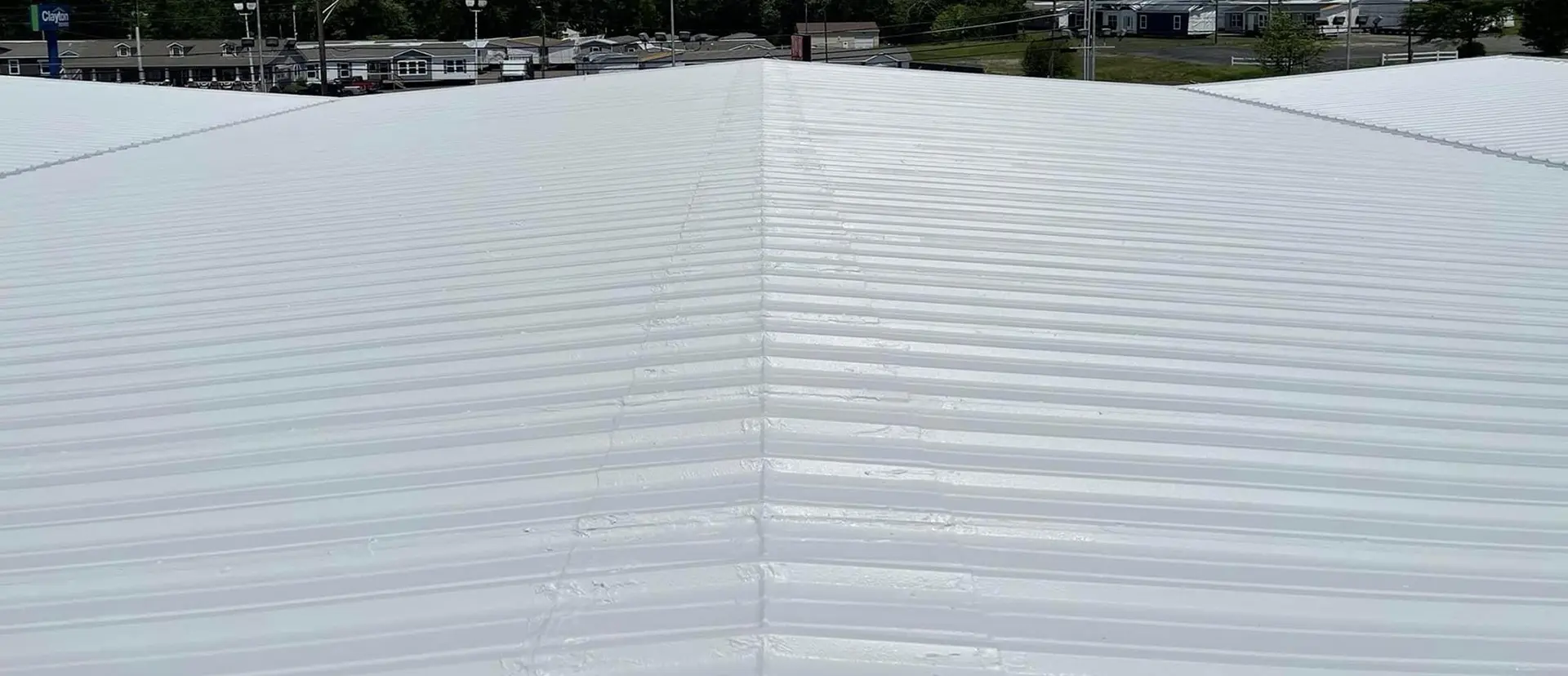

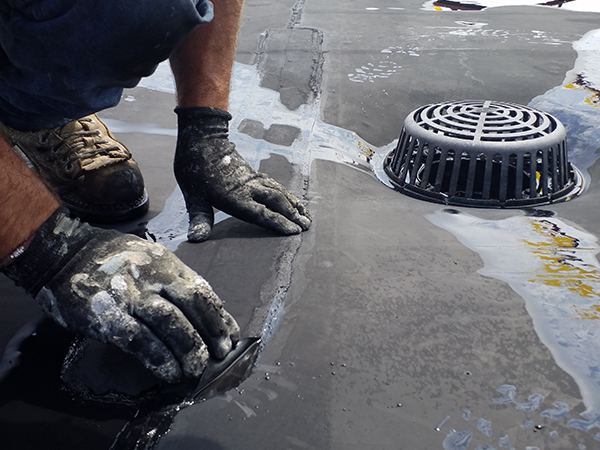
Commercial flat roofs are designed to withstand years of exposure to weather, temperature swings, and daily wear. However, even a well-built roofing system can develop problems over time. If you have noticed a ceiling stain, standing water on the roof, or visible membrane damage, understanding the cause can help you make informed decisions before a small issue becomes a major expense. Flat roof repair helps commercial property owners address localized roofing problems before they spread and lead to premature roof replacement.
For related commercial roofing guidance in Watford City, see Roof restoration in Watford City.
Call Hi-Line Commercial Roofing at (701) 621-0511 for flat roof repair in Watford City, ND.
Common Flat Roof Repair Issues
Many commercial roof problems begin with conditions that are easy to overlook. Ponding water is one of the most common examples. While flat roofs are designed to drain, low spots can develop over time and allow water to remain on the surface for extended periods. Standing water gradually accelerates membrane deterioration and increases the likelihood of leaks.
Seam separation is another frequent issue. Roofing membranes are installed in sections, and the seams connecting those sections are often the first areas to experience wear. As a roof expands and contracts through seasonal temperature changes, those seams can begin to pull apart and create pathways for water intrusion.
Property owners may also notice blistering, which appears as raised areas within the membrane. Blisters can form when moisture or air becomes trapped beneath the roofing surface. While not every blister immediately causes leaks, they can weaken the membrane and make future damage more likely.
How Flat Roof Problems Are Diagnosed
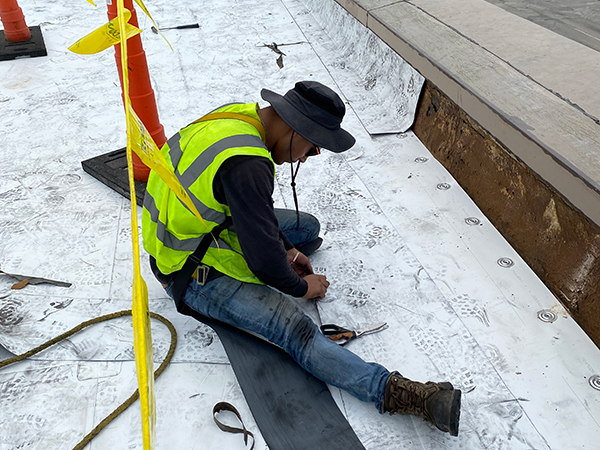
The first step in any repair project is identifying the actual source of the problem. Water can travel beneath a roofing membrane before becoming visible inside the building, which means the leak location is not always directly above the interior stain.
A roofing inspection typically begins with a detailed evaluation of the membrane surface. Contractors look for punctures, cracks, open seams, and signs of membrane shrinkage. Shrinkage occurs when roofing materials contract over time, placing additional stress on seams, flashing, and attachment points.
Flashing receives special attention during the inspection process. Flashing is the material installed around roof penetrations, equipment curbs, vents, and transitions. These areas experience constant movement and weather exposure, making them common leak sources. Drainage systems are also inspected to determine whether blocked drains or scuppers are contributing to water accumulation.
In North Dakota, freeze-thaw cycling often accelerates roof deterioration. Water that enters a small seam opening during the fall can freeze, expand, and gradually widen the opening throughout the winter. By spring, what began as a minor defect may have developed into a much larger repair issue.
Flat Roof Repair Solutions for Common Failures
The appropriate repair depends on the condition and location of the damage. Open seams are often repaired by cleaning the affected area and restoring the waterproof connection between membrane sections. Proper surface preparation plays a major role in the longevity of these repairs.
Flashing failures typically require reinforcement or replacement of damaged components around penetrations and roof edges. Addressing flashing issues early can prevent water from reaching insulation layers beneath the roof surface.
Punctures caused by maintenance traffic, dropped tools, or windborne debris are generally repaired through localized patching methods. These repairs restore the integrity of the membrane without affecting surrounding roof areas.
Drainage-related repairs may involve clearing obstructions, correcting low spots, or repairing membrane damage caused by prolonged exposure to standing water. When addressed promptly, these repairs can significantly extend the life of the existing roofing system.
Why Early Flat Roof Repair Matters
Many commercial roof failures begin as relatively minor problems. A small seam opening, flashing defect, or puncture may seem manageable initially, but exposure to weather can quickly increase the scope of damage.
Early repairs help prevent moisture from reaching insulation and structural components. Once water enters deeper portions of the roofing assembly, repair costs often increase because additional materials may require replacement.
Addressing problems while they remain localized also improves the likelihood that the existing roof can continue performing for years without requiring full replacement. For many building owners, timely repair is one of the most cost-effective ways to protect a roofing investment.
Protecting Your Commercial Roof Investment
Commercial flat roofs rarely fail without warning. Ponding water, water stains, membrane damage, and drainage issues are all signs that the roof deserves attention. Understanding these warning signs and acting promptly can help prevent larger problems and preserve the value of the existing roofing system.
For flat roof repair in Watford City, ND contact Hi-Line Commercial Roofing at (701) 621-0511 today.
FAQ
How do I know if my flat roof needs repair or full replacement?
Roofs with isolated damage, localized leaks, and generally sound membranes are often good candidates for repair. Replacement may become necessary when seam failures are widespread, insulation is saturated across large areas, drainage issues cannot be corrected, or the roof has reached the end of its service life. A professional inspection is the most reliable way to determine the appropriate solution.
What causes most flat roof leaks on commercial buildings?
Common causes include seam separation, flashing failures around penetrations and curbs, ponding water, punctures from foot traffic or debris, and blocked drainage systems. In North Dakota, freeze-thaw cycles can accelerate seam and flashing deterioration by expanding small openings over time.
How long does a flat roof repair take, and will it disrupt building operations?
Many localized repairs can be completed in a single day, while larger seam repairs or membrane section replacements may require two to three days. Because most repair work is performed from the exterior of the building, normal business operations can often continue throughout the project.