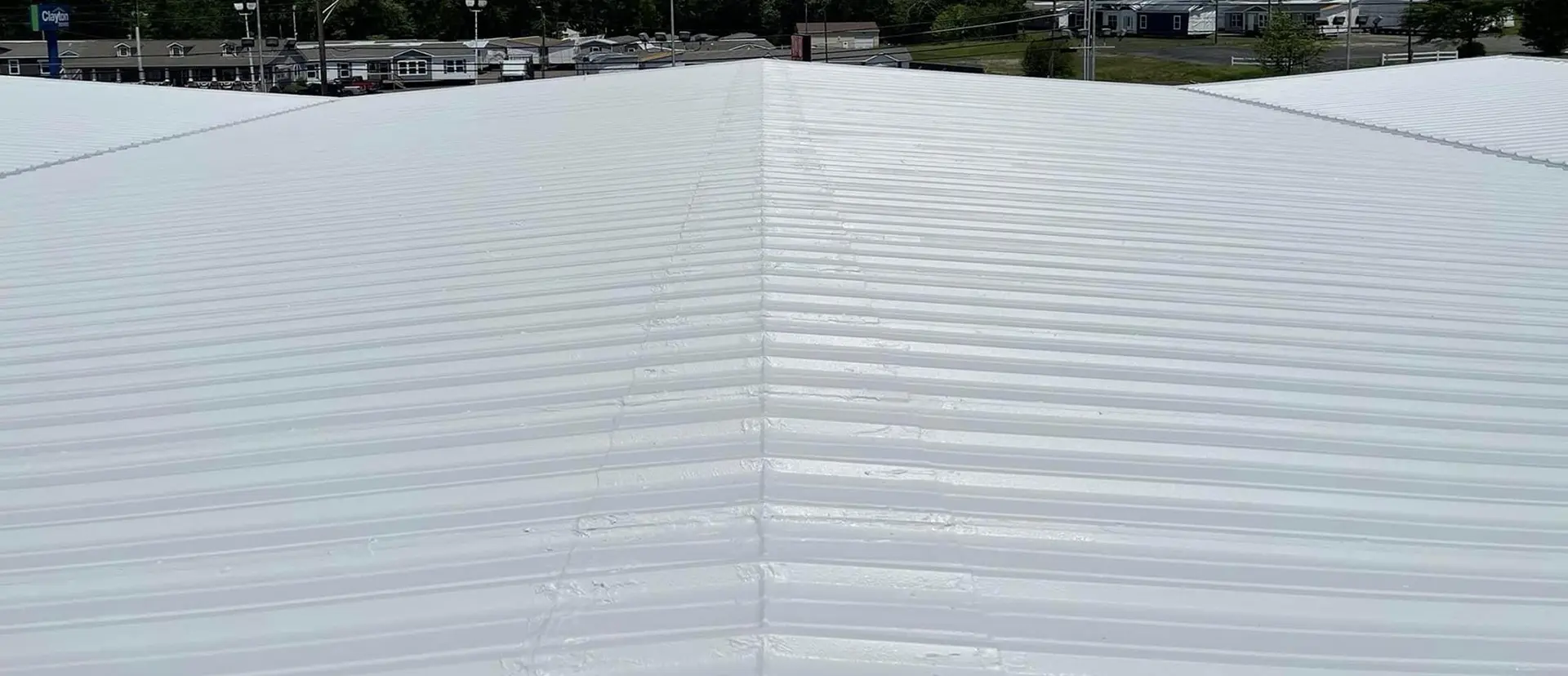

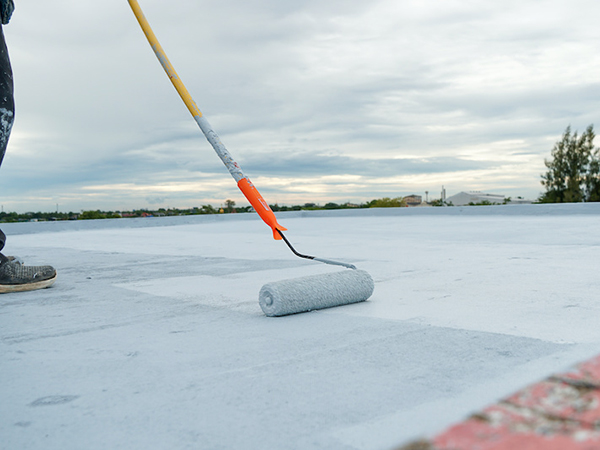
Watford City’s commercial and agricultural buildings often rely on large, low-slope roofing systems that are expensive to replace once they reach the end of their service life. For many property owners, the decision comes down to whether to invest in a full tear-off or explore roof restoration as a way to extend the life of the existing roof.
Roof restoration helps Watford City building owners extend the service life of aging roofing systems through fluid-applied coating solutions instead of full replacement. Call Hi-Line Commercial Roofing at (701) 621-0511 for roof restoration in Watford City, ND.
Roof Restoration vs Full Roof Replacement
When a commercial roof begins to age, two primary paths typically emerge: restoration or replacement. Both aim to solve the same problem, but the method and impact on operations are very different.
Roof replacement involves removing the existing roofing system down to the structural deck. This includes tearing off the membrane, insulation, and any failed components before installing a completely new system. It is a major construction project that often requires significant labor, disposal costs, and longer timelines.
Roof restoration takes a different approach by working with the existing roofing system. When the membrane is still structurally sound and the insulation is dry, a fluid-applied coating system can be installed over the roof surface. This approach restores weather resistance and seals minor vulnerabilities without the disruption of a full tear-off.
In Watford City, where many large facilities serve industrial, energy, and agricultural operations, the difference between these two paths can significantly affect both budget planning and downtime.
Roof Restoration Cost and Disruption Differences
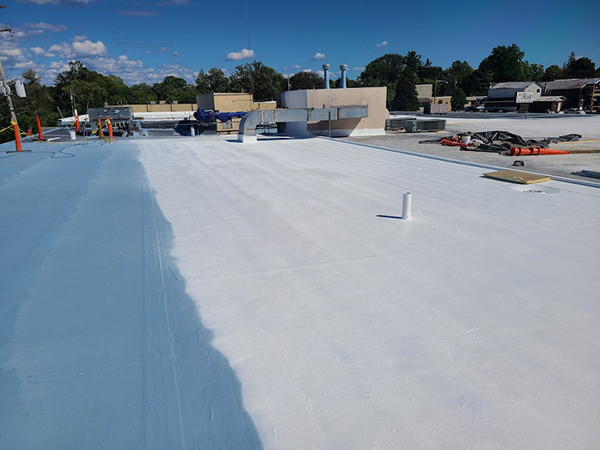
Cost is often the first consideration when comparing restoration and replacement. Full roof replacement requires extensive material removal, disposal fees, new insulation in many cases, and complete system installation. These factors combine to make it one of the largest capital expenses a building owner will face.
Roof restoration is generally less expensive because it does not require removing the existing roofing system. Instead, the existing membrane is cleaned, prepared, and coated with a protective layer. Acrylic coatings are often used in drier conditions due to their reflective and cost-effective properties, while silicone coatings are better suited for roofs that experience ponding water and need long-term UV resistance.
The difference in disruption is also important. Replacement projects can involve heavy equipment, staging areas, and extended exposure of the building interior if sections are removed in phases. Restoration is typically less invasive and can often be completed while the building remains fully operational, which is particularly valuable for facilities that cannot afford downtime.
For many Watford City property owners, especially those managing large agricultural storage or industrial buildings, restoration provides a way to control costs without interrupting core operations.
Roof Restoration Suitability and Process
Not every roof qualifies for restoration. The condition of the existing system determines whether coating can be applied effectively. The most important requirement is that the existing membrane must still be structurally sound. If the surface is stable and not experiencing widespread failure, restoration may be a viable option.
Moisture testing is often used to determine whether insulation beneath the roof is dry. Saturated insulation cannot be corrected through coating alone and may require targeted replacement before any restoration work begins. This step is critical because trapped moisture can compromise long-term performance.
Once a roof is deemed suitable, the process begins with thorough surface preparation. The existing roof is cleaned to remove dirt, oxidation, and debris so the coating can properly adhere. Seams, transitions, and flashing areas are reinforced to address common failure points before the coating layer is applied.
Acrylic coatings provide a reflective surface that helps reduce heat absorption, while silicone coatings offer strong resistance to standing water and UV exposure. The choice depends on roof conditions and how the building handles drainage.
Roof Restoration Long-Term Value
One of the most significant advantages of roof restoration is the ability to extend service life in measurable increments. Rather than committing to a full replacement cycle, property owners can maintain and renew the roof over time through periodic recoating, as long as the underlying structure remains sound.
This approach is especially relevant in Watford City, where large commercial and agricultural roofs represent substantial investments. Restoration allows owners to defer replacement costs while still maintaining a protective roofing system that meets operational needs.
Coated roofs can often be recoated at the end of their service life, effectively renewing protection without restarting the entire roofing lifecycle. This creates a long-term maintenance pathway that spreads costs more evenly over time.
Choosing Between Roof Restoration and Replacement
The decision between restoration and replacement depends on the condition of the existing roof and the long-term goals of the property owner. Restoration works best when the roof structure is still sound but showing signs of aging. Replacement becomes necessary when deterioration is widespread or moisture has compromised large sections of the system.
A professional inspection, including moisture analysis, is typically required to make an accurate determination. Understanding the condition of the existing roof helps ensure that the chosen solution aligns with both performance needs and financial planning.
For roof restoration in Watford City, ND contact Hi-Line Commercial Roofing at (701) 621-0511 today.
FAQ
What is roof restoration, and how is it different from a roof replacement?
Roof restoration involves applying a fluid-applied coating system over an existing roof that is still structurally sound, sealing seams and extending service life without removing the roof. Replacement requires full removal of the existing system down to the deck and installing a new roof assembly.
How do I know if my roof qualifies for restoration instead of replacement?
Qualification depends on the condition of the existing membrane, the level of moisture in the insulation, and the overall age and performance of the system. Dry insulation and a stable membrane are key indicators. A professional inspection with moisture scanning is required for an accurate assessment.
Can a restored roof be recoated again at the end of the coating warranty?
Yes. Many restoration systems allow recoating at the end of the warranty period, which renews protection and extends the roof’s service life further. This makes restoration a repeatable long-term maintenance strategy when the underlying roof remains in good condition.