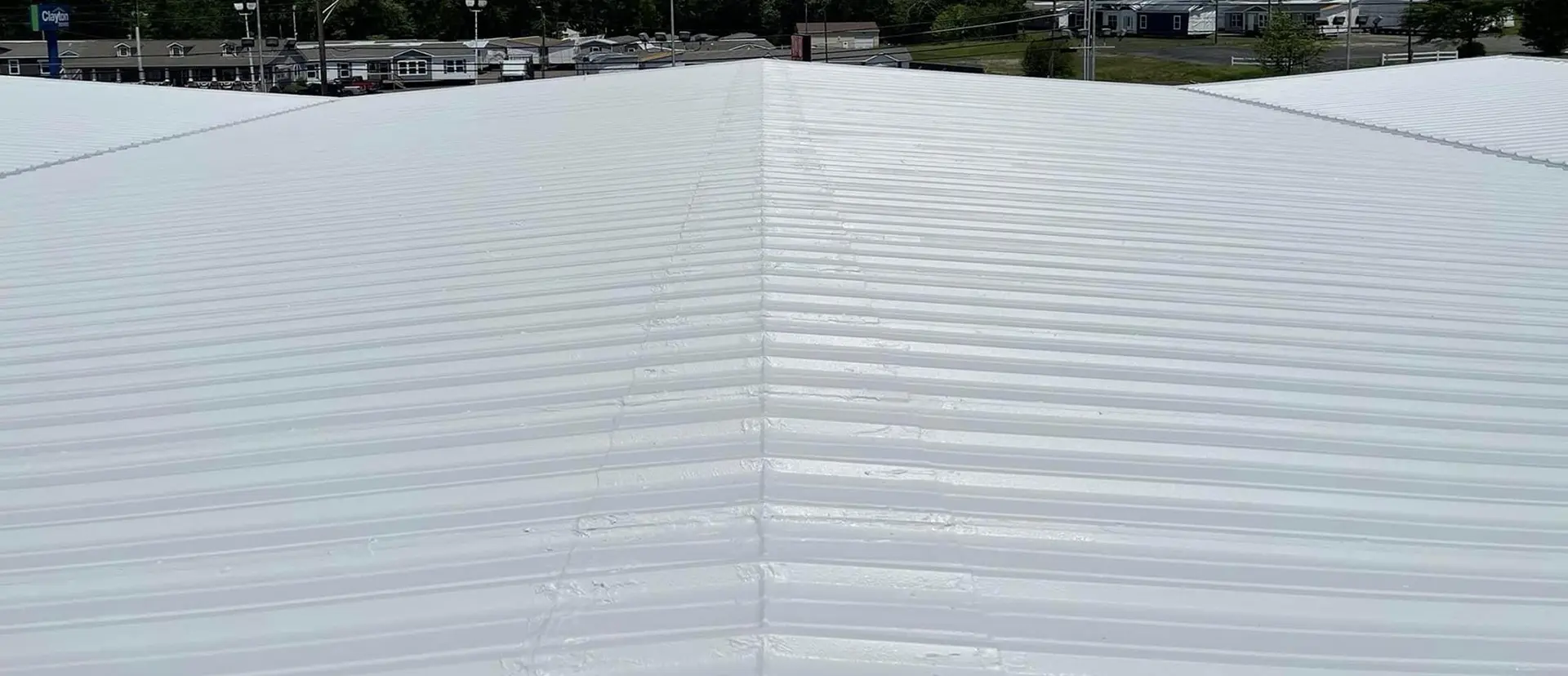

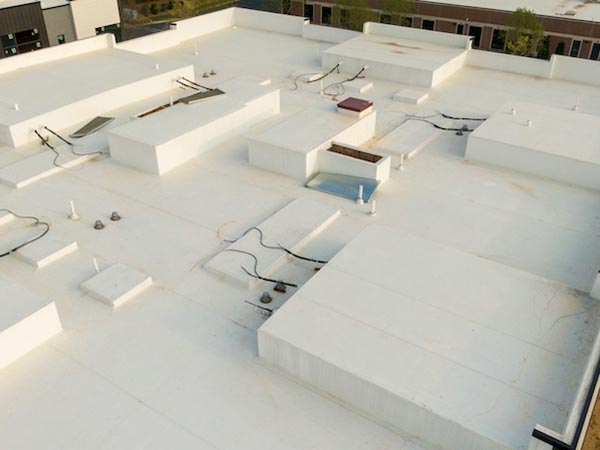
Commercial property owners in Williston, ND have several proven membrane roofing systems to choose from when installing or replacing a flat roof. TPO roofing is one of the leading commercial roofing systems because it balances durability, energy efficiency, and reliable seam performance while competing closely with EPDM and PVC membranes. The right choice depends on how the building is used, the local climate, and long-term maintenance goals.
For related commercial roofing guidance in Williston, see Roof restoration in Williston.
Call Hi-Line Commercial Roofing at (701) 621-0511 for TPO roofing in Williston, ND.
Comparing TPO Roofing to Other Commercial Membrane Systems
Thermoplastic polyolefin, commonly known as TPO, is a single ply roofing membrane designed for flat and low slope commercial roofs. Its seams are heat welded, creating a continuous bond that resists moisture infiltration and performs well through North Dakota’s freeze and thaw cycles.
Ethylene propylene diene monomer, or EPDM, is a synthetic rubber membrane that has been used successfully on commercial buildings for decades. Unlike TPO, EPDM seams are joined using adhesive or specialized seam tape.
Polyvinyl chloride, better known as PVC, is another thermoplastic membrane with heat welded seams similar to TPO. PVC offers many of the same waterproofing advantages while providing additional resistance to chemicals and grease, making it a common choice for buildings with specialized operational needs.
TPO Roofing Performs Well in Williston’s Climate
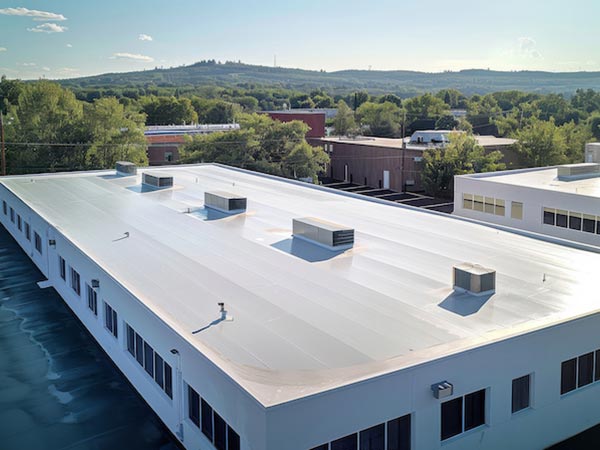
Commercial buildings throughout the Bakken region experience demanding weather conditions throughout the year. Winter temperatures regularly fall well below freezing, while summers bring extended sunshine, high temperatures, and occasional severe storms.
The heat welded seams used in TPO roofing help create a continuous waterproof surface that remains durable during repeated temperature changes. This seam construction reduces the opportunity for water intrusion while supporting long term membrane performance.
Another advantage is reflectivity. Most TPO membranes feature a light-colored surface that reflects a significant amount of solar radiation. During Williston’s sunny summer months, this reflective surface helps reduce heat absorption by the roof, contributing to improved indoor comfort and potentially reducing cooling demands.
EPDM also performs well in cold climates because its flexible rubber composition tolerates low temperatures. Traditional black EPDM absorbs more solar heat than reflective TPO, although white EPDM products are also available for projects where reflectivity is a priority.
PVC provides reflective performance similar to TPO while offering enhanced resistance to chemicals. For buildings without exposure to grease or industrial chemicals, however, TPO often delivers comparable performance at a lower overall installation cost.
Selecting the Right Roofing System for Your Building
The intended use of a commercial building often plays a significant role in membrane selection. Warehouses, office buildings, retail centers, and service facilities throughout Williston frequently benefit from TPO roofing because it combines reliable waterproofing with energy efficient performance.
Facilities that process food or contain rooftop exhaust with grease exposure often benefit from PVC due to its superior chemical resistance. Industrial operations with unique rooftop contaminants may also find PVC to be the preferred solution.
EPDM continues to serve many commercial buildings successfully, particularly when long term durability and cold weather flexibility are priorities. Building owners familiar with rubber roofing systems often appreciate its proven track record and dependable performance when maintained properly.
TPO Roofing Provides Long Term Value
Like any commercial roofing system, TPO delivers its best performance when installation quality and ongoing maintenance receive appropriate attention. Proper drainage, routine inspections, and prompt repair of minor damage all contribute to extending the membrane’s service life.
With professional installation and regular maintenance, TPO roofing commonly provides 20 to 30 years of dependable protection. Similar service lives are achievable with EPDM and PVC as well, demonstrating that long term success depends on both the roofing material and the quality of care it receives throughout its lifespan.
Willison TPO Roofing Professionals
Selecting the right commercial roofing system begins with understanding how each membrane performs under local conditions. TPO offers an excellent combination of seam strength, energy efficiency, and durability that makes it a strong option for many commercial buildings throughout Williston.
For TPO roofing in Williston, ND, contact Hi-Line Commercial Roofing at (701) 621-0511 today.
FAQ
How does TPO compare to EPDM for a commercial flat roof in North Dakota?
TPO uses heat welded seams that form a continuous waterproof bond, while EPDM relies on adhesive or tape seams. Both perform well in cold climates, but TPO’s welded seams provide additional protection during frequent freeze and thaw cycles.
Is TPO or PVC the better choice for commercial buildings?
Both systems feature reflective surfaces and heat welded seams. PVC is often preferred where chemicals or grease contact the roof, while TPO is an excellent choice for warehouses, offices, retail buildings, and many other commercial properties.
What is the typical lifespan of a TPO roof?
A professionally installed and properly maintained TPO roof typically lasts between 20 and 30 years. Membrane thickness, seam quality, drainage, maintenance, and rooftop traffic all influence long term performance.