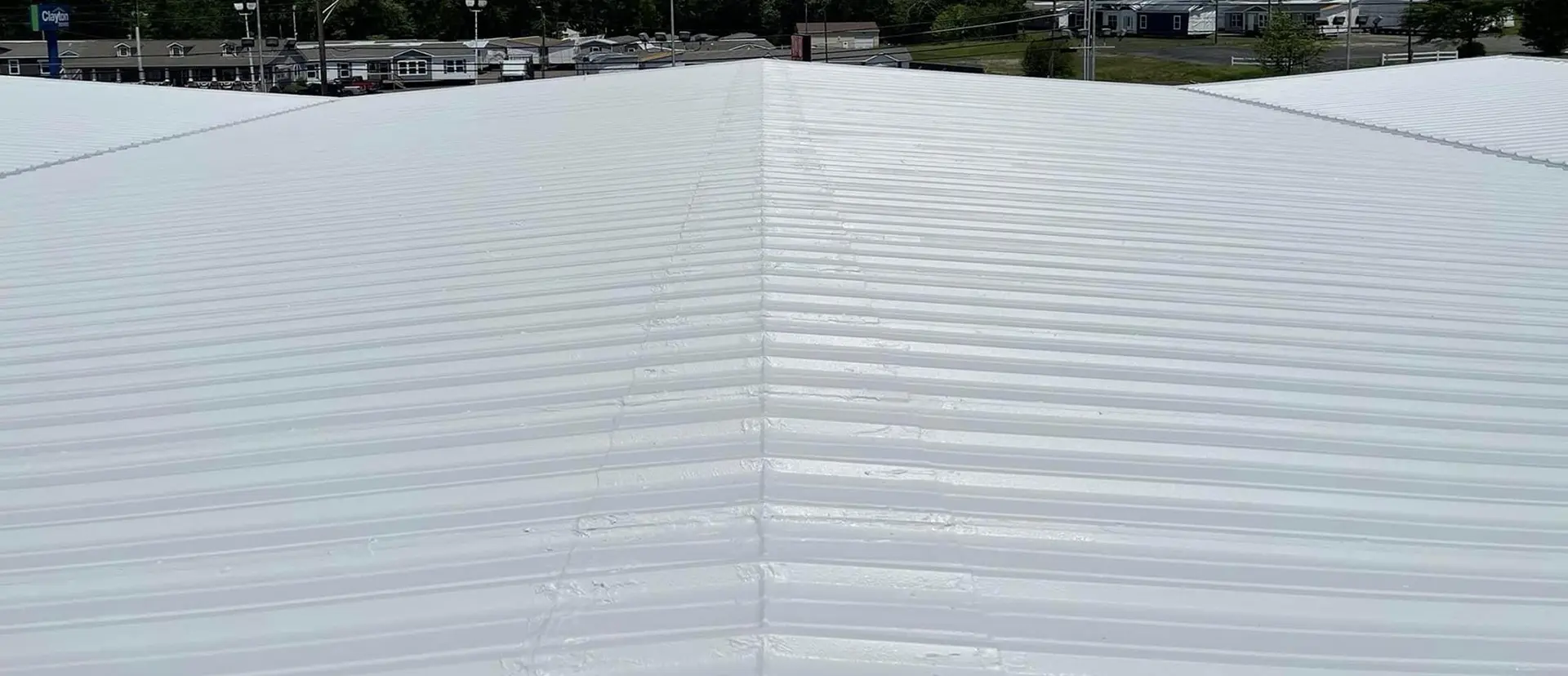

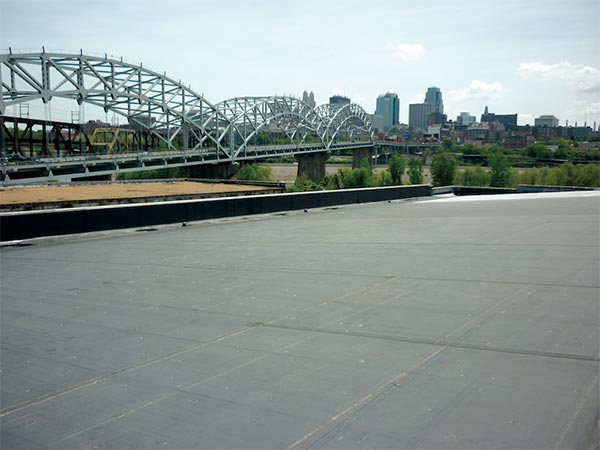
Commercial building owners in Williston, ND need roofing systems that can withstand harsh winters, strong winds, summer heat, and years of weather exposure. Ethylene propylene diene monomer, commonly called EPDM roofing, has earned a reputation for long term durability because of its synthetic rubber construction and proven performance in demanding climates. When properly installed and maintained, an EPDM roof can provide reliable protection for decades.
Call Hi-Line Commercial Roofing at (701) 621-0511 for EPDM roofing in Williston, ND.
EPDM Roofing Is Known for Long Service Life
EPDM roofing has been installed on commercial buildings for decades because of its ability to tolerate changing weather conditions without losing flexibility. The synthetic rubber membrane resists ozone exposure, ultraviolet radiation, and temperature extremes, all of which contribute to its reputation as one of the longest lasting flat roofing systems available.
Commercial buildings throughout Williston experience below zero winter temperatures, strong prairie winds, hail, and warm summer afternoons. EPDM roofing remains flexible during cold weather, allowing the membrane to move with the building as temperatures fluctuate. This flexibility helps reduce stress on the roofing system over many years of service.
Many well-maintained EPDM roofs provide 20 to 30 years of dependable protection, and some continue performing even longer when inspections and maintenance are completed consistently.
Seam Integrity Plays a Major Role in EPDM Roofing Performance
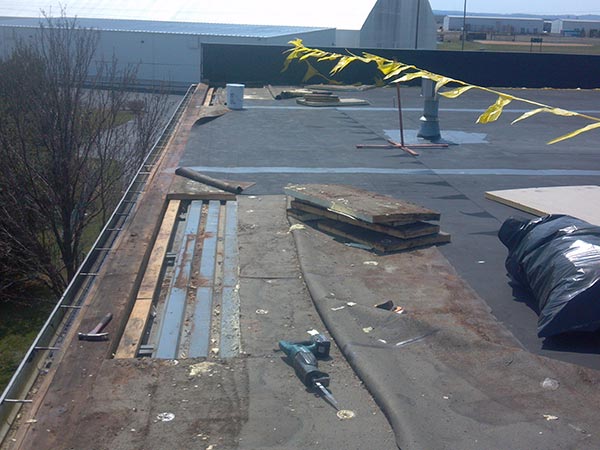
The membrane itself is highly durable, but the long-term performance of EPDM roofing also depends on the condition of its seams. Unlike thermoplastic roofing systems that use heat welded seams, EPDM panels are joined with adhesive or specialized seam tape.
Over many years of expansion and contraction, these seams experience continual movement. Routine inspections help identify areas where adhesives may begin to age or where seams require maintenance before moisture reaches the insulation beneath the membrane.
Flashing around rooftop equipment, parapet walls, skylights, and penetrations should also be evaluated regularly. These transition points naturally experience movement and weather exposure, making them common locations for maintenance as the roof ages.
By addressing seam and flashing concerns early, building owners help preserve the waterproof integrity of the roofing system while extending its useful life.
Protecting the Lifespan of an EPDM Roof
Routine maintenance is one of the most effective ways to maximize the lifespan of EPDM roofing. Professional inspections allow developing concerns to be identified while they are still localized and easier to address.
Drainage also plays an important role in long term performance. Leaves, dirt, and debris can obstruct drains and allow water to remain on flat roofs after storms or snowmelt. Keeping drainage systems functioning properly will help reduce prolonged moisture exposure across the roofing surface.
Foot traffic should also be managed carefully. Service technicians accessing rooftop HVAC equipment or other mechanical systems can unintentionally damage the membrane. Installing designated traffic paths in high use areas helps reduce unnecessary wear while protecting the roof from punctures.
Regular documentation of the roof’s condition provides valuable information about how the system is aging and supports maintenance planning over the life of the building.
Knowing When Repair, Restoration, or Replacement Is Appropriate
An aging EPDM roof does not automatically require replacement. Many systems remain excellent candidates for localized repairs or restoration when the membrane remains structurally sound and the insulation beneath it stays dry.
Professional evaluations often include moisture detection methods that help determine whether water has entered the insulation layer. If damage is limited to isolated seams or flashing details, targeted repairs may significantly extend the roof’s service life.
Replacement generally becomes the preferred option when widespread seam failure, extensive membrane shrinkage, saturated insulation, or structural deck deterioration affects a large portion of the roofing system.
Williston EPDM Roofing Experts
EPDM roofing continues to be one of the most dependable commercial roofing systems available because of its durability, flexibility, and long service life. With regular inspections and proper maintenance, commercial building owners can protect their investment while extending roof performance for many years.
For EPDM roofing in Williston, ND, contact Hi-Line Commercial Roofing at (701) 621-0511 today.
FAQ
How long does an EPDM roof last on a commercial building?
A professionally installed EPDM roof typically lasts between 20 and 30 years, and well-maintained systems may continue performing for more than 35 years. Installation quality, seam condition, drainage, maintenance, and rooftop traffic all influence lifespan.
What shortens the life of an EPDM roof and how can building owners avoid those issues?
Common factors include aging seams, punctures from rooftop traffic, clogged drains that create ponding water, and deteriorated flashing. Routine inspections, proper drain maintenance, traffic protection, and timely repairs help prevent these issues from reducing roof life.
When should an EPDM roof be repaired instead of replaced?
Roofs with localized seam issues or limited membrane damage often qualify for repairs or restoration if the insulation remains dry and the roof deck is structurally sound. Widespread moisture intrusion or extensive membrane deterioration generally indicates replacement is the better long-term option.