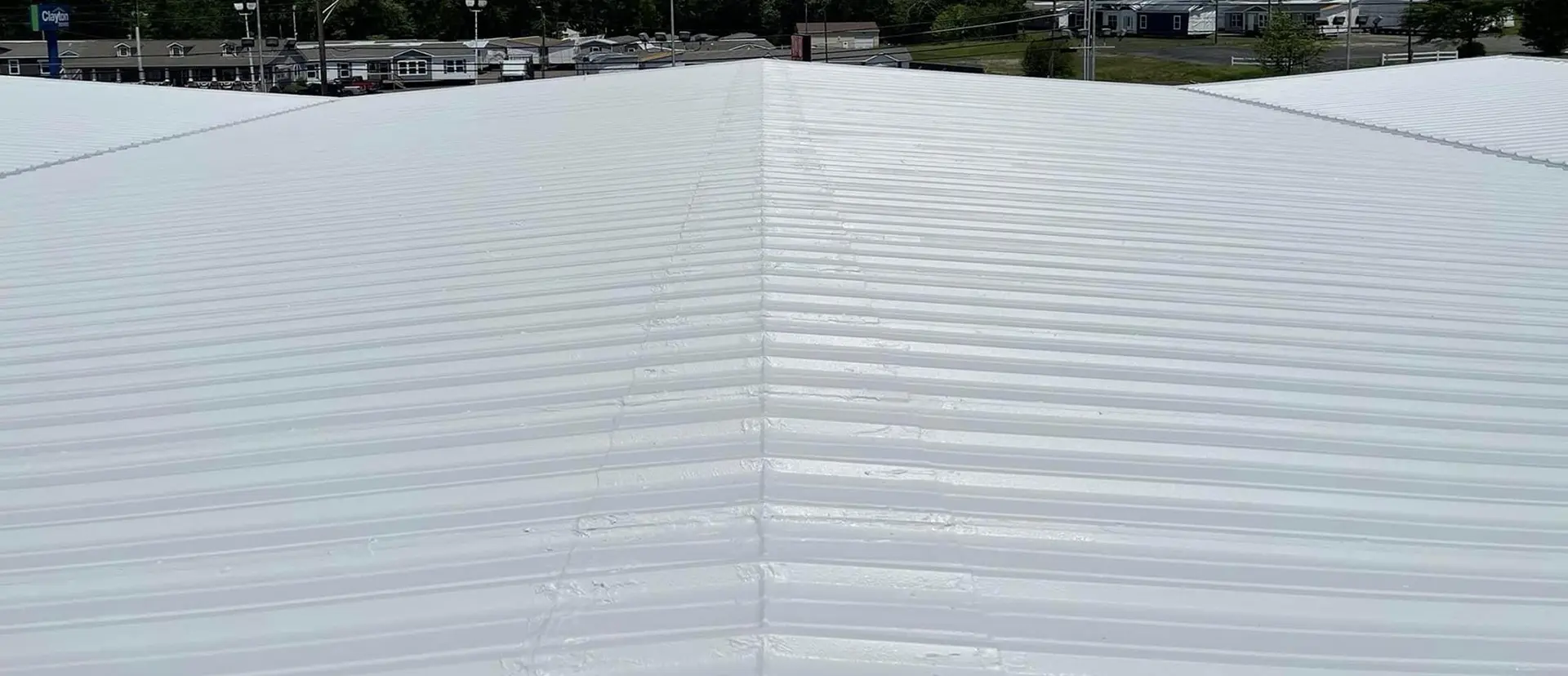

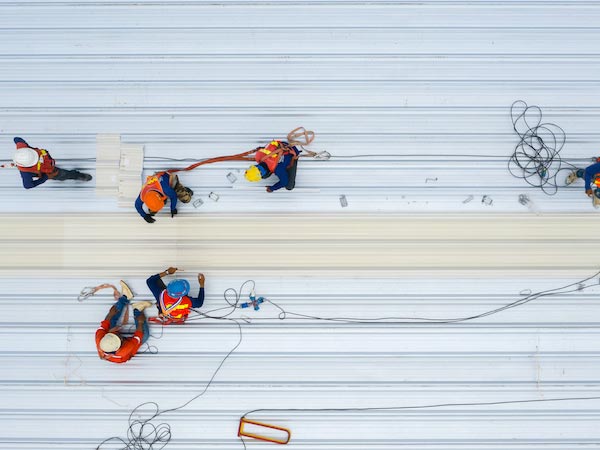
Commercial roofs in Williston, ND are exposed to some of the harshest weather conditions in the country. Extreme cold, heavy snow, freeze and thaw cycles, rapid spring snowmelt, and summer hailstorms all place continuous stress on roofing systems. Roof maintenance performed throughout the year will help commercial property owners stay ahead of seasonal damage and maintain dependable roof performance.
Call Hi-Line Commercial Roofing at (701) 621-0511 for roof maintenance in Williston, ND.
Why Roof Maintenance Matters
North Dakota weather challenges commercial roofing systems during every season. Winter temperatures regularly fall well below zero, while spring and fall often bring repeated freeze and thaw cycles that place additional stress on roofing materials. During the summer, elevated temperatures, ultraviolet exposure, and severe hailstorms create another set of maintenance concerns.
A planned maintenance program will allow property owners to identify developing issues before they become larger roofing problems. Small seam separations, damaged flashing, drainage concerns, or weathered sealants can often be corrected during routine maintenance visits before moisture reaches the insulation or interior of the building.
Regular inspections also provide documentation that will help building owners monitor roof conditions over time. Keeping maintenance records supports long term planning and may help satisfy manufacturer warranty requirements for commercial roofing systems.
Roof Maintenance Before Winter Arrives
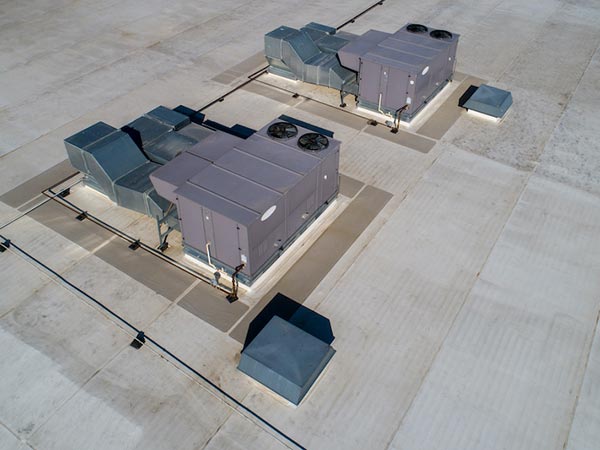
Late fall is one of the most valuable times of year for commercial roof maintenance in Williston. Preparing the roof before freezing temperatures arrive reduces the likelihood that minor issues will worsen throughout the winter.
Maintenance crews begin by clearing drains and scuppers so melting snow and ice can flow away from the building efficiently. Debris left behind from summer storms can restrict drainage and contribute to standing water that later freezes.
Inspectors also examine flashing, roof penetrations, and membrane seams for small openings or separation. Repairing these conditions before freezing conditions will help prevent expanding ice from forcing gaps wider as temperatures fluctuate throughout the season.
Low areas where water tends to collect should also be identified before winter. Addressing drainage concerns early will reduce the potential for ice accumulation and help maintain proper water flow when spring snowmelt begins.
Spring Roof Maintenance After Snowmelt
As soon as snow has cleared and the roof can be safely accessed, a spring inspection provides an opportunity to evaluate how the roofing system performed during winter.
Freeze and thaw cycles may enlarge seam separations that were barely noticeable during the previous fall. Flashing around rooftop equipment and penetrations may loosen as roofing materials repeatedly expand and contract during changing temperatures.
Spring inspections also identify damage caused by heavy snow loads or ice accumulation around drainage systems. Any moisture that entered the roofing system during winter should be located quickly before additional rainfall creates more extensive problems.
If repairs are needed, completing them during spring helps prepare the roof for the warmer months and reduces the likelihood that small defects will continue growing throughout the year.
Summer Inspections Complete the Maintenance Cycle
Summer provides another excellent opportunity to evaluate overall roof condition. Warmer weather allows inspectors to assess membrane surfaces, sealants, drainage components, and areas that may have experienced hail or wind damage during seasonal storms.
Summer inspections help identify UV-related weathering before it affects the roof’s waterproofing performance. Small repairs completed during favorable weather conditions often help extend the service life of the roof.
A seasonal maintenance schedule will help building owners monitor their roof’s condition throughout the year and identify issues before leaks develop inside the building.
Williston Roof Maintenance Experts
A commercial roof performs best when maintenance follows the demands of the local climate. By preparing before winter, evaluating conditions after snowmelt, and inspecting the roof during summer, building owners can better manage weather related wear and maintain dependable roofing performance year after year.
For roof maintenance in Williston, ND, contact Hi-Line Commercial Roofing at (701) 621-0511 today.
FAQ
What should be included in a fall roof maintenance visit before winter in North Dakota?
A fall maintenance visit should include clearing drains and scuppers, inspecting flashing and penetrations, checking membrane seams for separation, evaluating drainage areas, and repairing minor defects before freezing temperatures arrive.
What damage should building owners look for after a North Dakota winter?
Spring inspections should focus on seam separation, flashing damage, ice related drainage problems, ponding areas, and any signs that moisture entered the roofing system during the winter months.
How often should a commercial roof in Williston receive professional maintenance?
Most commercial roofs benefit from professional maintenance twice each year, once during the fall before freezing temperatures occur and again during the spring after snowmelt. Additional inspections may be recommended after major storms or for aging roofing systems.