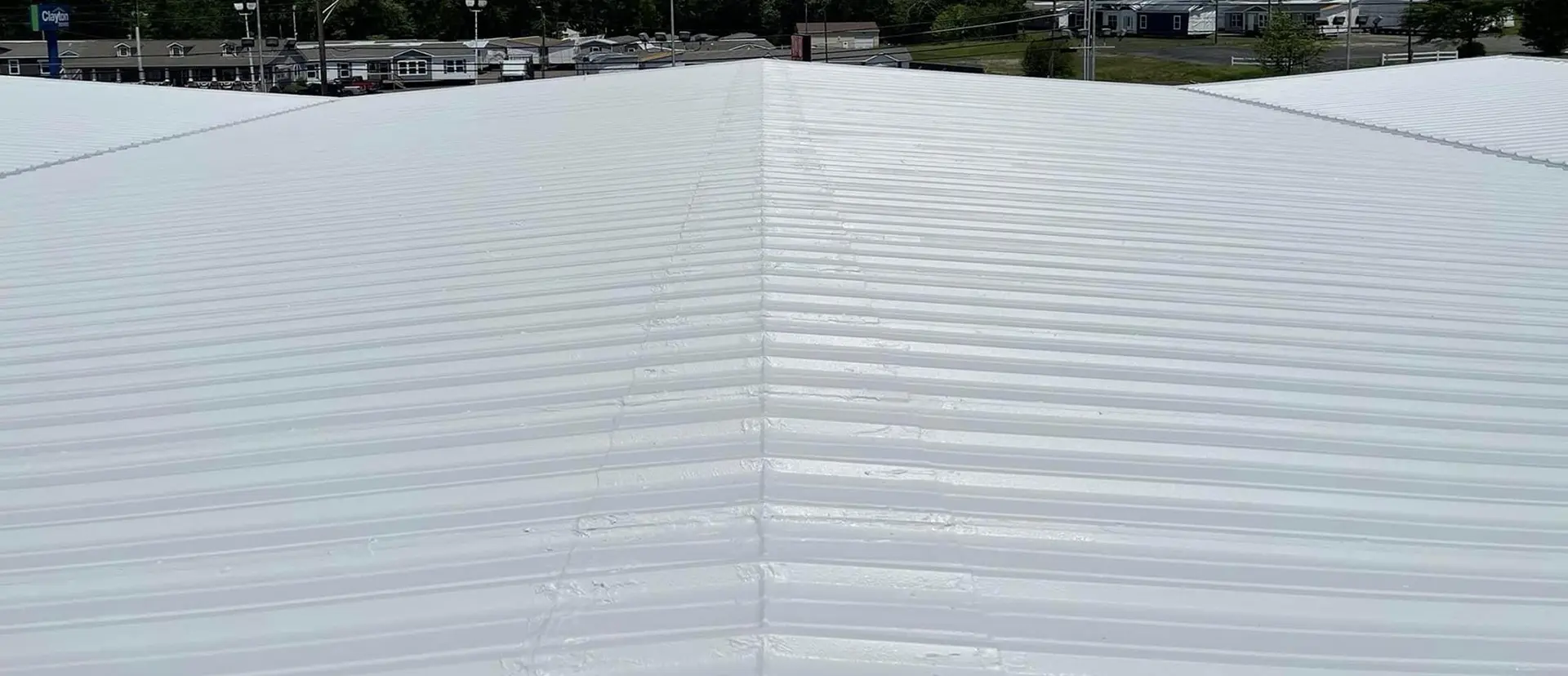

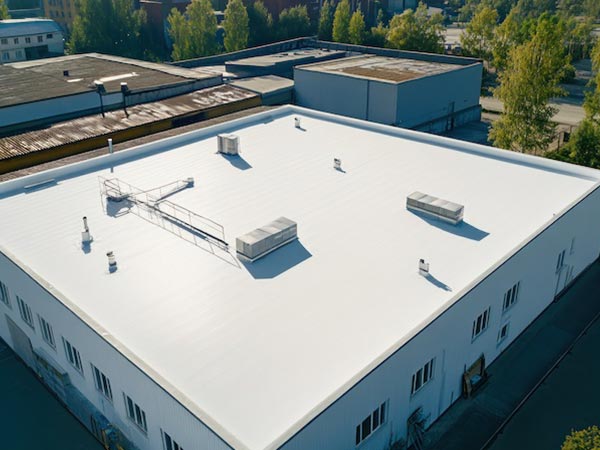
Commercial buildings throughout Williston, ND depend on single-ply roofing systems to withstand extreme weather, including freezing winters, strong winds, hail, and significant temperature swings. As many roofs installed during the Bakken region’s rapid growth continue to age, property owners are beginning to encounter common maintenance issues that require specialized expertise. Single-ply roofers help identify these developing problems, determine the appropriate repair strategy, and restore the roofing system using methods designed for the specific membrane type.
Call Hi-Line Commercial Roofing at (701) 621-0511 for single-ply roofers in Williston, ND.
Why Single-Ply Roofing Systems Develop Problems
Single-ply roofing includes several membrane types commonly used on commercial buildings. TPO, or thermoplastic polyolefin, features heat-welded seams and strong weather resistance. PVC, or polyvinyl chloride, also uses heat-welded seams while offering excellent resistance to chemicals and grease. EPDM, or ethylene propylene diene monomer, is a durable synthetic rubber membrane that typically relies on adhesive or seam tape connections.
Although these systems are designed for long service lives, every roofing membrane experiences wear over time. In Williston’s demanding climate, repeated freeze-thaw cycles place additional stress on seams, flashing, and roof penetrations. Small defects that might remain stable in milder regions can develop into significant roofing concerns.
Experienced single-ply roofers understand how each membrane responds to weather and aging. That knowledge allows them to accurately identify developing issues before recommending the proper repair approach.
Single-Ply Roofers Solve Seam and Flashing Failures
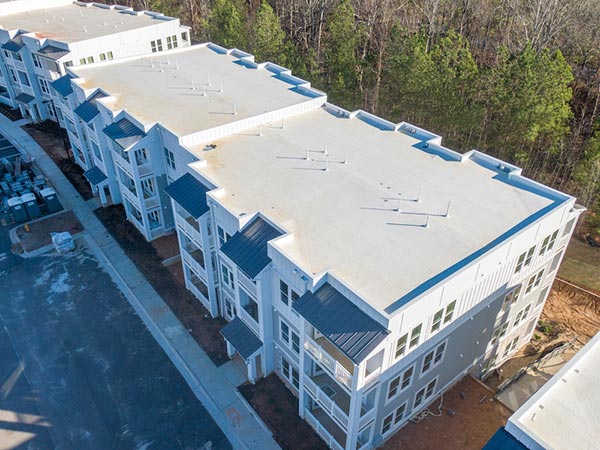
Seam separation is one of the most common issues found on aging commercial roofing systems. On heat-welded membranes such as TPO and PVC, seams may weaken after years of thermal movement. EPDM systems experience different challenges because their seams rely on adhesive or seam tape rather than heat welding.
Repair methods must match the roofing system. TPO and PVC seams are commonly repaired using specialized hot-air welding equipment to create a new bonded seal. EPDM repairs require careful cleaning, compatible adhesives or seam tape, and proper pressure to create a durable repair. Using the wrong repair technique can shorten the life of the repair and create additional roofing problems.
Flashing also requires careful inspection. Roof penetrations, HVAC curbs, parapet walls, and edge details experience constant movement throughout the seasons. Experienced contractors examine these transitions closely because flashing failures often allow water to enter far from the location where leaks eventually appear inside the building.
Membrane Damage and Drainage Issues
Not every roofing problem begins with a seam. Foot traffic from maintenance personnel, rooftop equipment servicing, hail, and accidental impacts can puncture roofing membranes without creating immediate interior leaks.
Inspectors evaluate the entire roof surface for punctures, abrasions, and membrane deterioration. They also examine drainage systems because clogged drains or standing water increase stress on roofing materials and accelerate aging around seams and flashing.
When moisture remains on the roof for extended periods, the membrane and edge details experience greater wear. Correcting drainage problems alongside membrane repairs helps restore the roof’s overall performance while reducing future maintenance concerns.
Experience Matters for Single-Ply Roof Repairs
Commercial roofing systems may appear similar from the ground, but each membrane requires specific repair techniques, compatible materials, and installation methods. Repair methods for TPO can differ significantly from those used for EPDM, and understanding those distinctions directly affects repair quality.
Professional inspections also help determine whether localized repairs remain appropriate or if more extensive restoration should be considered. If damage is limited to isolated seams, flashing, or membrane sections, repairs often provide an effective solution. If moisture has spread beneath large portions of the roof or the membrane has experienced widespread deterioration, replacement may become the more appropriate long-term recommendation.
For single-ply roofers in Williston, ND, contact Hi-Line Commercial Roofing at (701) 621-0511 today.
FAQ
What are the most common problems single-ply roofers find on commercial buildings in North Dakota?
The most common issues include seam separation, flashing deterioration around rooftop penetrations, membrane punctures from foot traffic or hail, and drainage problems that allow ponding water to remain on the roof.
How do single-ply roofers repair seams on TPO, PVC, and EPDM roofs?
TPO and PVC seams are typically repaired through hot-air welding that restores the welded bond. EPDM repairs involve cleaning the membrane, applying compatible seam tape or adhesive materials, and reinforcing the repaired area when appropriate.
How can I tell if my roof needs repairs or full replacement?
A professional inspection evaluates seam condition, flashing, membrane integrity, and moisture beneath the roof surface. Localized damage often supports repair, while widespread deterioration or saturated insulation may indicate replacement is the better solution.