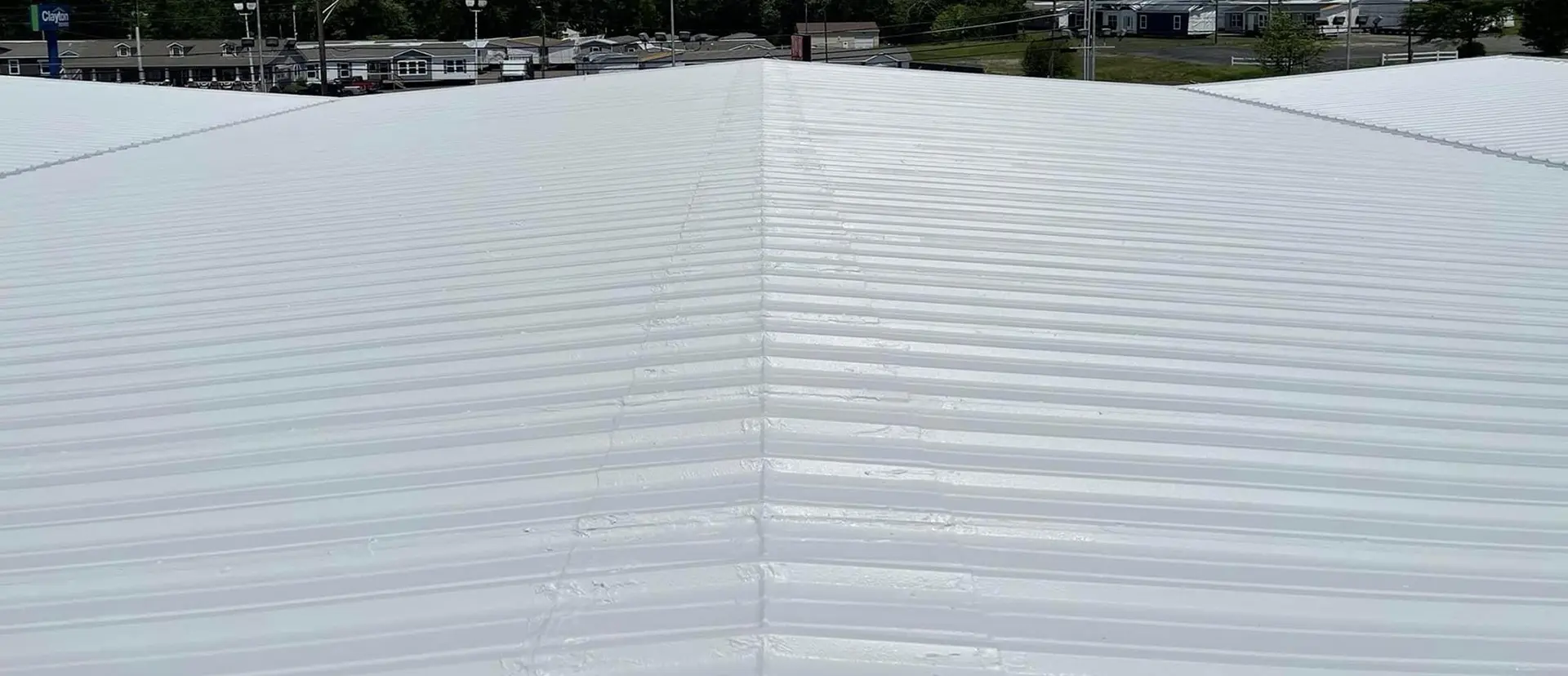

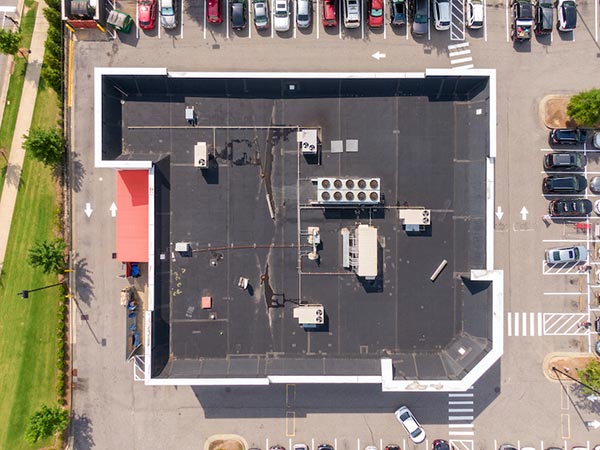
Commercial buildings in Minot, ND endure long winters, repeated freeze-thaw cycles, heavy snow accumulation, and rapid spring melts. These demanding conditions place constant stress on commercial roofing systems, making routine maintenance one of the most important investments a building owner can make. EPDM roofing delivers excellent durability, but consistent maintenance is what allows the system to perform reliably throughout its full service life.
For related commercial roofing guidance in Minot, see commercial roofing services in Minot and commercial roofing contractor in Minot.
Call Hi-Line Commercial Roofing at (701) 621-0511 for EPDM roofing in Minot, ND.
Why EPDM Roofing Maintenance Matters
EPDM stands for ethylene propylene diene monomer, a synthetic rubber roofing membrane widely used on commercial buildings because of its flexibility and long service life. While the material is naturally durable, its performance depends on regular inspections and timely repairs that address small concerns before they become significant problems.
Unlike heat-welded roofing systems, EPDM seams rely on specialized adhesives or seam tape to join sections of membrane together. Over time, North Dakota’s seasonal temperature changes place stress on these connections. Routine maintenance helps identify early signs of seam separation before water enters the roofing assembly.
A well-maintained EPDM roof can provide decades of dependable service. Building owners who postpone inspections often discover issues only after leaks develop, leading to more extensive repairs and potential interior damage.
Seasonal EPDM Roofing Care in Minot
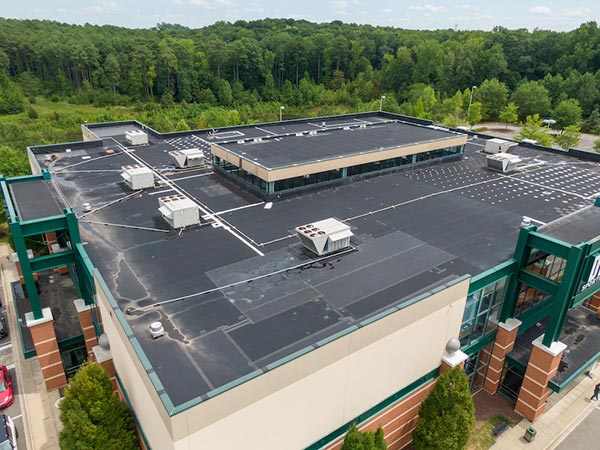
Commercial roofing maintenance should follow the changing seasons. In Minot, spring inspections are especially valuable because they reveal any damage that developed during months of snow, ice, and repeated freeze-thaw conditions.
A spring maintenance visit typically includes evaluating the membrane surface, checking seams and flashing, clearing drains, and identifying areas where standing water may have caused accelerated wear. Early repairs help prepare the roof for heavy spring rainfall and summer thunderstorms.
Fall maintenance is equally important. Before winter arrives, roofing professionals inspect adhesive seams, flashing details, roof penetrations, and drainage components to verify the roof is ready for freezing temperatures. Addressing minor concerns before snow and ice accumulate helps prevent those issues from becoming larger failures during the winter months.
Many commercial roof warranties also require documented professional maintenance, making scheduled inspections valuable from both performance and compliance standpoints.
Common EPDM Roofing Issues to Watch For
Every commercial roofing system has areas that deserve close attention. With EPDM roofing, adhesive seams remain one of the primary maintenance priorities. Freeze-thaw cycling gradually stresses adhesive connections, particularly if minor separation has already begun.
Flashing around rooftop equipment, curbs, pipes, and perimeter edges also requires regular inspection. Sealants naturally age over time, and these transition points experience constant movement caused by temperature fluctuations. Catching deteriorating flashing early helps prevent water intrusion into the roofing system.
Surface punctures are another concern. Rooftop equipment service, maintenance traffic, hail, and falling debris can create small openings in the membrane. Because most EPDM roofs have a black surface, these punctures are sometimes difficult to notice during casual observation. Professional inspections help identify subtle damage before leaks develop.
Drainage also influences long-term performance. Standing water keeps moisture on the roof surface longer after storms and snowmelt. Keeping drains and scuppers clear allows water to move efficiently off the roof while reducing unnecessary stress on seams and flashing.
Repair or Replace an EPDM Roof?
Not every roofing issue requires complete replacement. Localized seam separation, isolated punctures, and flashing deterioration can often be repaired successfully when discovered early. Addressing these problems promptly allows the roof to continue performing while helping extend its service life.
Replacement generally becomes the better option when moisture has spread throughout large sections of insulation, widespread membrane shrinkage affects multiple roof areas, or recurring seam failures indicate the roofing system has reached the end of its practical lifespan.
Professional inspections often include moisture detection techniques that help determine the true condition of the roof beneath the surface. This information allows building owners to make informed decisions based on actual roof performance rather than appearance alone.
Expert EPDM Roofing Maintenance
EPDM roofing is well suited for the demanding climate of Minot, but long-term success depends on consistent care. Regular inspections, seasonal maintenance, prompt repairs, and attention to seams, flashing, and drainage help preserve waterproofing performance while extending the life of the roofing system.
Hi-Line Commercial Roofing helps commercial property owners throughout Minot maintain EPDM roofing systems that continue to perform through North Dakota’s changing seasons. For EPDM roofing in Minot, ND, contact Hi-Line Commercial Roofing at (701) 621-0511 today.
FAQ
What does EPDM roof maintenance involve, and how often should it be performed?
Most commercial EPDM roofs should receive professional inspections twice a year, typically during spring and fall. Maintenance includes evaluating the membrane, seams, flashing, drainage systems, and any areas showing signs of wear or areas where water is ponding.
What are the most common maintenance issues that develop on EPDM roofs in North Dakota?
Adhesive seam deterioration, aging flashing, punctures from rooftop traffic or hail, and clogged drainage systems are among the most common issues. Regular inspections help identify these concerns before they lead to leaks.
When should an EPDM roof be repaired instead of replaced?
Localized damage such as isolated punctures, flashing issues, or limited seam separation can often be repaired effectively. Replacement is generally recommended when widespread moisture intrusion, membrane shrinkage, or repeated failures affect large portions of the roofing system.