
Commercial buildings in Williston, ND face demanding weather throughout the year. Heavy snow, spring snowmelt, hail, strong winds, and repeated freeze-thaw cycles put ongoing demands on commercial roofing systems. Many building owners hear the term “flat roof sealing” but are unsure what it involves or whether their roof needs it.
Flat roof sealing refers to the methods used to protect a commercial roof from water intrusion by maintaining the roofing membrane, sealing vulnerable details, and, when appropriate, applying protective coatings across the roof surface. Call Hi-Line Commercial Roofing at (701) 621-0511 for flat roof sealing in Williston, ND.
Understanding Flat Roof Sealing
A commercial flat roof relies on several layers working together to keep water outside the building. The primary roofing membrane forms the main waterproof barrier, while seams, flashing, roof penetrations, and perimeter details protect the areas where different roofing components meet.
If any one of these areas begins to fail, water may enter the roofing system even though the majority of the roof remains in good condition. Flat roof sealing focuses on maintaining each of these waterproofing elements so the roofing system can continue resisting water intrusion.
In some situations, sealing refers to repairing specific locations where weathering or movement has affected seams, flashing, or roof penetrations. In others, it describes installing a fluid applied coating across the entire roof surface to create an additional protective membrane. Both approaches improve weather resistance, but each serves a different purpose.
Targeted Flat Roof Sealing for Vulnerable Areas
Many commercial roofs require localized sealing rather than full surface restoration. Sealants are commonly applied around pipe penetrations, rooftop equipment, flashing transitions, edge metal joints, and roof terminations where movement occurs throughout changing seasons.
These materials remain flexible as temperatures fluctuate, helping maintain watertight connections even during North Dakota’s repeated freeze and thaw cycles. Properly maintained sealing details prevent small openings from becoming larger moisture entry points over time.
Recurring leaks around seams or flashing often indicate that these areas need professional resealing instead of repeated temporary repairs. Addressing the underlying weakness provides a longer lasting solution than continually treating the same symptoms after every storm.
Full Surface Coatings as Part of Flat Roof Sealing
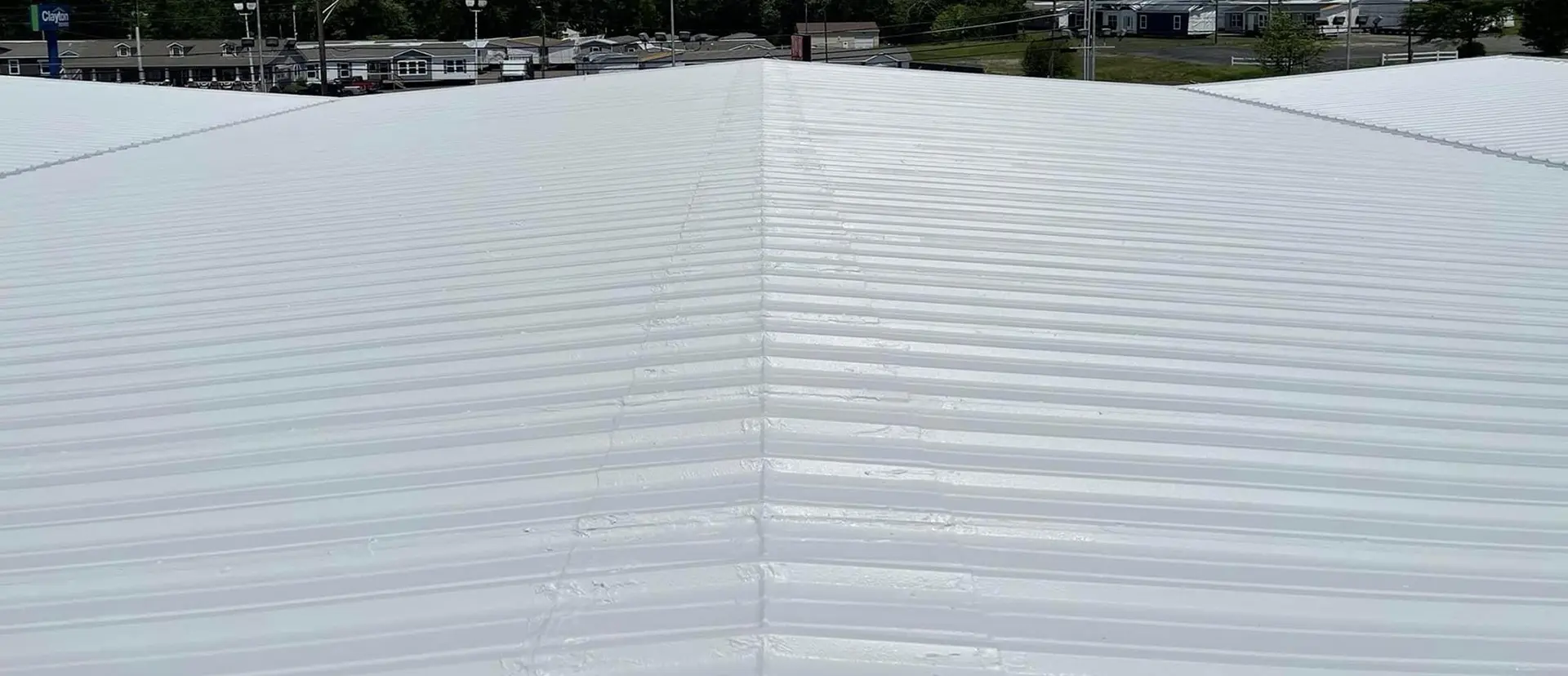
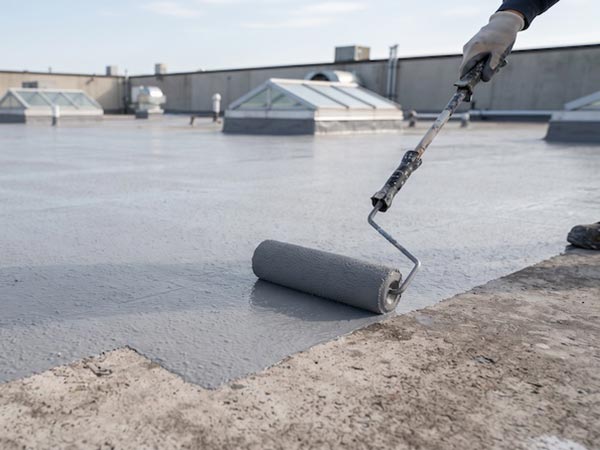
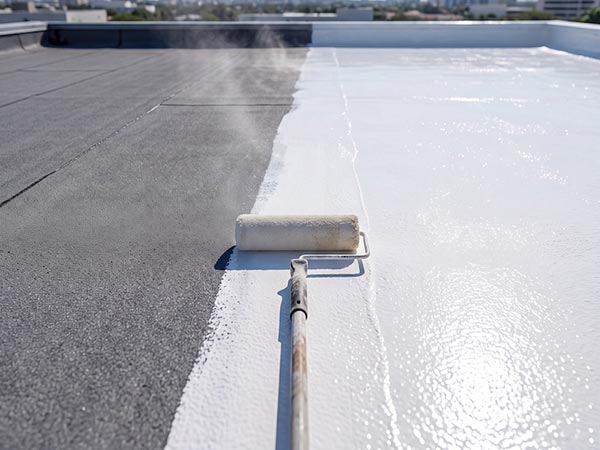
When an entire roofing system remains structurally sound but shows signs of surface aging, a full roof coating may become the appropriate sealing solution. These fluid applied systems cure into a continuous protective membrane that enhances weather resistance across the entire roof.
Several coating types are available depending on the roofing system and building conditions. Acrylic coatings are reflective and perform well on roofs with positive drainage. Silicone coatings maintain flexibility while resisting ultraviolet exposure and ponding water. Polyurethane coatings can provide good abrasion resistance and may be appropriate for roofs that receive more frequent maintenance traffic.
Selecting the proper coating depends on the existing roofing membrane, drainage conditions, roof usage, and the building owner’s long term maintenance goals. An inspection helps determine whether a roof qualifies for this type of restoration.
Knowing When a Roof Needs Sealing
Commercial roofs often provide visible signs that sealing or resealing may be needed. Cracked sealant around penetrations, deteriorating flashing, shrinking joints, weathered membrane surfaces, or recurring leaks all indicate that portions of the waterproofing system deserve professional attention.
Williston’s weather can accelerate roof deterioration. Hail can damage protective surfaces, spring snowmelt tests drainage performance, and freezing temperatures repeatedly stress roofing joints throughout the winter. Regular inspections following severe weather help identify developing issues before they expand.
Understanding the purpose of flat roof sealing allows building owners to ask informed questions about repair options, coatings, maintenance strategies, and the condition of their existing roofing system.
Protecting Commercial Roof Performance
Flat roof sealing is not one specific product or repair. It is a combination of maintenance practices, targeted sealing, and protective coating systems that work together to preserve the roof’s ability to resist moisture throughout changing weather conditions.
For flat roof sealing in Williston, ND, contact Hi-Line Commercial Roofing at (701) 621-0511 today.
FAQ
What does flat roof sealing include?
Flat roof sealing can refer to sealing individual roofing details such as seams, flashing, and penetrations, or applying a fluid coating across the entire roof to create an additional waterproof layer. The appropriate method depends on the roof’s condition and maintenance goals.
How do I know if my flat roof needs to be sealed or resealed?
Common indicators include cracked sealants, deteriorating flashing, recurring seam leaks, weathered roofing surfaces, and damage following hail or severe weather. A professional inspection can determine whether localized repairs or broader restoration is appropriate.
What types of sealants and coatings are used for flat roof sealing?
Commercial roofs may use flexible sealants around penetrations and flashing, while full roof restoration can involve acrylic, silicone, or polyurethane coating systems selected according to the roof’s membrane type, drainage, and expected service conditions.