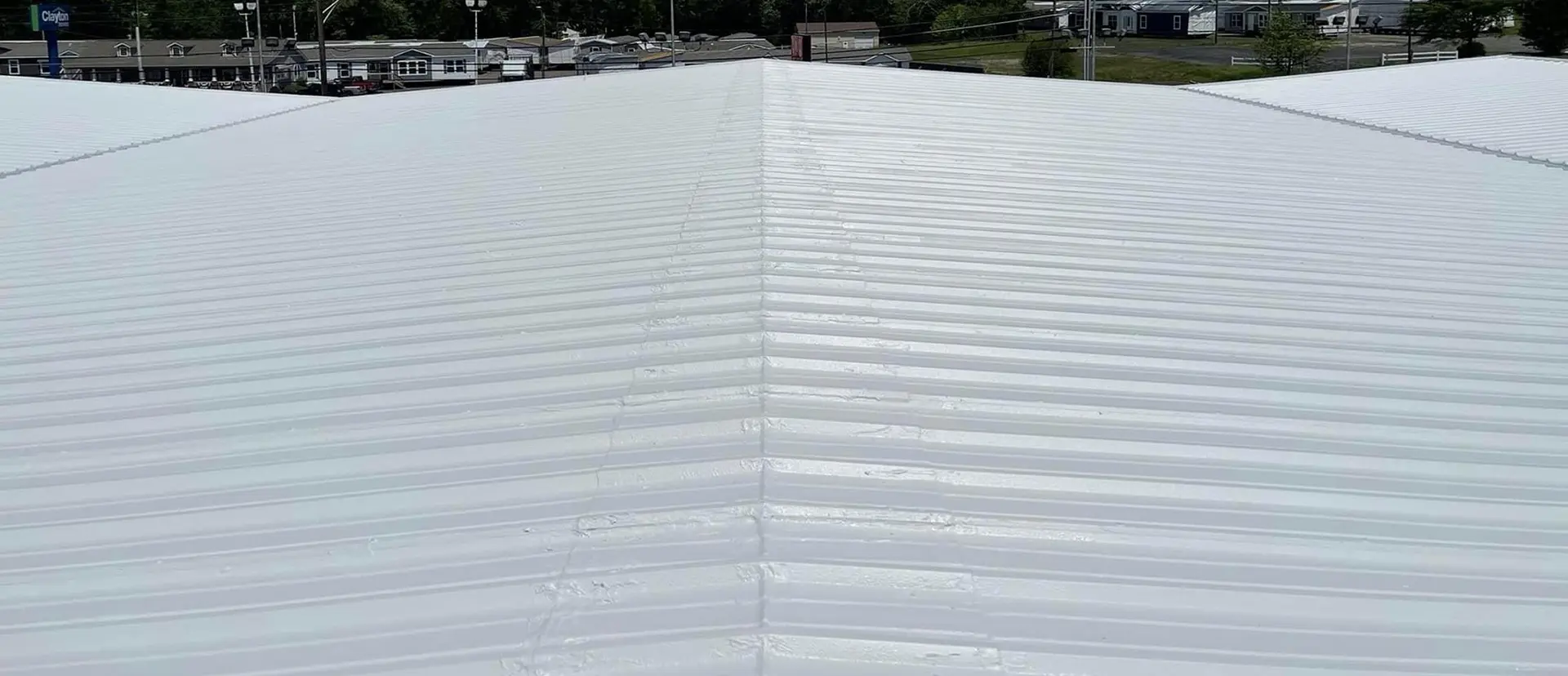

A flat roof replacement is a big job for any business in Minot, ND. You want the work done right, and you want to know whether your doors can stay open while it happens. Knowing what each step looks like makes it easier to plan around the work.
Not every old roof has to come off. If a roof still has a dry, sound base, flat roof sealing in Minot, ND may add a protective layer and extend its service life. When insulation is wet across a large area, leaks keep returning, or several roofing layers are already in place, replacement may be the better option.
Here is how a flat roof replacement goes, from the first look to the final walk-through. To discuss your Minot building, call Hi-Line Commercial Roofing at (701) 621-0511.
Step 1: Checking the Roof Before Work Starts
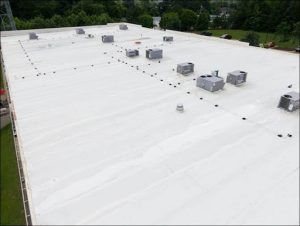
A good replacement starts before anything is torn off. A roof assessment looks at the surface, drains, edges, rooftop units, and adjoining walls.
A core cut is a small sample that shows what layers are present and whether the material is wet at that spot. A moisture scan may help identify other areas that need a closer look.
The assessment helps answer three questions:
- What roof layers are in place, and which ones need to come off?
- Is the insulation dry and sound enough to remain?
- What permit and inspection requirements apply to the proposed work?
Step 2: Choosing Tear-Off or a Permitted Recover
There are two main ways to put on a new flat roof. The right choice depends on what the assessment finds and what the local building authority allows.
Full Tear-Off
The old membrane, insulation, and other roofing layers are removed down to the roof deck. This takes longer, but it exposes the deck so damaged areas can be identified and repaired. A tear-off may be the better choice when insulation is wet across a large area, the deck needs work, or existing layers make a recover unsuitable.
Roof Recover
In some cases, a new roof system can go over the old one. A recover may save time and reduce tear-off debris. Before choosing it, confirm the condition of the deck and insulation, the number of existing roof layers, local requirements, and whether the proposed assembly qualifies for the intended manufacturer warranty.
Confirm any required permits and inspections before work starts. The proposal should spell out who handles them.
Step 3: Looking at the Roof Deck
Once the old roof is off, the deck is out in the open. The deck supports the roof assembly, so it needs to be sound.
Common things to check include:
- Rust or corrosion on steel decks
- Rot or soft spots on wood decks
- Cracks or other damage on concrete decks
Damaged sections need to be evaluated and repaired or replaced before new roofing covers them. On mechanically attached systems, the deck also needs to provide a sound base for the specified fasteners.
Step 4: Adding New Insulation
North Dakota winters are long and cold. Good roof insulation helps keep heat inside and can reduce heating demand.
Polyiso foam boards are a common insulation option for flat roofs. Tapered boards can also create a slight slope to guide water toward drains instead of letting it collect in low spots. A cover board may go on top to protect the insulation and give the membrane a stable surface.
Insulation and drainage are important whether you’re planning a flat roof replacement in Rugby, ND or replacing the roof on a store or office in Minot.
Step 5: Installing the New Roof Membrane
The membrane is the top layer that keeps water out. Common choices for commercial buildings include:
- TPO: A single-ply membrane commonly available in reflective white, with heat-welded seams.
- PVC: A heat-welded membrane that may suit buildings with grease exposure, such as restaurants, depending on the product.
- EPDM: A rubber membrane that remains flexible in cold conditions.
- Modified bitumen: An asphalt-based system that can be built in layers to suit the building’s needs.
The best pick depends on how you use the building, your budget, and how much traffic the roof gets.
Step 6: Flashing the Edges, Walls, and Openings
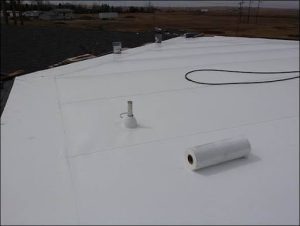
Flashing seals the places where the roof meets something else. These transitions are common leak points, so they deserve close attention during a replacement.
Typical flashing and edge details include:
- Walls and parapets
- Pipes and vents
- HVAC curbs and skylights
- Drains and scuppers
- Roof edges and perimeter metal
The flashing needs to match the new membrane and direct water away from seams and openings.
Step 7: Final Checks and Walk-Through
The job isn’t done when the last sheet goes down. Depending on the roof system and the project scope, final checks may include:
- Checking seams and flashing using methods appropriate for the roof system
- Confirming that drains and scuppers are clear
- Removing loose nails, screws, and debris from work areas
- Documenting the finished roof with photos
- Reviewing the work and any open items during a final walk-through
Ask which closeout records are included and when you’ll receive any applicable warranty paperwork. Some warranty programs require a separate manufacturer inspection.
Keeping Your Business Running During the Job
A roof replacement often happens over a building that’s still in use. Before work starts, review how the site plan will protect staff, customers, and equipment. Topics to cover include:
- Where materials and dumpsters can go without blocking entrances or deliveries
- How barriers and signs will separate work areas from staff and customers
- Whether work can be divided into sections to keep parts of the building accessible
- How areas opened during the day will be protected from weather before the crew leaves
- How dust and odors near HVAC intakes will be managed with building staff
- Whether noisy work can be scheduled around business hours
Weather matters too. In Minot, late spring through early fall often offers more workable days. Many adhesives and sealants need dry conditions and temperatures within a specified range. Some systems can be installed in cooler weather when site conditions and product instructions allow.
Plan Your Flat Roof Replacement in Minot With Hi-Line
A clear project plan helps you prepare for work zones, temporary access changes, and weather delays. Review the schedule and building protection plan before work begins so your staff and customers know what to expect.
Not every roof needs a full replacement. If the damage is limited to a torn seam or a leak around a drain, a targeted repair may be enough. For related information, see our guide to flat roof repair in Watford City, ND.
Call Hi-Line Commercial Roofing at (701) 621-0511 to discuss your flat roof replacement in Minot, ND, and ask about an assessment.
FAQs
1. How long does a flat roof replacement take in Minot, ND?
It depends on the roof size, how many layers come off, the condition of the deck, and the weather. Smaller roofs may take a few days, while larger buildings can take several weeks or more. Ask for a schedule based on the roof assessment and the agreed scope.
2. Can my business stay open during the replacement?
It may be possible. Working in sections can help keep parts of the building accessible, but the answer depends on entrances, work zones, weather protection, and how you use the space. Confirm any temporary restrictions before work starts.
3. Can a new flat roof go over my old one?
Sometimes. A recover depends on the condition of the deck and insulation, the existing roof layers, and applicable requirements. Check the proposed system’s warranty terms as well. An assessment, with sampling or moisture testing where needed, helps determine whether the roof is suitable.
4. What happens if the roof deck is damaged?
Damaged sections need to be evaluated and repaired or replaced before the new roof goes on. If the new system uses screws and plates, the deck must be able to hold the specified fasteners.
5. Why is flashing so important on a flat roof?
Flashing seals the spots where the roof meets walls, pipes, rooftop units, and other openings. Gaps at these transitions can let water into the roof assembly, so flashing is a key part of the job.
6. What is the best time of year to replace a flat roof in North Dakota?
Late spring through early fall often offers more workable conditions. Many roofing adhesives and sealants need dry surfaces and temperatures within the manufacturer’s specified range. Some roof systems can still be installed in cooler weather when conditions and product instructions allow.