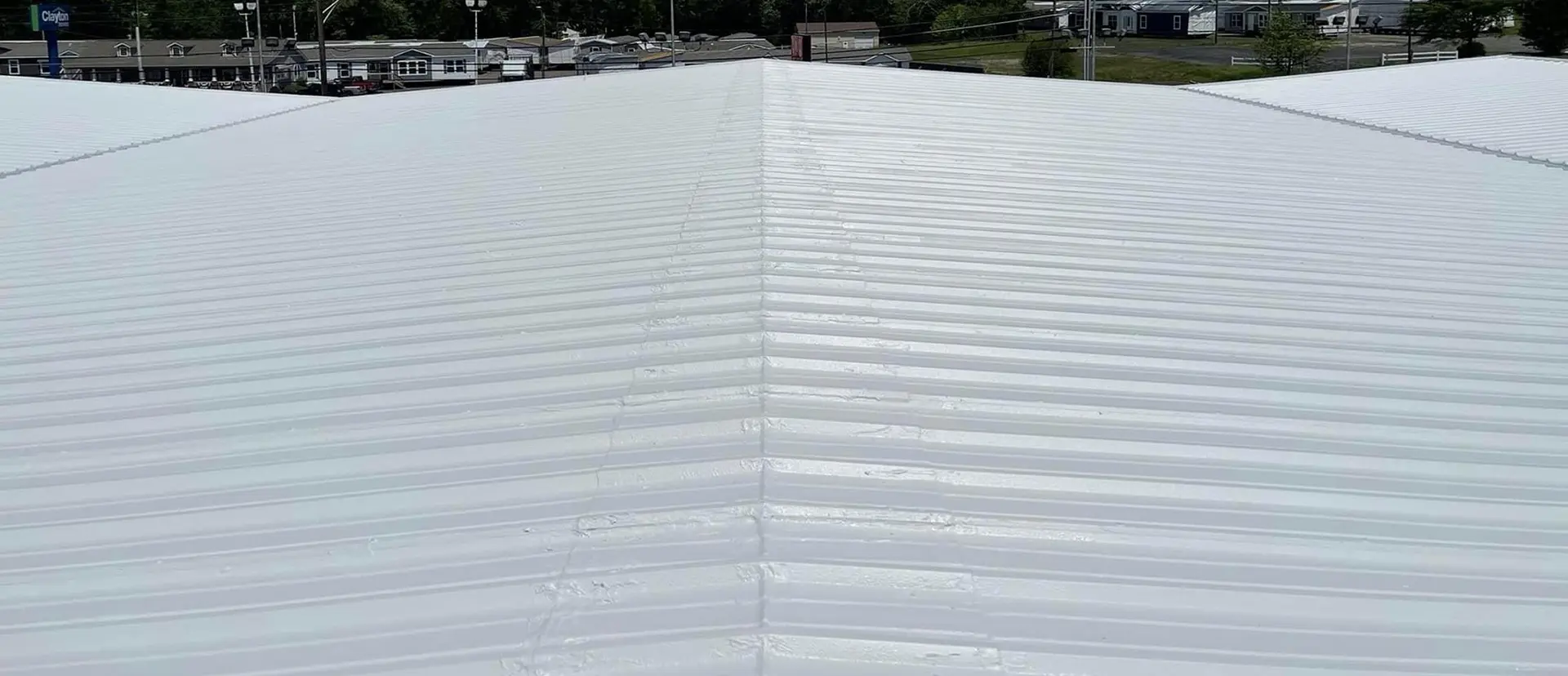

A flat roof keeps your building safe from rain, snow, and wind. But over time, even a good roof can get damaged. You may see a stain on the ceiling, water sitting on the roof after a storm, or a tear in the roof cover. These are all signs that your roof needs attention.
Flat roof repair in Watford City, ND can fix small problems before they turn into big ones. A timely repair can stop a leak, protect what is inside your building, and help your roof last longer. It can also help you put off the cost of a new roof.
Shops, offices, warehouses, and other commercial buildings can all develop flat roof problems. If wear extends across much of the roof, learn more about roof restoration in Watford City.
Call Hi-Line Commercial Roofing at (701) 621-0511 to discuss flat roof repair in Watford City, ND.
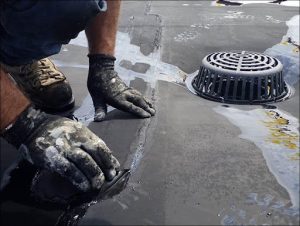
What Problems Does Flat Roof Repair Fix?
Most flat roof problems start small. Here are common defects that may call for repair:
- Open seams. Many flat roof systems use large sheets joined at seams. Over time, movement from heating and cooling can stress those joints.
- Holes and tears. Dropped tools, foot traffic, and blowing debris can puncture the roof cover.
- Blisters. These are raised areas that can form when air or moisture is trapped beneath a roofing layer.
- Ponding water. Water that sits on the roof can expose weak spots. A lasting fix may also require correcting the drainage problem.
- Flashing gaps. Flashing seals the roof around vents, pipes, walls, and edges. When it loosens, water can get in.
- Shrinking roof cover. Some membranes shrink with age, pulling at seams, flashing, and edges.
- Cracks and worn spots. Sun, snow, and ice can wear down the roof surface over time.
How Roofers Find the Real Source of a Leak
The stain on your ceiling is not always right under the hole in the roof. Water can travel under the roof cover before it drips inside. That is why a good repair starts with a careful look.
A roofer can use the location of the interior leak to guide the inspection, then check nearby seams, flashing, drains, and the roof surface for possible entry points. If there are signs of hidden moisture, separate testing may help determine whether the insulation or other layers are wet and how far the damage extends.
Drainage Checks
A flat roof typically has a slight slope that moves water toward drains, scuppers, or gutters. When those outlets are blocked, water can back up or collect on the roof.
A drainage check can look for:
- Leaves, dirt, and trash in roof drains
- Clogs or damage in scuppers and gutters
- Low spots where water collects
- Stains or debris lines left by standing water
If water lingers after rain, look for the cause. A blocked outlet may only need clearing, while a low spot or inadequate slope may need a more substantial correction.
Flashing Checks
Flashing is a common place for leaks. It seals the roof where it meets an HVAC unit, pipe, skylight, wall, or edge. These spots can move and take a beating from the weather.
Look for gaps, loose edges, cracks, or deteriorated sealant. In North Dakota, repeated freezing and thawing can worsen existing gaps. Catching flashing problems early can keep water from reaching the layers below.
Which Repair Methods Match Your Roof Type?
Not every patch works on every roof. The materials and method need to match the existing system so the repair bonds and seals properly. Common approaches include:
- TPO and PVC roofs: A compatible membrane patch can be heat-welded to a clean, sound surface when the existing membrane can accept a weld.
- EPDM (rubber) roofs: Compatible primer, rubber patches, and seam products are used according to the roofing system’s requirements.
- Modified bitumen roofs: A compatible patch is applied using a method suited to the existing system, such as heat or cold adhesive where appropriate.
- Built-up roofs: Damaged layers can be rebuilt with compatible roofing plies and materials that tie into the surrounding roof.
Some small surface defects may be addressed with a compatible sealant. Open seams and damaged flashing may need more than a surface seal. Learn more about flat roof sealing in Watford City, ND.
When a Small Repair Is Not Enough
A spot repair works best when the damage is limited and the rest of the roof is in good shape. A patch may not be the right choice when:
- Wet insulation covers a large part of the roof
- Seams are failing across multiple areas
- The roof deck beneath the roof cover is soft or deteriorated
- The same area keeps leaking after past repairs
- Drainage problems come from the roof’s slope and cannot be patched
- The roof is near or past the end of its service life
Depending on what the assessment finds, a larger repair, restoration, or replacement may cost less over time than repeat patches. Ask which findings support each option and how much of the roof would need work.
How to Check the Work When the Job Is Done
The final checks should match the repair. On a heat-welded membrane, a seam probe can help identify gaps after the weld cools. A visual check can confirm that repaired flashing and edges are secure and that nearby drains are clear.
Before-and-after photos can help you see what was damaged and what was fixed. Confirm what documentation is included and who to contact if signs of the leak return after the next rain.
Why Early Repair Saves You Money
Small roof problems can grow fast. A tiny seam gap lets in a little water. That water can soak the insulation and reach the roof deck. Now you may need more materials, more labor, and more time.
Fixing problems early can limit the damage, protect your building and its contents, and help you get more years out of the roof you already have.
Flat Roof Repair in Watford City and Nearby
If you also manage a property to the north, see our related page on flat roof repair in Williston, ND.
Don’t wait for a small leak to become a big problem. To discuss flat roof repair in Watford City, ND, call Hi-Line Commercial Roofing at (701) 621-0511 today.
Frequently Asked Questions
1. How do I know if my flat roof needs repair or a full replacement?
If the damage is in a few spots and the rest of the roof is sound, a repair may be enough. If seams are failing across the roof, insulation is wet over a large area, or the roof is near the end of its service life, replacement may be the better choice. An inspection helps determine whether further testing is needed before making that decision.
2. What causes most flat roof leaks on commercial buildings?
Common causes include open seams, loose flashing, punctures from foot traffic or debris, and drainage problems. In North Dakota, repeated freezing and thawing can make existing gaps worse.
3. How long does a flat roof repair take? Will it shut down my business?
A small patch may take less than a day once materials are available. Larger repairs can take longer, depending on the damage, roof material, weather, and access. Whether your business can stay open depends on where the work is happening and how entrances, work areas, and equipment will be protected.
4. Can you repair a flat roof in the winter in Watford City?
Some repairs can be made in cold weather when site conditions and material requirements allow. If a permanent repair needs a warmer or drier surface, temporary protection may help limit water entry until conditions improve.
5. Will the patch match my type of roof?
The repair material should be compatible with your existing roofing system. TPO, PVC, EPDM, modified bitumen, and built-up roofs require different methods and materials. Identify the roof type and condition before selecting a repair approach.
6. How often should I have my flat roof checked?
Spring and fall are good times to schedule routine checks. Arrange an additional check after severe weather or if you notice new stains, drips, or drainage problems. Regular checks help catch small problems before they cause leaks.