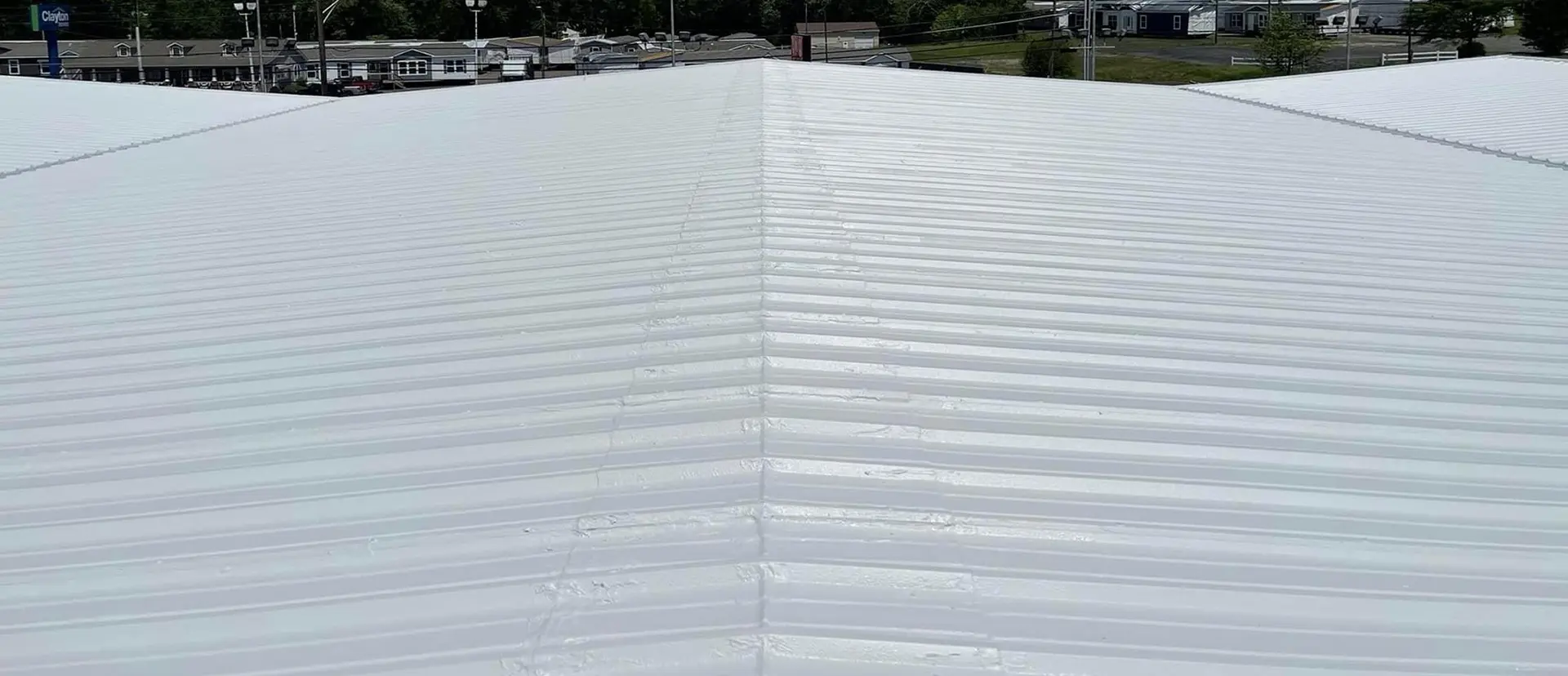
Your roof might look fine from the parking lot. But up top, it could be a different story. In western North Dakota, roofs take a beating. Strong wind pulls at the edges. Hail can leave dents and cracks. Snow sits for weeks, and then melting and freezing start over again.
Small roof problems can become more expensive if they go unnoticed. A loose seam in the fall, for example, may allow moisture to enter during winter. Commercial roof inspections in Dickinson, ND help identify visible defects early so property owners can address them before further damage occurs.
If you have a property up north, you can also read our guide to commercial roof inspections in Minot, ND.
Below, we’ll walk you through what an inspection covers, what problems an inspector can identify, and what to look for in the report.
What a Commercial Roof Inspection Covers
A good inspection looks at the whole roof system, not just the middle of the roof. The agreed scope should cover accessible areas such as:
- The roof surface. Cracks, splits, bubbles, punctures, and worn spots.
- Seams and laps. Places where roof sheets join, checked for visible separation, lifted edges, or other signs of failure.
- Flashing. Metal or membrane details that seal transitions at walls, edges, corners, and penetrations.
- Drains, scuppers, and gutters. Debris, damaged components, and signs that water is not leaving the roof properly.
- Rooftop units and pipes. The condition of boots, curb flashing, sealants, and other waterproofing details.
- Parapet walls and edge metal. Loose caps, gaps, corrosion, and displaced components.
- Inside the building. Ceiling stains, wall stains, and visible deck conditions when interior access is included and available.
Common Problems an Inspector Can See
Many roof problems leave visible clues. Common defects an inspector may identify include:
- Open or lifting seams.
- Blisters and bubbles in the roof membrane.
- Standing water or residue that suggests recurring ponding.
- Cracks, holes, and punctures.
- Loose or pulled-back flashing.
- Clogged drains full of leaves and dirt.
- Backed-out screws and rusted metal panels.
- Old sealant that has dried out and cracked.
Water that remains for more than roughly two days after rainfall is worth investigating, particularly when the condition recurs. Surface marks can suggest ponding, but confirming how long water remains may require observations after rain.
Photos and Written Findings
An inspection is only helpful if you can understand what was found. Clear photographs and written findings make the results easier to use.
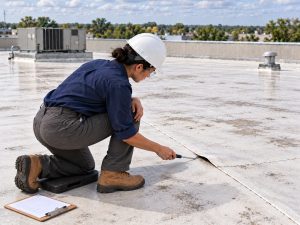
A useful report should include photos labeled or referenced to locations on the roof. Wide views help locate each issue, while close-ups show the condition itself.
Written findings should describe each issue in plain language and explain its priority. Categories may include:
- Fix now: Active leaks or defects that present an immediate risk of water entry or further damage.
- Fix soon: Repairs or maintenance that should be scheduled within a timeframe appropriate to the condition.
- Keep an eye on it: Conditions that need monitoring for changes.
The report should also identify areas that could not be accessed and any limits on the inspection.
This information helps with budgeting and discussions with your property manager, a prospective buyer, or your insurance company. Confirm the documentation included in your inspection before scheduling the visit.
An inspection identifies current conditions. A maintenance plan helps address developing problems. Our post on roof maintenance in Watford City, ND explains how regular care can help protect a roof.
What We Can See vs. What Needs Testing
A visual inspection and roof testing are not the same thing.
A visual inspection assesses accessible conditions at the roof surface and, where included, visible interior areas. It can identify surface problems such as cracks, open seams, and clogged drains.
Some problems hide beneath the surface. Wet insulation is a good example. The roof may look dry on top while moisture is present below. A visual inspection alone cannot reliably confirm or map that moisture.
Further investigation may require specialized tools, suitable weather conditions, additional access, or small openings in the roof. The examples below describe different scopes, rather than matching each visible defect to a particular test.
| Visual Inspection | Separate Testing or Additional Access |
|---|---|
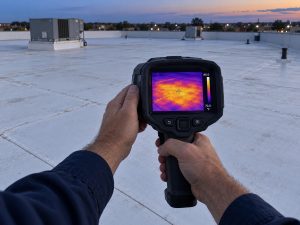
| Visible cracks, splits, holes, and surface wear. | Infrared surveys can identify temperature patterns associated with suspected moisture under suitable conditions. Findings may need confirmation. |
| Open seams and loose or damaged flashing. | Moisture meter surveys can help investigate moisture patterns where the equipment is suitable for the roof assembly. |
| Ponding water, drainage residue, and clogged outlets. | Core cuts expose the roof layers and allow selected locations to be checked. Openings must be properly repaired afterward. |
| Rust, loose fasteners, and displaced edge components. | Electronic leak detection can locate breaches in compatible roofing assemblies. |
| Interior water stains and visible deck conditions where accessible. | Further deck investigation may require ceiling access, lifts, openings, or evaluation by a structural professional. |
If findings suggest a hidden problem, the report should distinguish suspected conditions from confirmed results and explain the recommended next step. Confirm the availability, scope, and cost of any additional testing before authorizing it.
When to Schedule an Inspection
Plan for an inspection at these times:
- In spring, after the snow melts and the roof is safely accessible.
- In fall, before winter sets in.
- After a major storm, especially hail or high wind.
- Before buying or selling a building.
- Before applicable roof warranty deadlines.
Active leaks or visible damage need prompt attention rather than waiting for the next scheduled visit.
Why Choose Hi-Line Commercial Roofing
For a Dickinson commercial property, an inspection should account for the roof system, weather exposure, drainage, and known leak history. Before scheduling, discuss the inspection scope, available documentation, and how any recommended repairs or further investigation will be presented.
If it’s been a while since anyone assessed your roof, now is a good time to arrange a review. Call Hi-Line Commercial Roofing at 701-621-0511 to discuss your commercial roof inspection in Dickinson, ND.
Frequently Asked Questions
1. How much does a commercial roof inspection cost in Dickinson, ND?
The price depends on roof size, roof type, access, and the agreed inspection scope. Specialized testing may involve additional charges. Call Hi-Line Commercial Roofing at 701-621-0511 to discuss your building and request pricing.
2. How often should a commercial roof be inspected?
Most commercial roofs benefit from inspections twice a year, in spring and fall, plus checks after major storms. Follow the roofing manufacturer’s maintenance requirements as well.
3. How long does a roof inspection take?
Many visual inspections take a few hours. Large or complex roofs may take longer. Specialized testing and preparation of written findings can require additional time.
4. Do I need to be there during the inspection?
Not always. Arrange safe roof access and confirm whether interior access is needed. Sharing known leak locations and past repair records can help the inspector understand the roof’s history.
5. Can a visual inspection find hidden leaks?
It can identify warning signs such as stains, damaged flashing, or soft areas. Confirming hidden moisture or locating an unclear leak source may require additional investigation or testing appropriate to the roof assembly.
6. Will my insurance company accept the inspection report?
Dated photographs and written findings can support discussions with your insurer, but they do not guarantee claim acceptance or coverage. Ask your insurance company what documentation it requires.