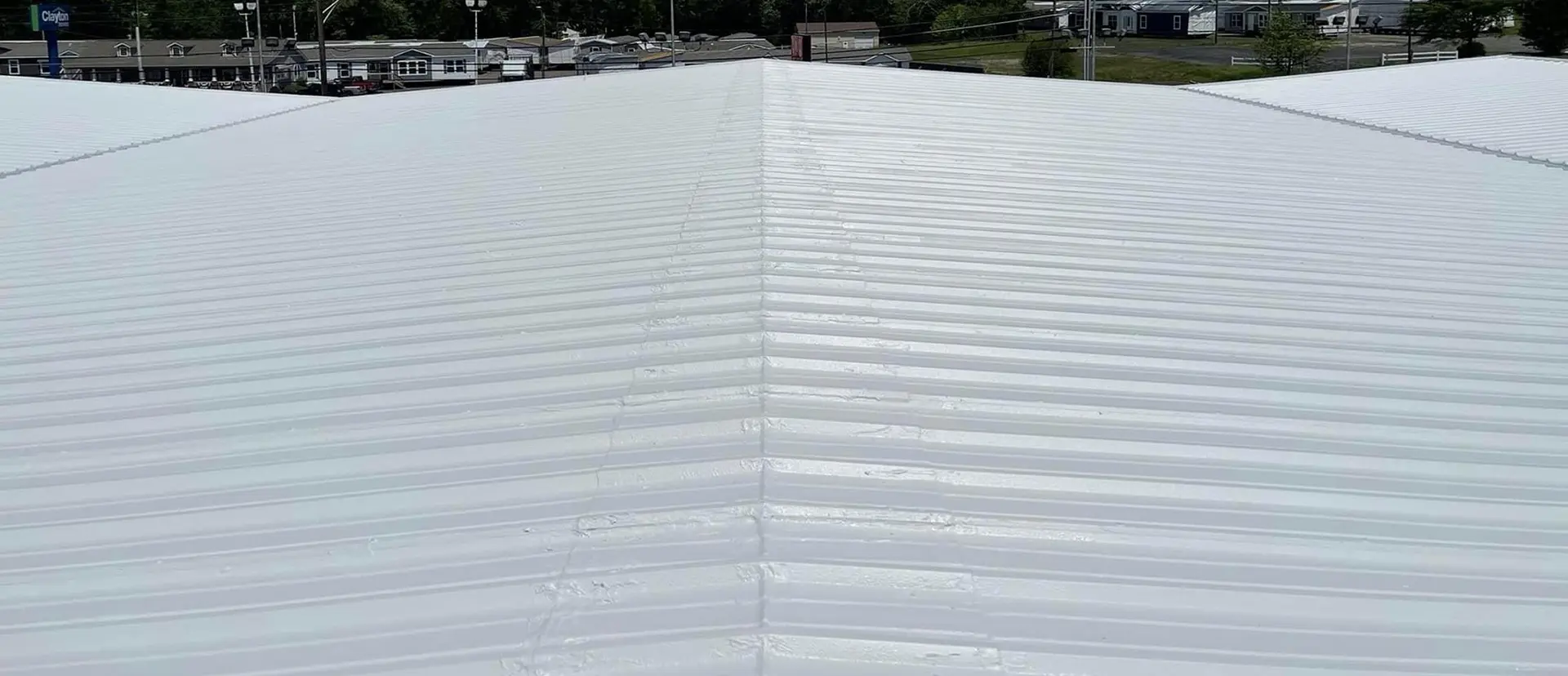
A commercial roof can look fine from the parking lot and still have problems up top. Seams separate. Flashing loosens. Water can enter beneath the membrane before a ceiling stain appears. A commercial roof inspection in Devils Lake, ND helps identify visible problems and establish a record of the roof’s observed condition.
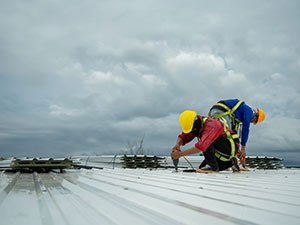
Devils Lake roofs face strong prairie winds, snowdrifts around parapets and rooftop units, freeze-thaw cycles, and summer storms. Each season can leave damage that isn’t visible from the ground. That’s why regular inspections and commercial roof maintenance in Devils Lake, ND go hand in hand.
Hi-Line Commercial Roofing provides commercial roof inspections in the Devils Lake area. Call (701) 621-0511 to discuss your property, the inspection scope, and the documentation included.
What a Commercial Roof Inspection Covers
A standard visual inspection assesses accessible roof areas within an agreed scope. It should consider more than the reported leak location because water can travel before dripping inside. Snow, equipment, debris, unsafe surfaces, and unavailable interior access can limit what is inspected.
A typical scope includes:
- Roof membrane or surface: Splits, punctures, blisters, ridges, shrinkage, cracking, coating wear, and damaged metal panels or fasteners.
- Seams and laps: Open, lifted, or separated seams on membrane systems, along with loose fasteners and failed seals at metal panel laps.
- Flashing: Base flashing, counterflashing, and terminations at walls, curbs, and parapets.
- Penetrations: Pipe boots, vents, conduit, sealant pockets, and HVAC curb details.
- Drainage: Drains, scuppers, gutters, and downspouts, including visible obstructions, damaged components, and signs of persistent ponding.
- Edges and coping: Loose metal, separated joints, and displaced perimeter components.
- Rooftop equipment areas: Damage from service traffic and condensate discharge onto the roof. This does not necessarily include inspection of the equipment itself.
- Interior evidence: Accessible ceilings and deck undersides for stains, corrosion, or drips when interior review is included.
Defects You Can Spot on a Visual Inspection
Many roof problems leave surface clues. An inspector may identify:
- Punctures, tears, and other impact damage
- Membrane shrinkage or stress at corners and flashing
- Blisters and wrinkles
- Corrosion, loose fasteners, and failed sealant on metal roofs
- Cracked, peeling, or deteriorated coatings
- Ponding water and stains or debris lines suggesting past ponding
- Visible sagging or other signs that underlying materials need investigation
- Debris or ice obstructing drainage
- Deteriorated previous repairs
Soft or spongy areas encountered during safe access can also indicate underlying concerns, but they do not confirm wet insulation by themselves. Suspect areas should not be walked on simply to test their condition.
A visual inspection helps locate visible defects and warning signs. It cannot reliably measure the extent of hidden moisture within the assembly.
Observation vs. Testing: Knowing the Difference
A visual inspection records what can be observed within the agreed scope. It does not establish every concealed condition or prove that an apparently sound roof is dry underneath.
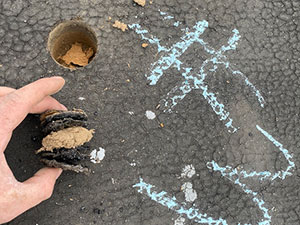
Separate investigation may be needed to answer questions about hidden moisture, leak paths, or roof construction:
- Infrared scans: Identify thermal patterns that may indicate moisture. Suitability depends on roof construction, weather, timing, and interpretation. Suspect areas need verification.
- Moisture surveys: Use equipment appropriate for the assembly to identify areas with readings suggesting moisture. Results require interpretation and may need confirmation.
- Core cuts: Open a small sample location to examine layers and material condition. Sampling requires authorization and a compatible repair to restore waterproofing.
- Leak detection: Suitable electronic methods or controlled water testing can help locate membrane breaches or water-entry paths. Not every method is appropriate for every roof.
- Interior or deck access: May require lifts, additional access arrangements, or removal of finishes. Structural concerns may require an engineer.
Recurring leaks, suspected moisture, planned restoration, or a proposed roof recover can justify additional investigation. The purpose, scope, cost, and authorization for testing should be established before it begins. Reports should distinguish observations, test results, and conditions that remain unconfirmed.
Once the necessary assessment is complete, the findings can help define commercial roof repair in Devils Lake, ND, with scheduling based on urgency, safe conditions, materials, and authorization.
Photographs and Written Findings
A useful inspection record should be understandable and practical. Depending on the agreed service, documentation may include:
- Overview and close-up photos of observed issues
- A roof plan, marked layout, or recognizable location references
- Written descriptions of defects and inspection limitations
- Priorities distinguishing urgent concerns from planned work and monitoring
- Recommendations for repairs, maintenance, further testing, or longer-term planning
Confirm which records are included before the inspection. Reports can support budgeting, maintenance planning, warranty records, and property transactions. They may also document conditions relevant to an insurance claim, but they do not determine coverage.
A history of inspection records makes it easier to track changes in roof condition over time.
How Inspections Connect to Maintenance and Repairs
An inspection is a starting point. Its findings help establish what needs attention next.
Debris clearing, drainage care, and suitable minor repairs may fit within a commercial roof maintenance plan in Devils Lake, ND. Corrective work should follow the roof system’s requirements rather than relying on general-purpose sealant or indiscriminate fastener tightening.
Open seams, failed flashing, storm damage, and active leaks need prompt assessment and appropriate repairs. Water entering damaged details can contribute to further deterioration during freezing weather.
If the roof shows widespread decline, the findings help compare repair, restoration, coating, and replacement options. For a related approach, see our guide to metal roof restoration in Devils Lake.
When to Schedule an Inspection
Useful times to arrange an inspection include:
- Spring after snowmelt and fall before winter conditions
- After significant hail or windstorms, once access is safe
- Before buying or selling a commercial property
- Before a warranty expires, allowing time to document and report concerns under its terms
- Whenever an interior leak appears
Follow any additional inspection requirements specified by the roof manufacturer or warranty.
Schedule a Commercial Roof Inspection in Devils Lake, ND
You don’t need to wait for a leak to investigate your roof’s condition. Contact Hi-Line Commercial Roofing to discuss a commercial roof inspection in Devils Lake, ND.
Establish the inspection scope, access arrangements, included documentation, and any separate testing before the visit. Call (701) 621-0511 to discuss your building and schedule an inspection.
Frequently Asked Questions
How often should a commercial roof be inspected?
Spring and fall inspections are a useful baseline, with additional checks after severe weather or potentially damaging rooftop work. Follow the roof manufacturer’s maintenance requirements and adjust the schedule to the roof’s condition.
What does a commercial roof inspection include?
A typical visual inspection reviews accessible roof surfaces, seams, flashing, penetrations, drainage, and edges. Interior review, photos, written findings, diagrams, and testing depend on the agreed scope. The report should identify access and visibility limitations.
How long does a commercial roof inspection take?
Time depends on roof size, access, complexity, and the inspection scope. Additional testing or difficult access can require more time or another visit. Confirm the expected schedule when arranging the service.
Can a roof inspection find hidden leaks or wet insulation?
A visual inspection can identify warning signs, but hidden leak paths and moisture may need separate investigation. Infrared scans, suitable moisture surveys, and core samples can help when appropriate for the assembly. Screening results may need confirmation.
Should I get a roof inspection after a hailstorm?
Yes, an assessment is worthwhile after a significant hailstorm. Hail can damage membranes, coatings, metal, and roof accessories. Dated documentation can help record observed conditions, though an inspection does not guarantee insurance coverage.
What’s the difference between a roof inspection and a roof survey?
The terms vary between providers. An inspection often means a visual condition assessment, while a survey may include measurements, moisture investigation, or sampling. Confirm the actual tasks, testing, access, and deliverables rather than relying on the service name alone.