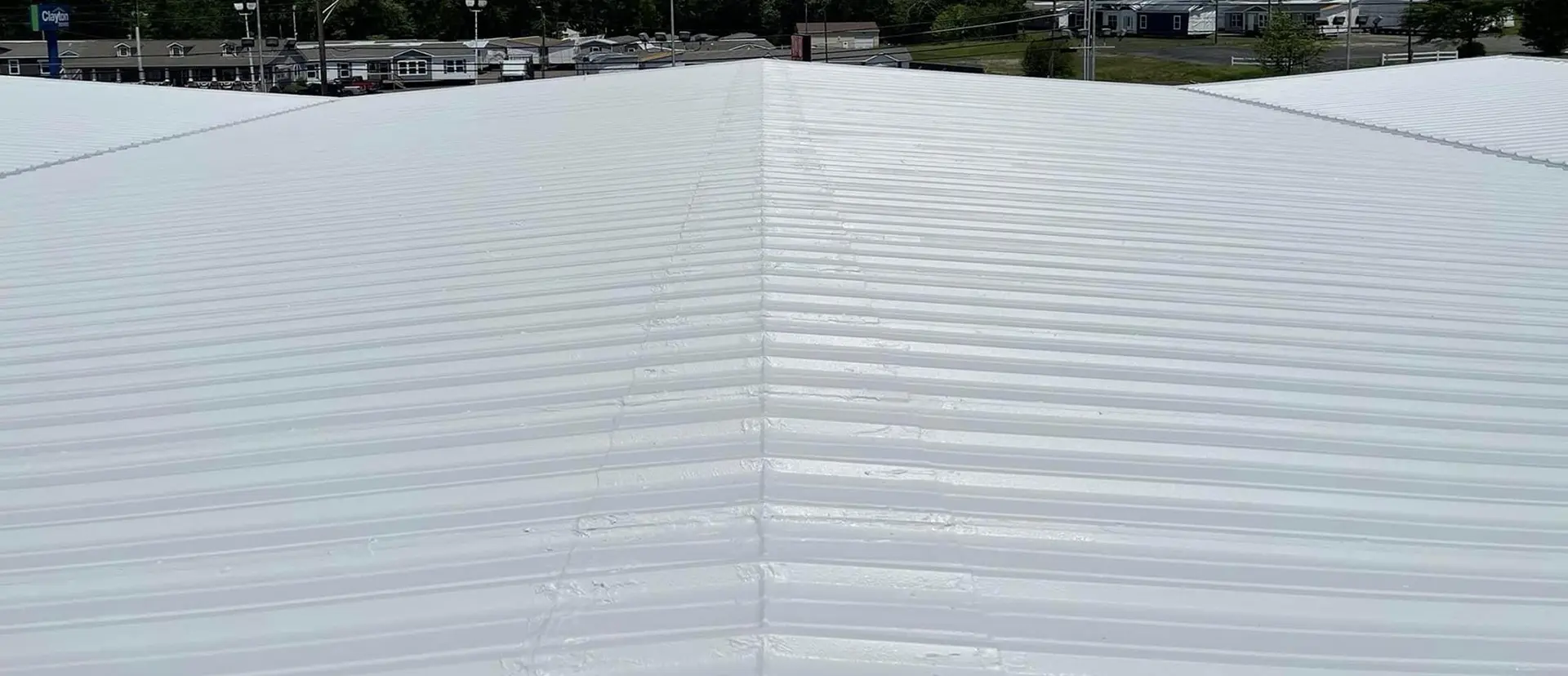

For commercial property owners in Minot, ND, protecting a building’s roof is a year-round challenge due to the region’s extreme and unpredictable weather patterns. From heavy snowfall and ice accumulation to high winds and summer temperature swings, roofing systems are constantly exposed to stress. This makes metal roof restoration an important solution for extending roof life and maintaining structural integrity without full replacement.
However, the success of any restoration project is heavily influenced by weather conditions before, during, and after application. Understanding these environmental factors helps ensure long-lasting results and prevents premature failure. Hi-Line Commercial Roofing provides professional metal roof restoration services designed to perform reliably in North Dakota’s demanding climate. To learn more or schedule an inspection in Minot, ND, contact Hi-Line Commercial Roofing at 701-621-0511 today.
Understanding Metal Roof Restoration and Its Purpose
Metal roof restoration is the process of repairing, cleaning, and applying protective coatings to an existing metal roofing system. Instead of replacing the entire roof, restoration focuses on improving performance, sealing vulnerabilities, and extending service life.
This approach is widely used in commercial buildings because it is cost-effective and less disruptive than full replacement. It also helps improve energy efficiency and corrosion resistance.
Key Goals of Restoration
- Stop and prevent leaks
- Reduce corrosion and rust damage
- Improve energy efficiency through reflective coatings
- Extend roof lifespan without replacement
While restoration is highly effective, its success depends significantly on weather conditions during the application process and throughout the roof’s future performance.
Why Weather Matters in Metal Roof Restoration
Weather plays a critical role in determining how well restoration materials bond, cure, and perform over time. In regions like Minot, ND, where conditions can change rapidly, timing, and environmental awareness are essential.
Temperature and Coating Performance
Most restoration coatings require specific temperature ranges to cure properly. If applied in excessively cold conditions, coatings may not bond correctly to the metal surface. On the other hand, extreme heat can cause materials to dry too quickly, leading to uneven application or weak adhesion.
Proper temperature control ensures that coatings form a strong, durable protective layer.
Moisture and Surface Contamination
Moisture is one of the biggest challenges in metal roof restoration. Rain, snow, or even high humidity can interfere with coating adhesion. Additionally, trapped moisture under existing rust or debris can continue to spread corrosion beneath the restored surface.
That’s why thorough drying and surface preparation are essential before any restoration begins.
Wind Conditions During Application
High winds can disrupt spray or roller application methods, leading to uneven coating thickness. Wind can also carry dust and debris onto freshly prepared surfaces, compromising adhesion and finish quality.
Controlled application conditions help ensure a smooth and consistent protective layer.
How Seasonal Changes in Minot, ND Affect Restoration Outcomes
Minot experiences some of the most extreme seasonal variations in the region, making timing a key factor in restoration success.
Winter Challenges
Cold temperatures, ice buildup, and snow accumulation make winter one of the most difficult times for restoration work. Metal surfaces can contract, and coatings may not cure properly in freezing conditions.
Spring Thaw Issues
As snow melts, excess moisture can linger on roof surfaces. This creates challenges for adhesion and may delay restoration schedules until conditions stabilize.
Summer Heat Exposure
High summer temperatures can accelerate coating curing but may also cause application challenges if not carefully managed. Proper timing and material selection are essential.
Fall Preparation Window
Fall is often the most favorable season for metal roof restoration in Minot, ND. Moderate temperatures and lower precipitation levels provide ideal conditions for surface preparation and coating application.
Surface Preparation: The Most Weather-Sensitive Step
Before any restoration begins, proper surface preparation is required. This step is highly sensitive to weather conditions and directly impacts long-term performance.
Cleaning and Rust Removal
Metal roofs must be thoroughly cleaned to remove dirt, oxidation, and loose rust. Moisture or rain during this stage can delay progress or reintroduce contaminants.
Drying Requirements
Even small amounts of trapped moisture can compromise coating adhesion. Contractors must ensure the surface is completely dry before applying restoration materials.
Repairing Structural Weak Points
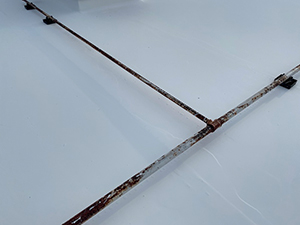
Seams, fasteners, and flashing must be inspected and repaired. Weather exposure often worsens these weak points, making pre-restoration repair essential.
Metal Roof Restoration Experts
For commercial property owners in Minot, ND, weather is one of the most significant factors affecting roof performance. Metal roof restoration offers an effective way to protect aging roofing systems, but only when environmental conditions are carefully considered.
From temperature and moisture to wind and seasonal changes, every weather factor plays a role in determining restoration success. Hi-Line Commercial Roofing specializes in evaluating these conditions and delivering restoration solutions designed for long-term durability in challenging climates. To schedule a professional assessment, contact Hi-Line Commercial Roofing at 701-621-0511 today.
FAQ
What is metal roof restoration?
It is the process of repairing and coating an existing metal roof to extend its lifespan and improve performance.
Why does weather matter in roof restoration?
Weather affects coating adhesion, curing time, and overall durability of the restored roof system.
Can metal roof restoration be done in winter?
It is generally not recommended because cold temperatures can prevent proper coating curing.
How long does a restored metal roof last?
When properly installed under ideal conditions, it can last many additional years with proper maintenance.