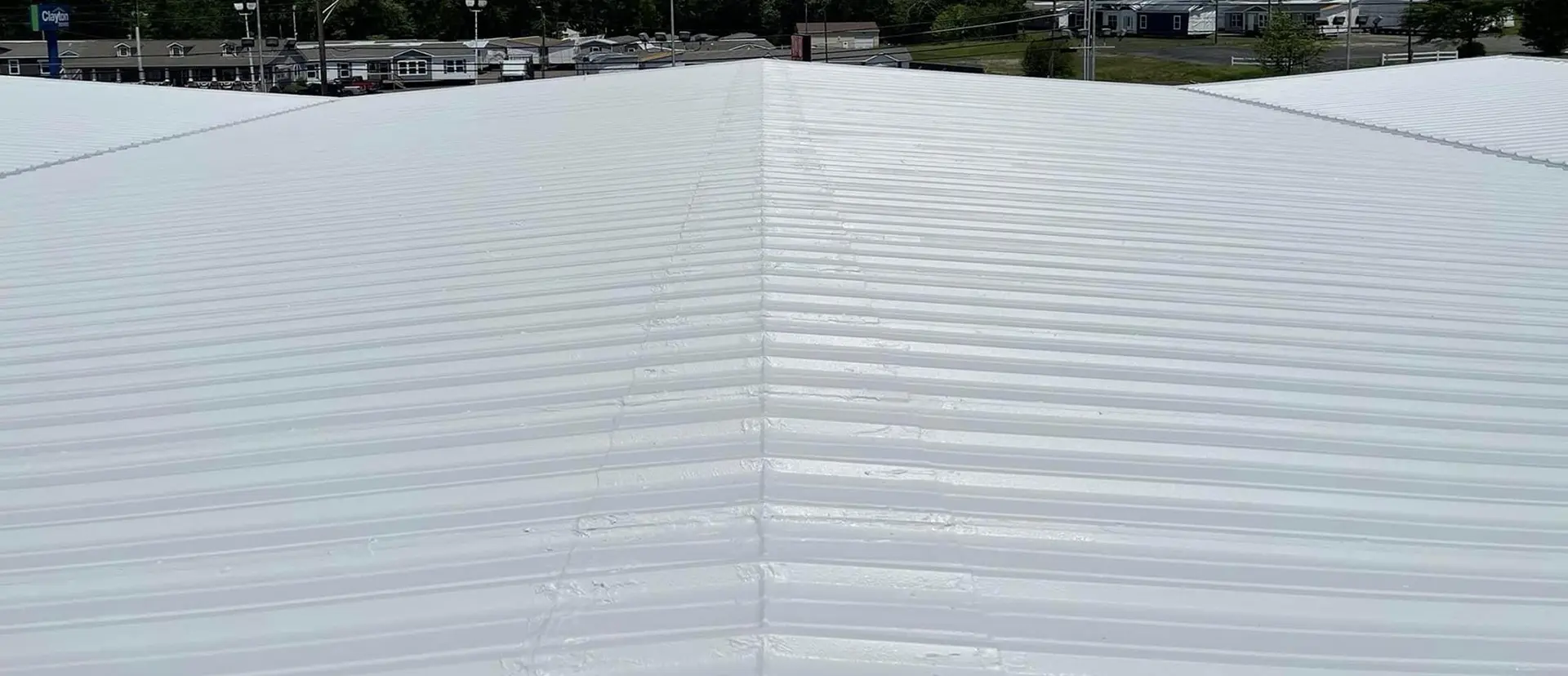

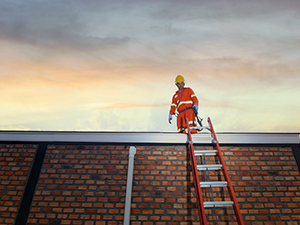
For commercial property owners in Minot, ND, roofing performance is constantly tested by some of the most extreme weather conditions in the region. Heavy snow, ice storms, strong winds, and rapid temperature swings all place significant stress on roofing systems throughout the year. Because of this, a commercial roof inspection becomes more than just routine maintenance, it becomes a critical evaluation influenced heavily by weather history and seasonal conditions.
Understanding how weather extremes affect inspection outcomes helps building owners interpret findings more accurately and make informed repair decisions. Hi-Line Commercial Roofing provides detailed inspection services designed to assess roof performance under North Dakota’s challenging climate conditions. To schedule a professional evaluation in Minot, ND, contact Hi-Line Commercial Roofing at 701-621-0511 today.
Why Weather Plays a Major Role in Commercial Roof Inspection
A commercial roof inspection is designed to evaluate the condition of a roofing system, but weather conditions can significantly influence both visible damage and hidden structural issues. In climates like Minot, ND, roofs experience stress that may not always be immediately visible during an inspection.
Seasonal Stress Accumulation
Each season contributes differently to roof wear:
- Winter adds heavy snow loads and ice formation
- Spring introduces melting cycles and moisture infiltration
- Summer heat causes material expansion and contraction
- Fall brings debris accumulation and drainage stress
These cycles gradually weaken roofing systems and directly affect what inspectors find during evaluations.
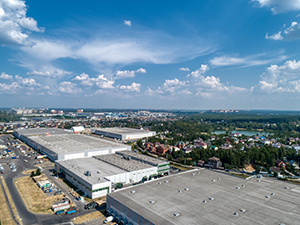
Delayed Damage Visibility
Some weather-related damage does not appear immediately. For example, small cracks caused by freezing temperatures may only become visible after repeated freeze-thaw cycles. This delay can make inspection results more complex to interpret.
How Extreme Cold Impacts Roof Inspection Findings
Minot winters are known for harsh conditions that significantly affect roofing materials. Cold temperatures play a major role in both damage formation and inspection accuracy.
Ice Expansion and Structural Stress
When water freezes on a roof, it expands. This expansion can widen seams, loosen fasteners, and create hidden fractures in roofing membranes. During a commercial roof inspection, these issues may appear as small surface defects but often indicate deeper structural concerns.
Snow Load Pressure
Heavy snow accumulation adds significant weight to commercial roofing systems. Over time, this pressure can cause slight structural sagging or stress points that inspectors must carefully evaluate.
Limited Access and Visibility
Snow and ice can sometimes restrict full roof access during inspections. In such cases, inspectors rely on partial evaluations or interior signs of damage such as ceiling stains or insulation moisture.
Cold weather conditions often require inspectors to interpret results with additional caution due to hidden or inaccessible damage.
How Heat and Summer Conditions Affect Commercial Roof Inspection Results
While winter is harsh, summer conditions also leave their mark on commercial roofs in Minot, ND. High temperatures can influence how damage is both formed and detected during inspections.
Thermal Expansion and Contraction
Roofing materials expand in heat and contract when temperatures drop. This constant movement can weaken seams, flashings, and membrane joints over time. During inspections, these stress points often appear as early signs of deterioration.
UV Radiation Damage
Prolonged sun exposure breaks down roofing materials, especially on flat or low-slope commercial roofs. UV damage may appear as cracking, fading, or surface brittleness.
Heat-Related False Indicators
In extreme heat, some roofing materials may temporarily soften or expand, making certain issues appear more severe than they are. Inspectors must distinguish between temporary heat effects and actual structural damage.
Wind, Storms, and Sudden Weather Events
Minot is also exposed to strong winds and sudden storms that can dramatically impact roof conditions.
Wind Uplift Damage
High winds can lift roofing membranes or loosen flashing systems. Even if the damage is not immediately visible, a commercial roof inspection may reveal subtle separation points that indicate wind stress.
Debris Impact
Storms often carry debris such as branches, gravel, or ice chunks that can puncture or scrape roofing surfaces. These impacts may create entry points for water infiltration.
Post-Storm Hidden Damage
Some storm-related damage is not visible from the surface. Moisture intrusion beneath membranes or insulation layers may only be detected during a detailed inspection process.
Weather events like these often require immediate post-storm evaluations to prevent long-term deterioration.
Why Weather History Matters in Inspection Reports
A high-quality commercial roof inspection does not only assess current conditions, but it also considers the roof’s exposure history. Understanding past weather events helps inspectors interpret damage patterns more accurately.
Identifying Repeated Stress Zones
Certain roof areas may show recurring damage due to wind direction, drainage issues, or sun exposure. Recognizing these patterns helps predict future vulnerabilities.
Differentiating Old vs. New Damage
Weather history helps inspectors determine whether damage is recent or part of a long-term deterioration process. This distinction is essential for repair planning.
Improving Maintenance Planning
By analyzing weather-related findings, building owners can create more effective maintenance strategies tailored to local climate conditions.
Commercial Roof Inspection Experts
Hi-Line Commercial Roofing provides detailed inspection services designed to evaluate roofing systems under real-world North Dakota weather conditions. To ensure your commercial roof is properly assessed and protected, contact Hi-Line Commercial Roofing at 701-621-0511 today.
FAQ
What does a commercial roof inspection include?
It includes evaluation of surface condition, drainage systems, flashing, structural integrity, and signs of water intrusion.
How does cold weather affect roof inspections?
Cold weather can hide or worsen damage such as cracks, ice expansion, and structural stress.
Can storm damage always be seen during inspections?
No, some storm-related issues like hidden moisture intrusion may require deeper inspection methods.
Why is weather history important in roof inspections?
It helps inspectors understand damage patterns and determine whether issues are new or long-term.