
For commercial property owners in Watford City, ND, selecting the right roofing system is a long-term business decision. The region’s demanding climate, combined with the industrial activity that supports the Bakken oil field, places significant stress on commercial roofs. EPDM roofing has remained a popular choice because of its durability, flexibility, and ability to perform through harsh seasonal changes. If you are evaluating roofing options for a warehouse, office, retail facility, or industrial building, Hi-Line Commercial Roofing can provide guidance. For more information about EPDM roofing solutions in Watford City, ND, call (701) 621-0511.
Why EPDM Roofing Performs Well in North Dakota Weather
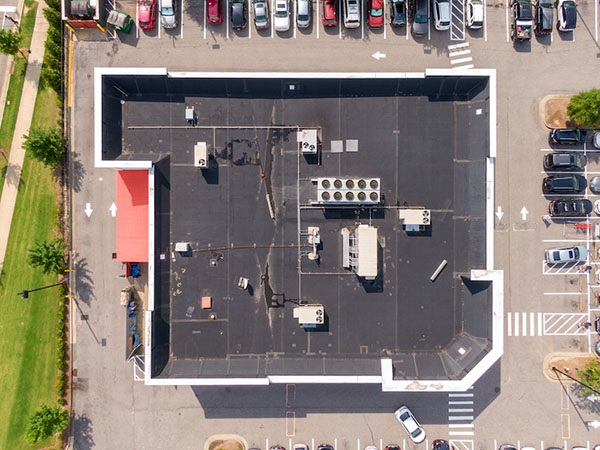
EPDM roofing, short for ethylene propylene diene monomer, is a synthetic rubber membrane commonly used on low-slope and flat commercial roofs. One of its greatest strengths is flexibility. In a climate like Watford City, where temperatures can swing dramatically between seasons, roofing materials must be able to expand and contract without cracking or losing performance.
During winter, commercial roofs are exposed to freeze-thaw cycles that can accelerate deterioration in less flexible materials. EPDM remains pliable in cold conditions, helping it resist damage caused by repeated temperature fluctuations. This flexibility also allows the membrane to accommodate minor building movement without creating stress points that can lead to leaks.
The material is also highly resistant to ultraviolet radiation. Long summer days and strong sun exposure gradually wear down many roofing systems, but EPDM is designed to withstand prolonged UV exposure. That resistance helps preserve the membrane and contributes to its reputation as a long-lasting commercial roofing option.
EPDM Roofing and Long-Term Service Life
Commercial building owners often focus on life-cycle cost rather than initial installation cost alone. EPDM roofing is frequently chosen because it can provide decades of reliable service when properly maintained. Many EPDM systems remain in service for 25 years or longer, depending on installation quality, maintenance practices, local weather conditions, and overall roof design.
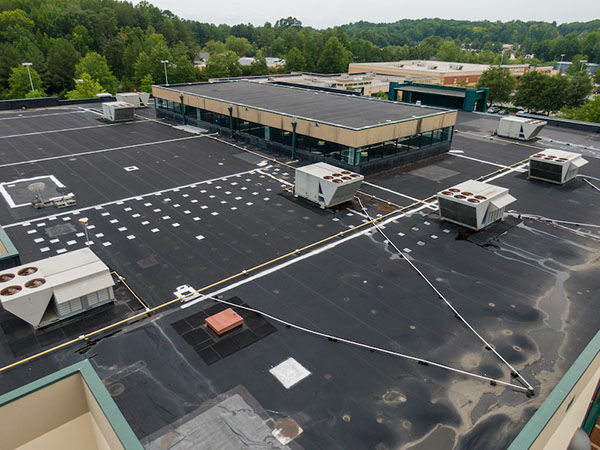
The condition of seams, flashing details, and rooftop penetrations play a major role in determining longevity. HVAC equipment, vents, and drainage components should be periodically evaluated to identify developing issues before they become larger problems.
Regular inspections can help extend the useful life of an EPDM roof by identifying punctures, loose seams, or drainage concerns early. Addressing minor repairs promptly is typically far less expensive than dealing with interior water damage, insulation replacement, or structural deterioration caused by prolonged moisture intrusion.
Another advantage is that aging EPDM roofs are not always candidates for complete replacement. In some situations, restoration or repair strategies may be appropriate if the underlying roof system remains in good condition. A professional evaluation can determine whether restoration, repair, or replacement offers the best value.
EPDM Roofing Compared to Other Commercial Roofing Systems
Commercial property owners frequently compare EPDM roofing to thermoplastic membranes such as TPO. While both systems are widely used on flat and low-slope buildings, they differ in several important ways.
One notable difference is seam construction. EPDM systems commonly use adhesive or specialized seam tape technology to join membrane sections. TPO systems typically use heat-welded seams. Both approaches can perform effectively when installed correctly, but they rely on different installation methods and maintenance considerations.
Reflectivity is another distinction. Traditional EPDM membranes are often black, which allows them to absorb solar heat. TPO membranes are commonly manufactured in lighter colors and may provide higher solar reflectance. Depending on building use, insulation design, and energy goals, either approach may be suitable.
In Watford City’s industrial and energy-focused market, roofing systems are expected to handle demanding environmental conditions while protecting valuable operations and equipment. EPDM continues to be a proven solution for many commercial properties because of its balance of durability, weather resistance, and long-term value.
Commercial roofing decisions affect operating costs, building protection, and future capital planning. For property owners seeking dependable roofing performance in Watford City, ND, EPDM roofing remains a practical option for many facility types. To learn more about available roofing solutions or discuss your building’s needs, contact Hi-Line Commercial Roofing at (701) 621-0511.
FAQ
Does EPDM roofing hold up in extremely cold weather?
Yes. EPDM roofing is widely recognized for maintaining flexibility in low temperatures. This characteristic helps the membrane resist cracking and damage associated with freeze-thaw cycles, making it a strong option for commercial buildings in northern climates.
How long does an EPDM roof typically last?
A properly installed and maintained EPDM roof can often last 25 years or more. Factors such as seam condition, UV exposure, drainage performance, maintenance history, and installation quality all influence service life.
What is the difference between EPDM and TPO roofing?
EPDM is a synthetic rubber membrane that typically uses adhered or taped seams, while TPO is a thermoplastic membrane with heat-welded seams. EPDM is known for flexibility in colder climates, while TPO is often selected for its reflective surface and energy-related benefits.
Can an existing EPDM roof be restored instead of replaced?
In some cases, yes. If the roof deck and insulation remain in good condition and moisture intrusion is limited, restoration or repair may be possible. A professional assessment is needed to determine whether restoration is a viable option.