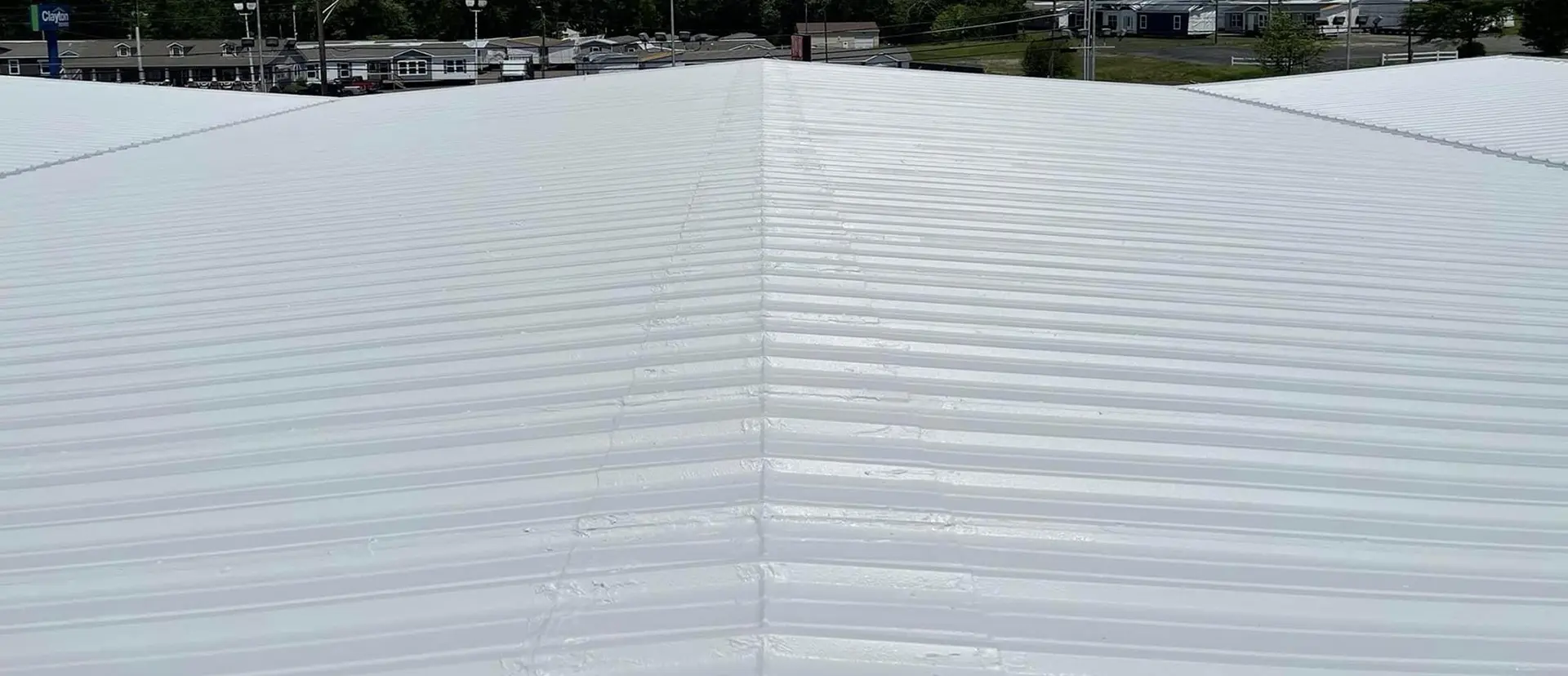

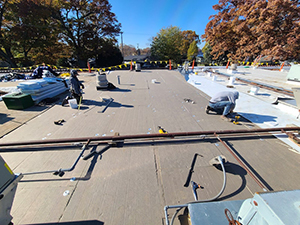
In Minot, ND, commercial property owners face some of the harshest roofing conditions in the country, from freezing winters and snow accumulation to strong winds and seasonal temperature swings. These environmental pressures make material performance a top priority when selecting a roofing system. Single-ply roofing has emerged as a leading solution because of its scientifically engineered durability and efficiency.
For expert guidance tailored to local conditions, commercial building owners can connect with Hi-Line Commercial Roofing at 701-621-0511, a trusted provider helping businesses protect their investments through modern roofing technology.
The Engineering Behind Single-Ply Roofing
Single-ply roofing refers to flexible membrane roofing systems manufactured in a single layer of synthetic material. Unlike traditional multi-layer roofs, these systems rely on advanced material science rather than bulk thickness for protection.
The durability of single-ply roofing comes from polymers specifically designed to withstand environmental stress. Common membrane types include thermoplastic systems and synthetic rubber-based materials, each engineered for flexibility, strength, and weather resistance.
At the molecular level, these membranes are reinforced with polyester or fiberglass scrim layers. This reinforcement distributes stress evenly across the surface, preventing tears or punctures caused by wind uplift, thermal expansion, or rooftop equipment movement.
Because the material remains flexible even in cold climates, it can expand and contract without cracking, a critical advantage in regions like Minot where temperatures fluctuate dramatically.
Another scientific advantage lies in seam technology. Heat-welded seams create bonds that are often stronger than the membrane itself, forming a continuous waterproof barrier that reduces leak risk compared to mechanically layered roofing systems.
Climate Resistance: Why Durability Matters in Northern Environments
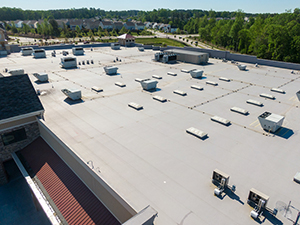
Commercial roofs in northern climates face unique durability challenges. Snow loads, freeze-thaw cycles, and ultraviolet exposure all contribute to long-term material fatigue.
Single-ply roofing performs exceptionally well under these conditions due to its elastic memory. The membrane can stretch during thermal expansion and return to its original shape once temperatures stabilize. This flexibility prevents structural stress that often causes cracking in rigid roofing systems.
UV resistance also plays a major role in durability. Many single-ply membranes are manufactured with reflective surfaces that reduce heat absorption. While Minot experiences long winters, summer UV exposure still accelerates aging in traditional roofs. Reflective membranes slow degradation by minimizing thermal stress.
Wind resistance is another scientific benefit. Properly installed single-ply systems can be mechanically fastened or fully adhered, allowing engineers to design installations that meet specific wind uplift ratings. This adaptability helps commercial buildings maintain roof integrity during storms common across North Dakota plains.
Additionally, single-ply roofing resists chemical exposure from industrial emissions, grease exhaust systems, and airborne contaminants, making it ideal for warehouses, manufacturing facilities, and retail properties.
Installation Science and Long-Term Performance
Durability is not determined by materials alone; installation methods significantly influence performance outcomes. Single-ply roofing systems are engineered for precision installation that maximizes longevity.
Surface preparation ensures proper adhesion and eliminates trapped moisture that could weaken performance over time. Once installed, the lightweight nature of single-ply membranes reduces structural stress on commercial buildings compared to heavier roofing assemblies.
Another scientific advantage is moisture management. Because the membrane forms a continuous barrier, water infiltration points are minimized. Advanced vapor control layers can also regulate condensation beneath the roof, protecting insulation and structural components.
Energy efficiency contributes indirectly to durability as well. Reflective single-ply surfaces help regulate rooftop temperatures, reducing thermal cycling stress. Less expansion and contraction translate into fewer structural strains over decades of use.
Maintenance efficiency further extends lifespan. Damage, if it occurs, can often be repaired through localized welding or patching rather than large-scale replacement. This repairability reduces downtime and preserves system integrity.
The Future of Durable Commercial Roofing Systems
As commercial building owners seek roofing solutions that combine resilience with operational efficiency, single-ply roofing continues to evolve through advancements in polymer chemistry and manufacturing technology.
Modern membranes now include enhanced puncture resistance, improved weathering performance, and stronger seam bonding techniques. These innovations allow roofs to withstand increasingly unpredictable weather patterns while maintaining consistent protection.
For commercial facilities, durability translates directly into financial stability. A roof that resists environmental stress reduces emergency repairs, protects interior assets, and supports uninterrupted business operations. The science behind single-ply roofing demonstrates that durability is no longer about adding layers, it is about smarter materials engineered for real-world performance.
Single-Ply Roofing Experts
In Minot, ND, where extreme weather demands dependable roofing solutions, understanding the science behind single-ply roofing helps commercial building owners make informed long-term decisions. Businesses seeking reliable installation and expert consultation can contact Hi-Line Commercial Roofing at 701-621-0511 to explore roofing systems designed for strength, efficiency, and lasting durability.
FAQ
What makes single-ply roofing durable compared to traditional systems?
Its reinforced polymer membrane, flexible structure, and heat-welded seams create a strong, continuous waterproof barrier.
Is single-ply roofing suitable for cold climates?
Yes. The membrane maintains flexibility in freezing temperatures, reducing cracking caused by thermal expansion and contraction.
Can single-ply roofing handle heavy commercial rooftop equipment?
When properly installed with reinforcement and walk pads, it performs well under mechanical stress and rooftop traffic.
Does single-ply roofing improve energy efficiency?
Many systems feature reflective surfaces that reduce heat absorption and lower cooling demands during warmer months.