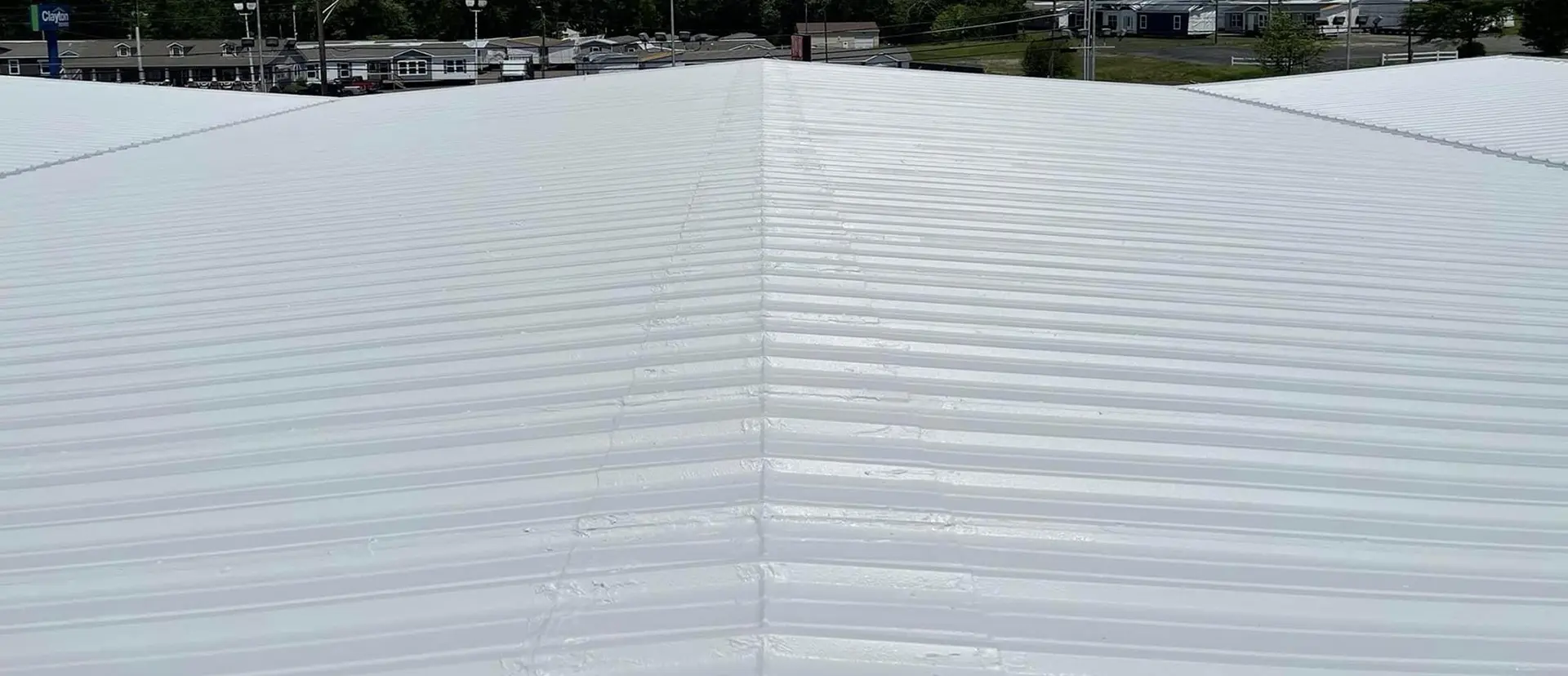

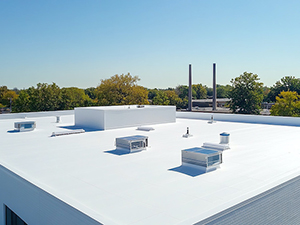
Single-ply roofing has become one of the most widely used commercial roofing systems for flat and low slope buildings. Known for its durability, flexibility, and energy efficiency, single-ply roofing offers excellent protection when installed correctly. However, the long-term performance of this roofing system depends heavily on the quality of the installation.
For commercial buildings in Rugby, North Dakota, collaborating with experienced contractors such as Hi-Line Commercial Roofing helps ensure that single-ply roofing systems are installed properly and built to withstand the region’s weather conditions. Contact us on (701) 621-0511 to learn more about our single-ply roofing solutions.
Impact of Installation on Single-Ply Roofing Systems
Single-ply roofing refers to flexible roofing membranes that are installed in a single layer across a commercial roof surface. These membranes are designed to provide waterproof protection while maintaining flexibility during temperature changes.
The most common types of single-ply roofing include:
- TPO (Thermoplastic Polyolefin)
- PVC (Polyvinyl Chloride)
- EPDM (Ethylene Propylene Diene Monomer)
Each system offers unique advantages, but they all rely on proper installation to perform effectively. Poor installation can lead to premature leaks, seam failures, and reduced lifespan.
Proper Roof Preparation
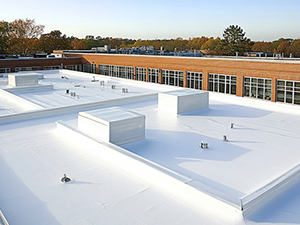
Professional installation begins with thorough preparation of the existing roof surface. Before the membrane is installed, roofing specialists inspect the structure to ensure the decking and insulation are in good condition.
Any damaged materials must be repaired or replaced to create a stable base for the new roofing system. If the roof surface is uneven or compromised, it can prevent the membrane from sealing correctly.
Contractors like Hi-Line Commercial Roofing in Rugby, North Dakota carefully evaluate roof conditions before beginning installation to ensure the system will perform as intended.
Correct Membrane Installation Techniques for Single-Ply Roofing
Single-ply roofing membranes can be installed using several methods, including mechanically fastened systems, fully adhered systems, and ballasted systems. The appropriate method depends on the building structure, wind exposure, and roof design.
Professional installers follow manufacturer guidelines to determine the correct attachment method. Proper alignment of the membrane sheets is essential for preventing wrinkles, gaps, and areas where water could accumulate.
Experienced roofing professionals also ensure that insulation layers are professionally installed beneath the membrane. This step improves both energy efficiency and overall roof stability.
Seam Welding and Waterproofing
One of the most critical parts of single-ply roofing installation is sealing the seams between membrane sheets. These seams create a waterproof barrier that protects the building from moisture intrusion.
For systems such as TPO and PVC, seams are heat welded to form a strong bond that resists water penetration. If seams are not welded correctly, they can weaken over time and allow leaks to develop.
Professional contractors use specialized equipment and testing techniques to confirm that seams are sealed properly. This mindfulness helps ensure that the roofing system provides reliable protection for many years.
Flashing and Roof Penetrations
Commercial roofs often contain numerous penetrations such as vents, HVAC systems, skylights, and drainage components. These areas require flashing materials to prevent water from entering the roofing system.
Improper flashing installation is one of the most common causes of roof leaks. Skilled roofing professionals take extra care to secure flashing materials around each penetration and ensure a watertight seal.
In areas like Rugby, North Dakota, where weather conditions can be extreme, proper flashing installation is essential for preventing wind driven rain and snow from entering the building.
Protection Against Harsh Weather
North Dakota experiences a wide range of weather conditions, including heavy snow, intense winds, and freezing temperatures. These conditions place significant stress on commercial roofing systems.
Professional installation ensures that the single-ply membrane is secured tightly and reinforced at vulnerable areas such as roof edges and corners. Proper installation techniques help the roof withstand high winds and seasonal temperature changes.
Companies like Hi-Line Commercial Roofing understand the local climate in Rugby and apply installation methods designed to maximize durability in challenging weather conditions.
Long Term Performance and Maintenance
When installed correctly, single-ply roofing systems can provide reliable protection for decades. However, the quality of the initial installation plays a significant role in determining how long the roof will last.
Professional contractors ensure that every component of the system is installed according to manufacturer specifications. This not only improves performance but also protects warranty coverage.
Routine inspections and maintenance can further extend the life of the roof by identifying small issues before they become major problems.
Single-Ply Roofing Specialists
For businesses in Rugby, North Dakota, Hi-Line Commercial Roofing provides professional installation services that help ensure single-ply roofing systems perform efficiently and withstand the demands of the local climate.
By partnering with experienced professionals, building owners can feel confident that their roofing investment will deliver long lasting protection and value. Call us at 701-621-0511!
FAQ
What makes single-ply roofing different from other commercial roofing systems?
Single-ply roofing uses flexible membranes installed in a single layer, providing lightweight waterproof protection with fewer material layers compared to traditional built up systems.
How long does a single-ply roofing system typically last?
Most single-ply roofing systems can last 20 to 30 years when installed correctly and maintained regularly.
Can single-ply roofing handle harsh winter weather?
Yes. When professionally installed, single-ply membranes are designed to remain flexible and durable in cold temperatures and heavy snow conditions.