
Commercial roofs play a vital role in protecting buildings from the elements while helping regulate indoor temperatures. Over time, even well-maintained roofs can develop issues that reduce energy efficiency, increase utility costs, and affect overall building performance. Conducting regular commercial roof inspection is an essential step for identifying and addressing problems early. Businesses in Rugby, ND rely on experienced contractors like Hi-Line Commercial Roofing (701) 621-0511 to inspect roofs and maintain energy-efficient performance.
Commercial Roof Inspection: Supporting Energy Efficiency
A commercial roof inspection goes beyond checking for leaks and structural damage. Inspectors assess areas that can impact energy performance, including insulation, reflective coatings, and roofing material integrity. Small issues that go unnoticed can lead to heat loss in winter, heat gain in summer, and higher energy bills.
Regular inspections allow building owners to identify damaged insulation, degraded coatings, and gaps in seams or flashings. Addressing these issues improves thermal efficiency, reduces the workload on heating and cooling systems, and lowers energy consumption.
Identifying Insulation Problems
Insulation beneath the roofing system is critical for maintaining a consistent indoor temperature. Over time, moisture infiltration, roof damage, or material degradation can reduce the effectiveness of insulation.
During a commercial roof inspection, contractors check for wet or compressed insulation and areas where thermal performance may be compromised. By repairing or replacing damaged insulation, property managers can restore energy efficiency and maintain comfortable indoor conditions.
Evaluating Reflective and Cool Roof Coatings
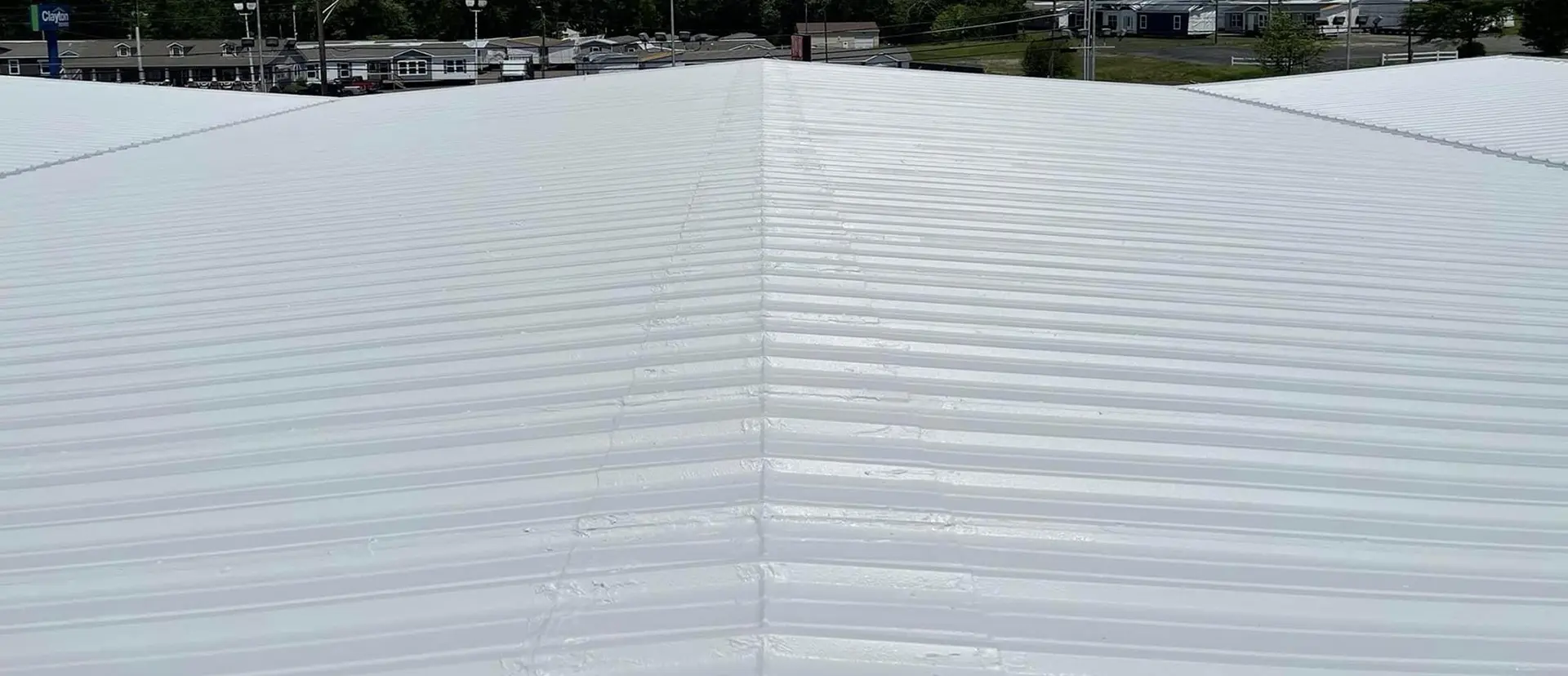
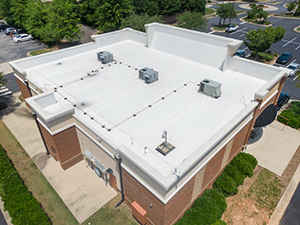
Many commercial roofs feature reflective coatings designed to reduce solar heat absorption. These coatings, often called “cool roof” coatings, can fade, crack, or peel over time.
Inspectors assess the condition of the roof surface and coatings to determine whether recoating is necessary. Reapplying a reflective coating can lower roof surface temperatures, improve energy efficiency, and extend the lifespan of the roofing system.
Inspecting Seams, Flashings, and Penetrations
Seams, flashings, and roof penetrations such as HVAC units or vents are communal areas where energy loss can occur. Gaps or leaks in these areas allow conditioned air to escape and reduce energy efficiency.
During a commercial roof inspection, contractors check for loose flashings, separated seams, and poorly sealed penetrations. Repairing or resealing these areas not only prevents leaks but also maintains proper thermal performance.
The Impact on Utility Costs and Sustainability
Energy-efficient roofs contribute to lower utility bills and support environmentally responsible building practices. By identifying and addressing energy loss during roof inspections, property managers can reduce heating and cooling costs while minimizing their building’s carbon footprint.
Commercial roof inspections are a cost-effective strategy that helps protect the building, improve energy efficiency, and extend roof life. Partnering with experienced contractors ensures that inspections are thorough, accurate, and aligned with best practices for energy savings.
Commercial Roof Inspection and Performance
A well-maintained commercial roof system not only boosts energy efficiency but also enhances the overall performance of the building. By ensuring insulation, coatings, and penetrations are properly inspected and maintained, property managers can achieve optimal indoor comfort, prevent costly repairs, and increase the longevity of the roof. This holistic approach contributes to a safer, more reliable environment for occupants and supports the long-term value of the property.
Thorough Commercial Roof Inspection
A professional commercial roof inspection includes recommendations for preventative maintenance. This may include repairing minor damage, applying coatings, or improving drainage systems. Preventative maintenance protects the roof from further deterioration, reduces energy waste, and can delay costly replacements.
Building owners in Rugby, ND benefit from working with Hi-Line Commercial Roofing (701) 621-0511, which offers comprehensive inspection services focused on energy efficiency. Their expertise ensures that potential problems are detected early and corrected efficiently.
FAQ
How often should commercial roof inspections include energy efficiency assessments?
It is recommended to conduct inspections at least twice a year and after major weather events to ensure the roof maintains thermal performance.
Can a damaged roof coating affect my building’s energy bills?
Yes. Faded or cracked coatings reduce reflectivity, allowing more heat to enter the building and increasing cooling costs.
Do commercial roof inspections help identify hidden insulation problems?
Absolutely. Inspectors can detect wet or compressed insulation, which affects thermal efficiency and energy performance.